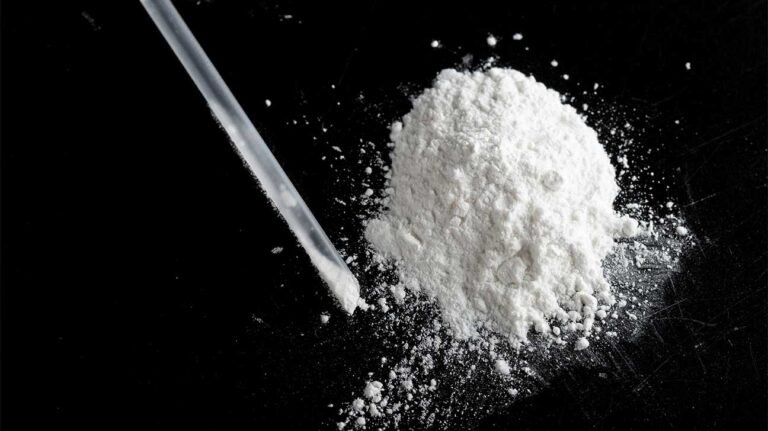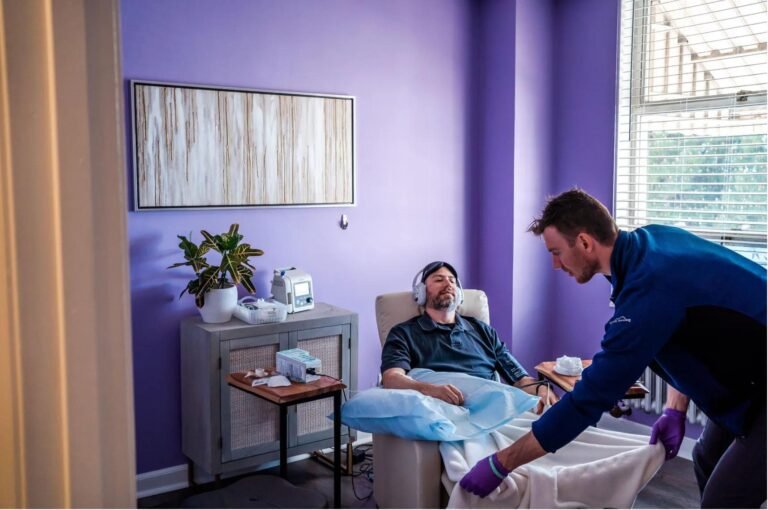

A ketamine retreat is an emerging concept for people interested in combining ketamine-assisted treatment with a structured, supportive environment. Unlike a conventional wellness retreat, a medically responsible ketamine program should place patient screening, professional supervision, appropriate medication management, and follow-up care at the center of treatment.
Ketamine has attracted significant attention because of its potential role in treating certain difficult-to-treat conditions, particularly treatment-resistant depression. However, ketamine is not appropriate for everyone, and the legal status, approved uses, treatment protocols, and availability can differ between countries.
If you are researching a ketamine retreat, it is important to understand what these programs involve, how ketamine therapy works, what questions to ask a provider, and how to distinguish legitimate medical treatment from unverified online claims.
What Is a Ketamine Retreat?
A ketamine retreat generally refers to a structured program where participants receive ketamine-related treatment alongside supportive activities such as therapy, counseling, mindfulness, relaxation, wellness activities, or integration sessions.
The exact format varies considerably. Some programs may focus primarily on clinical ketamine treatment, while others combine treatment with psychotherapy and wellness services.
However, the word “retreat” should not automatically imply medical quality.
A responsible program should have appropriate medical screening and qualified healthcare professionals involved in treatment decisions. Ketamine can cause sedation, dissociation, changes in blood pressure, dizziness, nausea, and temporary changes in perception. The FDA specifically highlights the importance of monitoring patients receiving esketamine because of risks including sedation and dissociation.
Therefore, people considering a ketamine retreat should investigate the medical credentials, treatment protocols, medication sourcing, emergency procedures, and follow-up arrangements before making a decision.
How Does Ketamine Therapy Work?
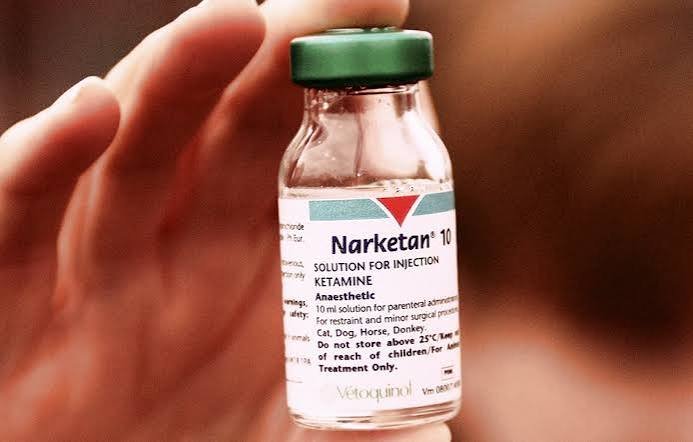
Ketamine is an anesthetic medication that affects the brain’s glutamate system, including NMDA receptors. Researchers have investigated its potential effects on depression and other conditions because its mechanism differs from many conventional antidepressants.
One important distinction is between ketamine and esketamine.
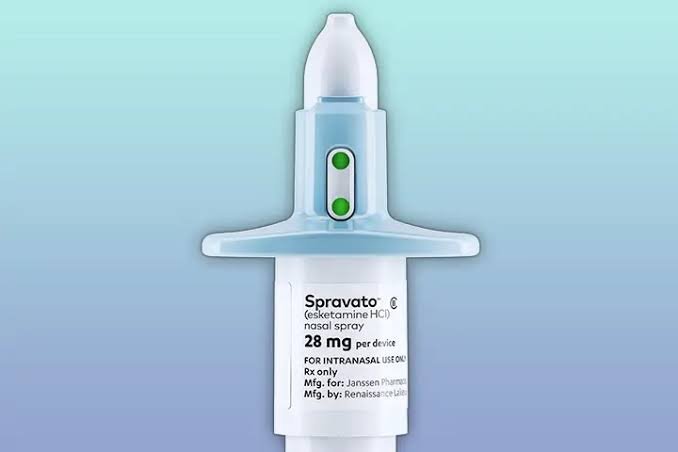
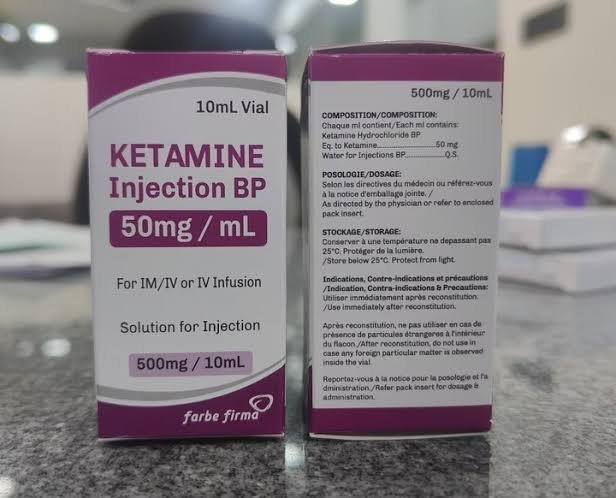
In the United States, ketamine itself is FDA-approved as an anesthetic. It is not FDA-approved as a psychiatric treatment. Esketamine, marketed as Spravato, has specific FDA-approved psychiatric indications, including treatment-resistant depression in adults.
Some clinicians may use ketamine off-label in appropriate circumstances. Patients should ask their provider whether the proposed treatment is FDA-approved, off-label, compounded, or experimental.
Understanding this distinction can help you make a more informed decision when comparing ketamine treatment options.
Who May Consider a Ketamine Retreat?
A person considering a ketamine retreat should first undergo an appropriate medical and psychological evaluation.
Ketamine therapy may be discussed for people who have not obtained adequate improvement from conventional treatments, particularly in treatment-resistant depression. However, having depression, anxiety, PTSD, or chronic pain does not automatically mean that ketamine is appropriate.
A healthcare professional may review:
- Your diagnosis and symptoms
- Previous medications
- Previous psychotherapy
- Current medications and supplements
- Cardiovascular and blood-pressure history
- Previous reactions to medications
- Psychiatric history
- Substance-use history
- Treatment goals
- Potential contraindications
- Available follow-up support
This assessment helps determine whether ketamine treatment makes clinical sense for an individual.
Ketamine Retreat vs. Traditional Ketamine Therapy
A traditional ketamine treatment program generally focuses on the medical administration of ketamine and monitoring.
A retreat may add additional services, such as:
- Individual therapy
- Group discussions
- Mindfulness activities
- Meditation
- Relaxation sessions
- Wellness activities
- Integration support
- Structured post-treatment planning
The additional services can make a retreat attractive to people who want a more comprehensive experience.
However, these additional activities should complement rather than replace appropriate medical care.
A retreat should never encourage participants to take ketamine without appropriate professional assessment or monitoring.
What Happens During Ketamine Therapy?
The experience depends on the formulation, route of administration, treatment setting, and individual treatment plan.
Patients may experience temporary:
- Drowsiness
- Dizziness
- Altered perception
- Dissociation
- Nausea
- Changes in blood pressure
- Changes in coordination
- Feelings of unreality or dreamlike awareness
Because ketamine can affect judgment and coordination, patients should follow their healthcare provider’s instructions regarding transportation, driving, alcohol, medications, and activities after treatment.
For esketamine, the FDA requires administration through a restricted program with monitoring after treatment because of potential sedation and dissociation.
Is a Ketamine Retreat Safe?
Safety depends heavily on how the program operates.
A legitimate clinical program should have procedures for patient screening, medication administration, monitoring, adverse reactions, emergency situations, and follow-up.
The FDA has specifically warned about risks associated with compounded ketamine products used for psychiatric purposes, including the possibility of sedation, dissociation, and changes in vital signs when patients do not receive appropriate medical monitoring.
This is why consumers should be cautious about retreats that make exaggerated claims such as “guaranteed healing,” “instant depression cure,” or “risk-free psychedelic therapy.”
A reputable provider should explain both potential benefits and potential risks.
How to Choose the Best Ketamine Retreat
Searching for the best ketamine retreat can produce many different results. Instead of choosing a program based solely on location, price, testimonials, or marketing language, evaluate its medical standards.
Consider asking:
1. Is there a medical evaluation?
You should receive an appropriate assessment before treatment.
2. Who administers the medication?
Ask about the qualifications and licensing of the healthcare professionals responsible for treatment.
3. What type of ketamine or esketamine is used?
Different formulations have different regulatory statuses and clinical considerations.
4. How are patients monitored?
Ask whether vital signs, sedation, and other relevant effects are monitored during treatment.
5. What happens in an emergency?
A professional program should have clear procedures for medical complications.
6. Is follow-up care available?
Ketamine treatment should not necessarily end when the session finishes. Follow-up can help assess response, side effects, and future treatment decisions.
7. Does the provider explain approved versus off-label treatment?
This is particularly important when researching ketamine for depression, anxiety, PTSD, or chronic pain.
Ketamine Retreats for Depression
Ketamine for depression has become one of the most popular areas of interest surrounding ketamine treatment.
Research has generated interest in ketamine’s relatively rapid effects on depressive symptoms, particularly among people with treatment-resistant depression.
However, ketamine is not a guaranteed cure for depression.
Treatment decisions should consider previous treatment response, diagnosis, medical history, current medications, and individual risk factors.
Esketamine has a specific FDA-approved role for treatment-resistant depression, while traditional ketamine itself does not have FDA approval for psychiatric treatment.
Patients should therefore ask exactly what treatment a retreat is offering and under what regulatory framework.
Ketamine Retreats and Ketamine-Assisted Psychotherapy
Some programs combine ketamine treatment with psychotherapy, an approach commonly referred to as ketamine-assisted psychotherapy (KAP).
The concept involves using the treatment experience alongside therapeutic support and subsequent integration.
However, protocols vary between providers. Patients should ask whether psychotherapy is actually provided by qualified professionals and whether the program has a structured integration process.
Medication should not be presented as a replacement for comprehensive mental healthcare.
What About Pharmaceutical-Grade Ketamine?
People searching for a ketamine retreat may also encounter the phrase pharmaceutical-grade ketamine.
This terminology requires caution.
“Pharmaceutical-grade” does not automatically mean that a product is FDA-approved for a particular use, legally available without a prescription, or appropriate for self-administration.
The FDA has recently taken enforcement action against websites marketing unapproved or misbranded ketamine products and has warned consumers about the risks associated with obtaining prescription medicines from unsafe online sources.
For this reason, patients should obtain prescription medications through legitimate healthcare professionals and pharmacies and use them exactly as prescribed.
If you are researching pharmaceutical ketamine, treatment options, or ketamine-assisted care, TheKetamineTherapyClinic.com provides educational information about IV ketamine therapy, Spravato, ketamine-assisted psychotherapy, and other treatment approaches.
Before obtaining or using any prescription ketamine product, verify the provider’s credentials, prescription process, pharmacy arrangements, and compliance with applicable regulations.
Exploring Ketamine Treatment With TheKetamineTherapyClinic.com
If you are considering a ketamine retreat, one useful starting point is to educate yourself before choosing a provider.
TheKetamineTherapyClinic.com offers information about different ketamine treatment approaches, including IV ketamine therapy, Spravato/esketamine, ketamine-assisted psychotherapy, and prescription-related treatment information.
The website also provides educational resources covering questions such as who may be a suitable candidate for ketamine therapy, how to prepare for a ketamine session, and how different ketamine formulations compare.
Rather than choosing ketamine based solely on an online product listing, patients should use professional evaluation to determine which treatment option, if any, is appropriate.
Benefits of a Well-Structured Ketamine Retreat
A carefully designed program may offer several advantages:
- A structured treatment environment
- Professional medical screening
- Access to mental health support
- Education about ketamine therapy
- Preparation before treatment
- Integration after treatment
- Opportunities to discuss treatment goals
- Ongoing follow-up
However, these benefits depend on the quality and credentials of the program.
A retreat should complement appropriate medical care rather than replace it.
What Should You Avoid?
Be especially cautious about programs that:
- Guarantee a cure
- Offer ketamine without medical screening
- Encourage recreational use
- Sell prescription medication without appropriate requirements
- Hide the identity of their healthcare professionals
- Refuse to explain medication sourcing
- Do not provide emergency procedures
- Discourage conventional medical treatment
- Make unsupported claims about treating every psychiatric condition
The FDA recommends caution with unsafe online pharmacies and emphasizes obtaining prescription medications through legitimate channels.
Frequently Asked Questions About Ketamine Retreats
What is a ketamine retreat?
A ketamine retreat is a structured program that may combine medically supervised ketamine treatment with therapy, wellness activities, preparation, and integration support. Programs differ significantly, so patients should carefully evaluate the provider.
Are ketamine retreats legal?
The legality of a ketamine retreat depends on the country, state or jurisdiction, healthcare provider, medication, treatment purpose, and applicable regulations. Always verify the local legal and medical requirements before booking treatment.
How much does a ketamine retreat cost?
The ketamine retreat cost varies widely depending on location, treatment type, accommodation, medical services, psychotherapy, length of stay, and additional wellness services. Patients should request a complete cost breakdown before booking.
Is ketamine therapy safe?
Ketamine can cause side effects including sedation, dissociation, dizziness, nausea, and changes in blood pressure. Appropriate screening and professional monitoring are important for reducing risks.
Can ketamine help with depression?
Ketamine has attracted substantial interest for treatment-resistant depression. Esketamine has specific FDA-approved indications, while ketamine itself is not FDA-approved as a psychiatric treatment in the United States.
What is ketamine-assisted psychotherapy?
Ketamine-assisted psychotherapy combines ketamine treatment with psychotherapy or therapeutic support. The exact protocol varies between providers and should involve appropriately qualified professionals.
Can you do ketamine therapy at home?
Some clinicians may prescribe certain ketamine formulations for use outside a clinic in jurisdictions where permitted. However, patients should not self-administer ketamine obtained from unverified sources. A qualified healthcare professional should determine whether at-home treatment is appropriate.
Is Spravato the same as ketamine?
No. Spravato contains esketamine, one of ketamine’s enantiomers, and has specific FDA-approved psychiatric indications. Traditional ketamine and esketamine also have different regulatory requirements.
How long does ketamine therapy take?
Treatment duration depends on the formulation, route of administration, clinical protocol, and individual response. Some programs involve multiple sessions rather than one treatment.
What should I look for in a ketamine retreat?
Look for qualified healthcare professionals, proper medical screening, appropriate monitoring, transparent pricing, legitimate medication sourcing, emergency procedures, clear treatment information, and follow-up care.
Where can I learn more about ketamine treatment options?
You can explore educational resources and treatment information at TheKetamineTherapyClinic.com. The site provides information about IV ketamine therapy, Spravato, ketamine-assisted psychotherapy, and other ketamine-related treatment options.
Final Thoughts
A ketamine retreat can sound appealing to people looking for an immersive approach to mental health treatment, but the quality of the medical program matters more than the retreat experience itself.
Ketamine is a powerful prescription medication with legitimate medical applications, but it also carries important risks. Patients should never assume that a retreat is safe simply because it uses medical terminology or describes its medication as pharmaceutical-grade.
Before starting treatment, obtain an appropriate medical evaluation, understand whether the proposed use is FDA-approved or off-label, ask about monitoring, verify medication sourcing, and make sure appropriate follow-up care is available.
If you are researching ketamine treatment, TheKetamineTherapyClinic.com can be a useful educational starting point for exploring IV ketamine therapy, Spravato, ketamine-assisted psychotherapy, and related treatment options.
The most important goal is not simply finding ketamine. It is finding an appropriate, professionally supervised treatment plan that prioritizes patient safety, informed consent, and evidence-based care.
Medical Disclaimer: This article is for educational purposes only and does not constitute medical advice. Ketamine and esketamine are prescription medications and should be used only under the direction of an appropriately qualified healthcare professional. Treatment availability and regulations vary by location.