A New Option for Treatment-Resistant Depression
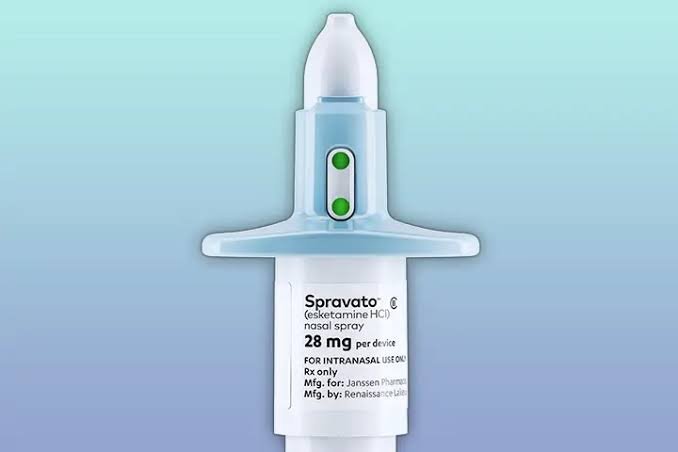
For people living with depression, finding an effective treatment can sometimes feel like an exhausting journey. Standard antidepressants can be helpful for many patients, but some continue to experience significant symptoms despite trying multiple treatments. This is where Spravato (esketamine) nasal spray has attracted attention as an important development in modern depression care.
Spravato is an FDA-approved prescription medicine used, alongside an oral antidepressant, for treatment-resistant depression (TRD) in adults. It is also approved for depressive symptoms in adults with major depressive disorder accompanied by acute suicidal ideation or behavior.
Unlike conventional antidepressants that primarily work through serotonin, norepinephrine, or dopamine pathways, esketamine acts as an NMDA receptor antagonist. This different mechanism is one reason researchers and clinicians have taken considerable interest in esketamine treatment.
How Does Spravato Work?
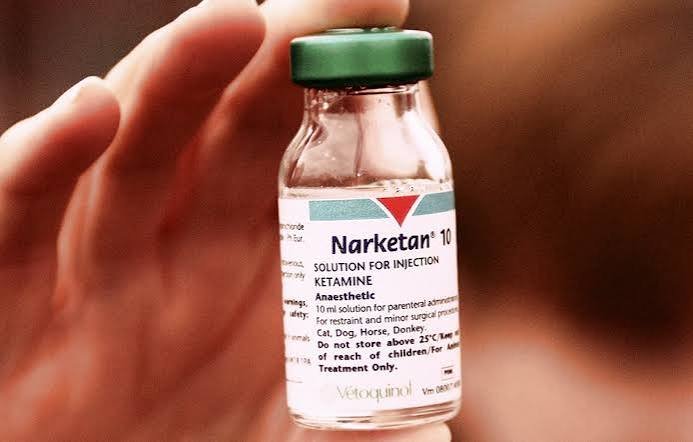
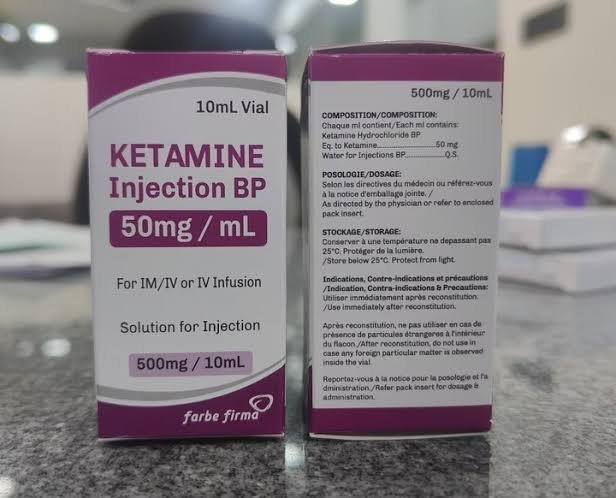
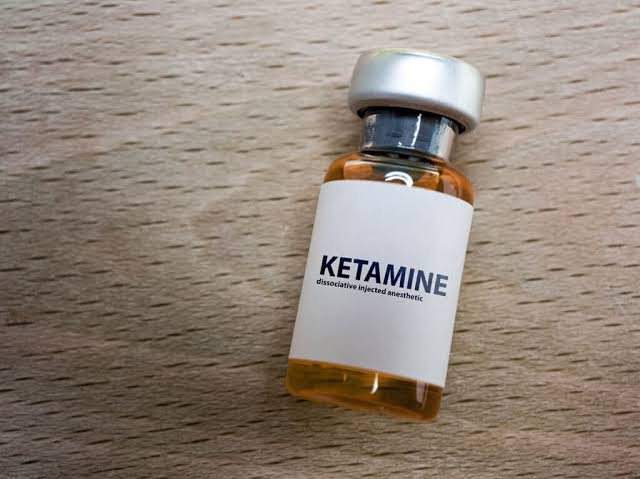
Spravato contains esketamine, a form of ketamine administered as a nasal spray. Its action on the brain’s glutamate system distinguishes it from many traditional antidepressant medications.
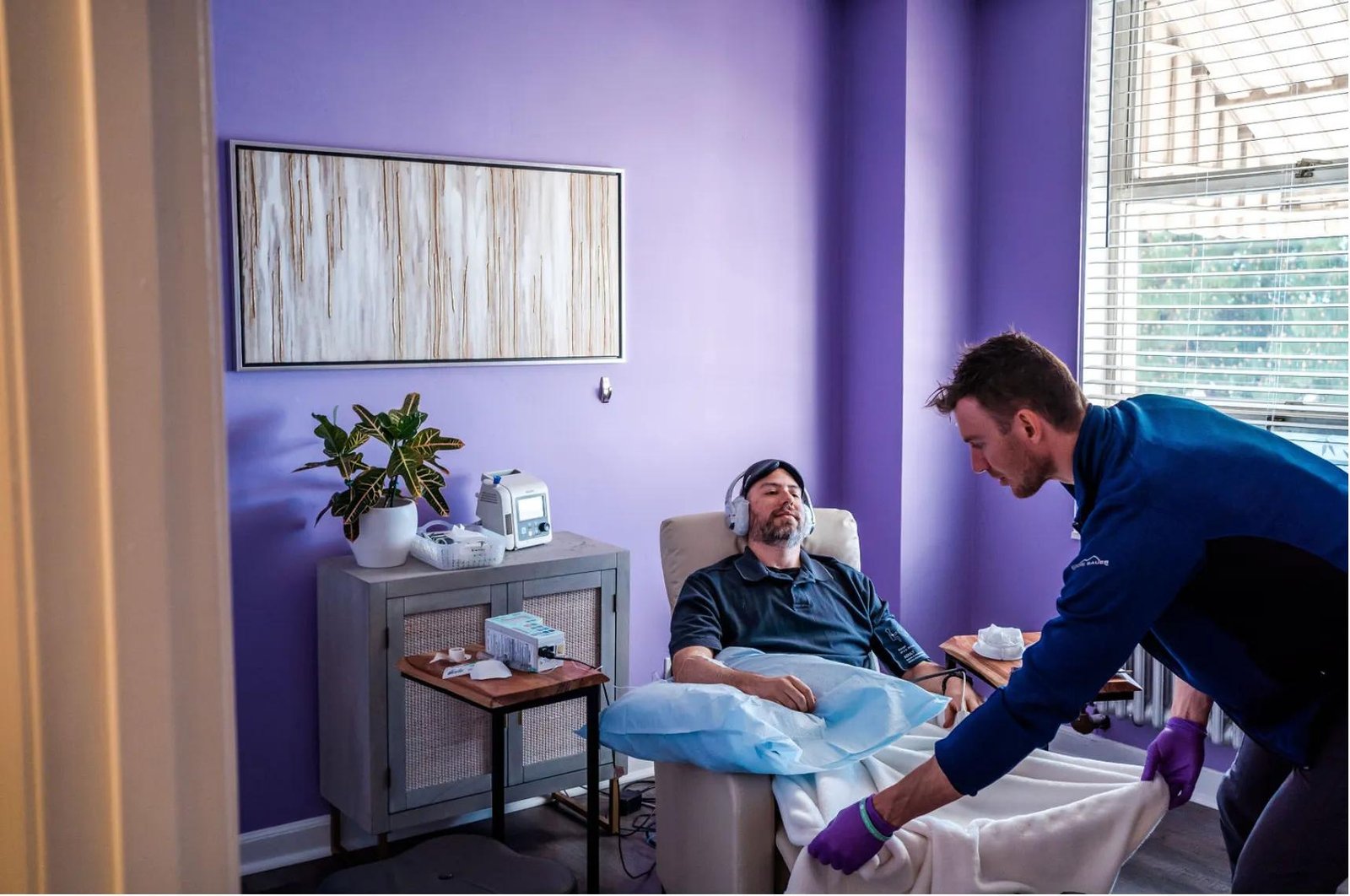
The treatment is not designed as a simple at-home nasal spray. Spravato must be administered under healthcare-provider supervision, with patients monitored after treatment because of potential effects such as sedation, dissociation, increased blood pressure, and respiratory depression.
This supervised approach is a central part of Spravato’s safety framework.
Why Is Spravato Considered Different?
One of the most significant features of esketamine for depression is its distinct pharmacological approach. For adults whose depression has not responded adequately to other treatments, having another evidence-based option can be clinically meaningful.
However, Spravato is not a universal replacement for conventional antidepressants or psychotherapy. FDA information specifies that it is used in conjunction with an oral antidepressant for its approved depression indications.
What Happens During Treatment?
Spravato treatment takes place in an appropriate healthcare setting rather than being dispensed for unsupervised home administration. Patients are assessed before treatment and observed afterward.
The FDA requires monitoring for at least two hours following administration because of the possibility of sedation and dissociation. Spravato is also available through the SPRAVATO REMS, a restricted safety program designed to manage these risks.
Is Spravato Right for Everyone?
No. Spravato has important contraindications, warnings, and precautions, and treatment decisions should be made with a qualified healthcare professional.
It is particularly important to understand that Spravato carries a boxed warning concerning sedation, dissociation, respiratory depression, and abuse and misuse. Patients should therefore discuss their medical history, current medications, cardiovascular risks, and other relevant factors with their healthcare provider before treatment.
The Future of Depression Treatment
The growing interest in Spravato, esketamine therapy, and treatment-resistant depression reflects a broader shift toward developing therapies that work through different biological pathways. For appropriate patients, Spravato represents another medically supervised option when conventional approaches have not provided sufficient relief.
If you or someone you know is struggling with persistent depression, speak with a qualified mental-health professional about available treatment options. Spravato should be considered as part of an individualized treatment plan—not as a guaranteed or instant cure.
Important: This article is for educational purposes and does not replace medical advice, diagnosis, or treatment. Spravato is a prescription medicine and should only be used under appropriate professional supervision.