Depression rarely follows a script, and neither does recovery from it. For many people in the DC area, standard antidepressants and talk therapy simply haven’t moved the needle, even after months or years of trying. That’s precisely the gap Spravato was designed to fill, and it’s why more patients across Washington DC, Maryland, and Northern Virginia are now asking their providers about it by name.
This guide breaks down what Spravato therapy in Washington actually involves, how it differs from IV ketamine, what it costs, and whether your insurance is likely to help cover it. By the end, you should have a clear sense of whether it’s worth bringing up at your next appointment.
What Is Spravato, Exactly?
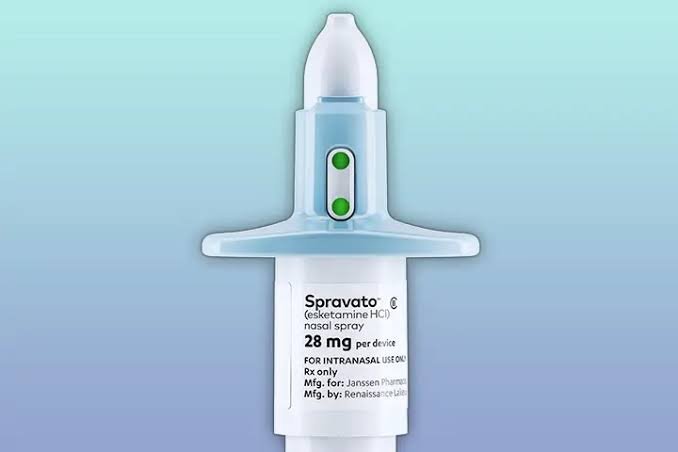
Spravato is the brand name for esketamine, a nasal spray formulation that was approved by the FDA in 2019 specifically for treatment-resistant depression (TRD), and later expanded to include major depressive disorder with suicidal ideation. While esketamine is chemically related to ketamine, it isn’t identical to it; esketamine is a single molecule isolated from the ketamine compound, refined and standardized for psychiatric use.
Because it carries formal FDA approval, Spravato occupies a different regulatory category than off-label IV ketamine. This distinction matters more than it might seem, since it directly shapes how insurance companies, pharmacies, and clinics in Washington DC are permitted to handle it.
How Spravato Works in the Brain
Like ketamine, esketamine acts on NMDA receptors in the glutamate system rather than the serotonin pathways targeted by SSRIs. This produces a different mechanism of relief: instead of gradually adjusting neurotransmitter levels over weeks, esketamine triggers a rapid burst of synaptic growth, which is believed to disrupt the entrenched neural patterns that sustain chronic depression. Clinical trials have shown that many patients notice improvement within days rather than the four-to-six-week window typical of conventional antidepressants.
Spravato vs. IV Ketamine: Which One Is Right for You?
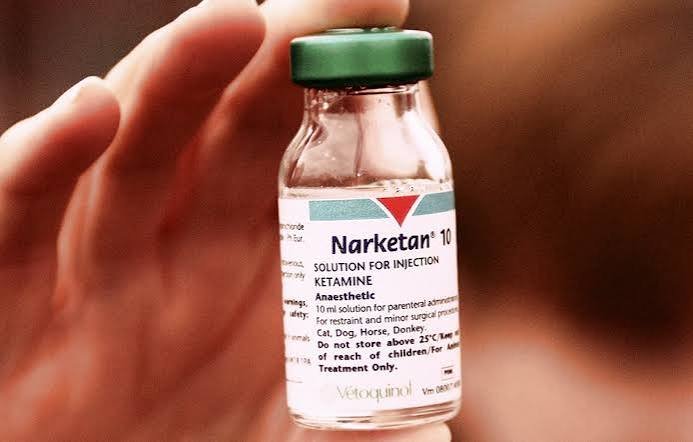
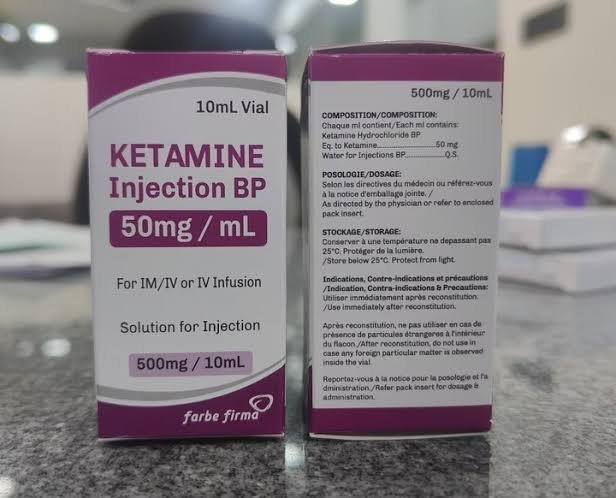
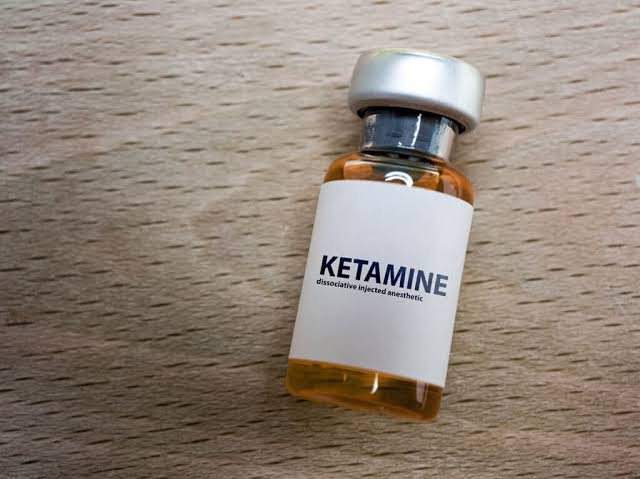
Patients researching Spravato treatment in Washington DC often discover IV ketamine in the same search, and understandably so, since both are esketamine-related and both treat similar conditions. The two approaches diverge, however, in administration, regulatory status, and cost structure.
- Administration: delivered through a nasal spray under direct clinical supervision, while IV ketamine is administered intravenously through a drip.
- Regulatory Status: approved by the FDA for treatment-resistant depression, whereas IV ketamine is used off-label, despite a substantial body of supporting research.
- Insurance Coverage: more frequently reimbursed by insurance plans, while IV ketamine is usually a self-pay treatment unless a clinic offers reimbursement support.
- Treatment Schedule: twice weekly for the first month before tapering, whereas IV ketamine typically follows a six-session series over two to three weeks.
Neither option is universally superior; the right choice depends on your diagnosis, your insurance situation, and how your psychiatric team weighs the evidence for your specific case. Many Washington DC clinics, including ours, offer both, so patients can be matched to the format best suited to their needs rather than forced into a one-size-fits-all protocol.
Who Qualifies for Spravato Therapy in Washington DC?
Spravato isn’t dispensed casually. Because it’s classified as a controlled substance with dissociative effects, it’s only available through a restricted distribution program known as a REMS (Risk Evaluation and Mitigation Strategy), and it must be administered in a certified healthcare setting under direct observation.
Candidates are generally adults who have already tried at least two antidepressant medications without adequate relief, a criterion clinicians use to define treatment-resistant depression. Some patients are also approved when active suicidal ideation is present alongside a depressive episode, since Spravato has a specific FDA indication for that presentation as well.
Watch out for Ketamine Infusion Therapy In Washington DC
~A thorough psychiatric evaluation is required before any patient is approved for Spravato. This isn’t a bureaucratic formality; it’s what keeps the treatment safe and ensures it’s matched correctly to your diagnosis.
Conditions Often Addressed Alongside Spravato Therapy
- Treatment-resistant depression
- Major depressive disorder with suicidal ideation
- Co-occurring anxiety disorders
- PTSD, when treated as part of an integrated psychiatric plan
- Chronic, persistent low mood that hasn’t responded to multiple medication trials
What Happens During a Spravato Session?
Each Spravato session unfolds in three stages, all of which take place on-site at a certified clinic. First, the nasal spray is self-administered under the direct supervision of a healthcare provider, who confirms proper technique and dosage. Next comes a mandatory observation period, since dissociative effects and changes in blood pressure can occur and need to be monitored closely. Finally, once vital signs have stabilized and the patient feels ready, they’re cleared for discharge into the care of a pre-arranged driver.
From start to finish, the appointment generally takes about two hours, even though the active dosing portion is brief. Patients are advised not to eat heavily beforehand, and driving is strictly prohibited for the remainder of the day, both during the induction phase and beyond.
The Treatment Timeline
- Induction Phase: twice-weekly sessions for the first four weeks, while the medication builds therapeutic momentum.
- Maintenance Phase (Weeks 5–9): sessions are reduced to weekly visits as response is reassessed.
- Continuation Phase (Week 10 Onward): dosing tapers to every one to two weeks, guided by how well symptoms remain controlled.
Spravato Therapy in Washington DC; Cost and Insurance Coverage
Cost is often the first question patients ask, and it’s also the area where Spravato has a genuine advantage over off-label alternatives. Because Spravato holds FDA approval, many major insurance plans, including Medicare in qualifying cases, provide at least partial coverage. That said, coverage varies significantly by plan, by diagnosis code, and by whether prior authorization has been secured.
Out-of-pocket costs, where they apply, typically cover the clinical observation fee rather than the medication itself, since the drug cost is frequently billed separately through the insurance pathway. Rather than quoting figures that shift depending on your specific plan and clinic protocol, we recommend reaching out directly so our team can walk you through what coverage would look like for your situation.
~Curious what your treatment would actually cost? Visit our Spravato Esketamine treatment page or contact us for a personalized coverage check — we’re happy to verify your benefits before you commit to anything.
Why Washington DC Patients Are Increasingly Choosing Spravato
Washington DC carries a uniquely high concentration of high-stress professions: government staffers, policy researchers, military-affiliated personnel, and healthcare workers among them. Many of these patients have already cycled through multiple antidepressants without success, which makes a treatment-resistant depression diagnosis common rather than rare within the local population.
Because Spravato therapy can be paired with ongoing psychiatric care, and because several Washington DC-area clinics, including ours, integrate it alongside complementary services such as IV ketamine therapy and ketamine-assisted psychotherapy, patients have more flexibility to build a plan that fits their specific diagnosis rather than settling for whichever option happens to be available.
Finding the Right Spravato Clinic in DC
Not every provider offering Spravato treats it with the same level of care. When evaluating clinics, look for board-certified psychiatric oversight, a REMS-certified treatment site, transparent communication about coverage and cost, and a follow-up plan that extends beyond the initial induction phase. A clinic that treats Spravato as one tool among several, rather than a standalone product, tends to deliver more consistent outcomes.
Is Spravato Treatment Right for You?
Spravato tends to be the right fit when several factors align: a documented history of treatment-resistant depression, a desire for an FDA-approved option with stronger insurance support, and a willingness to commit to the structured induction schedule. It may be less appropriate for patients seeking the more exploratory, psychotherapy-integrated experience that IV ketamine and ketamine-assisted psychotherapy are better suited to provide.
If you’re unsure which path applies to you, a consultation is the most reliable way to find out. Our clinicians can review your treatment history, confirm your eligibility, and outline a plan that reflects both your clinical needs and your insurance situation.
Frequently Asked Questions
| Question | Short Answer |
| Is Spravato the same as ketamine? | No. Spravato is esketamine, a specific molecule derived from ketamine and FDA-approved in its own right. |
| Is Spravato covered by insurance? | Often yes, since it carries FDA approval for treatment-resistant depression — unlike off-label IV ketamine. |
| How long does a Spravato session take? | Roughly two hours, including a mandatory observation period after the nasal spray is administered. |
| Can I drive home after treatment? | No. Patients must arrange a ride, since lingering dissociative effects make driving unsafe. |
| How many sessions are typically needed? | An induction phase of twice-weekly sessions for the first month, followed by a tapering maintenance schedule. |
Final Thoughts: Taking the Next Step with Spravato Therapy in Washington DC
Treatment-resistant depression can feel like a closed door, especially after multiple medications have failed to deliver lasting relief. Spravato offers a scientifically grounded, FDA-approved alternative that’s increasingly accessible to Washington DC patients, both clinically and financially.
Whether Spravato turns out to be the right fit, or whether IV ketamine or ketamine-assisted psychotherapy makes more sense for your situation, the first step is the same: a conversation with a qualified provider who can map the options against your specific history. That conversation costs nothing, and it may be the one that finally moves things forward.