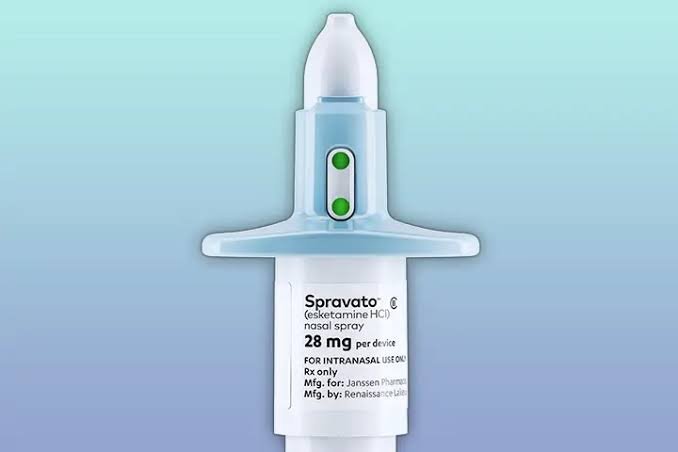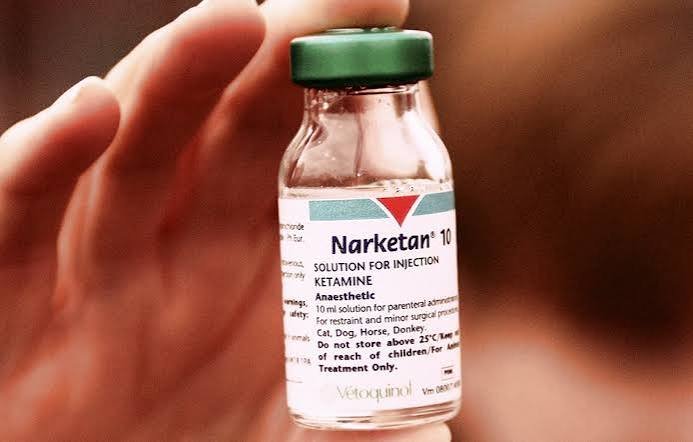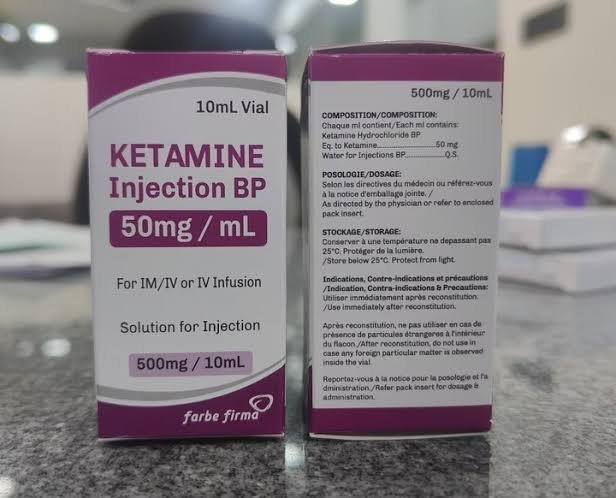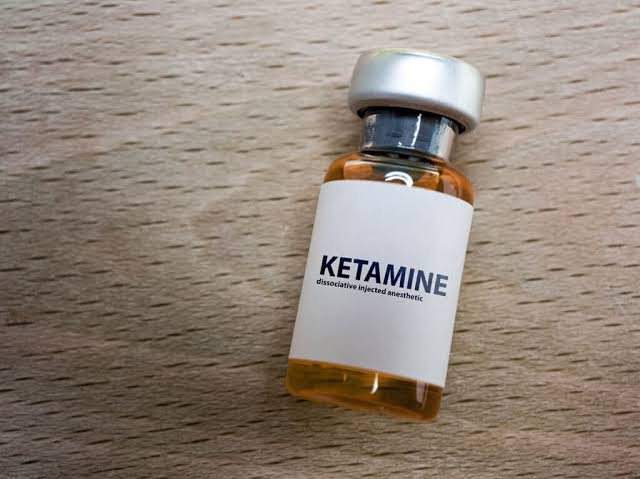
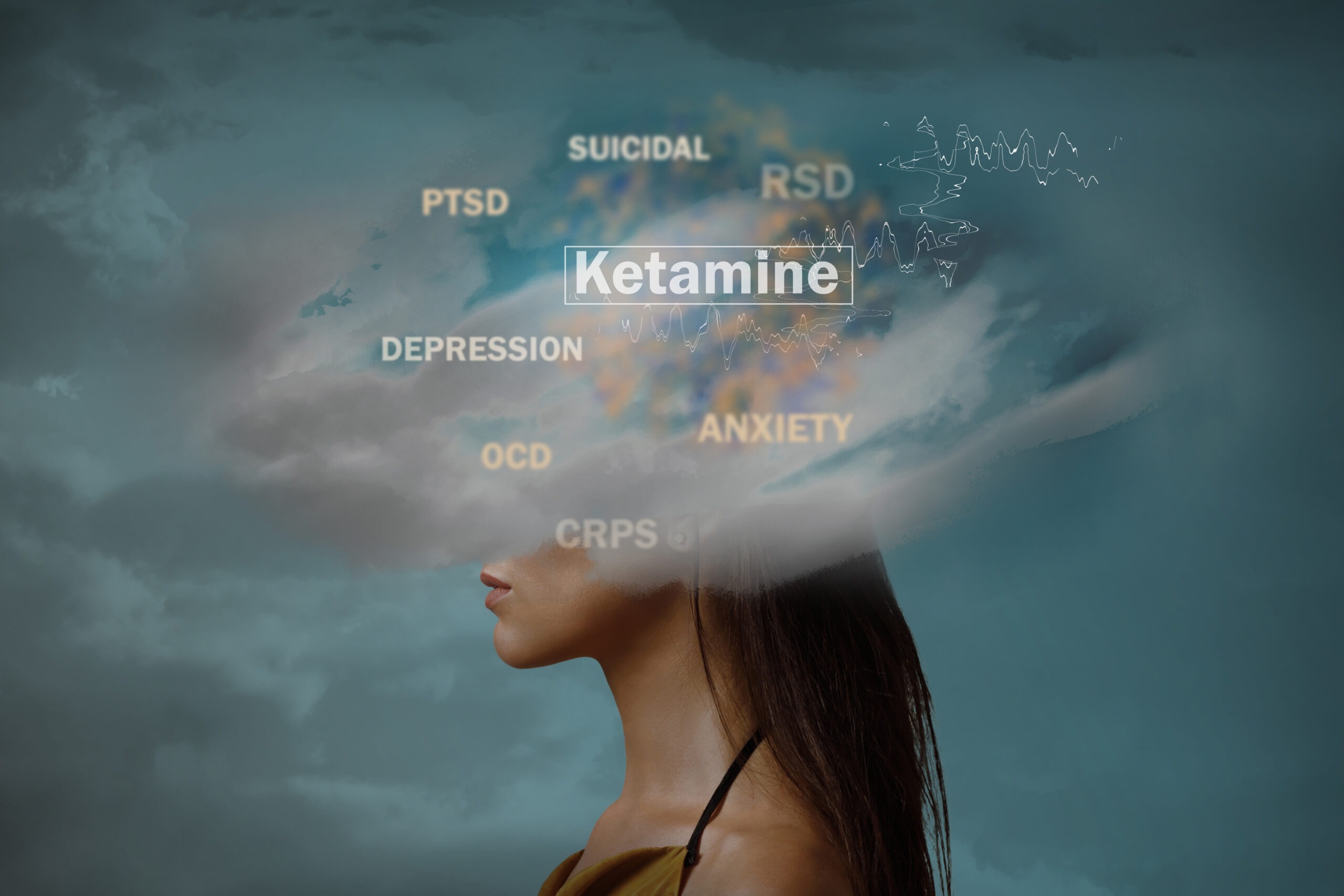
Ketamine therapy has become one of the most talked-about innovations in modern mental health care, especially for people struggling with treatment-resistant depression. While many patients report rapid relief from depressive symptoms, a common and important question remains: can ketamine make depression worse? The answer is nuanced. Like any powerful psychiatric treatment, ketamine is not a one-size-fits-all solution, and in some cases, it can temporarily intensify symptoms or lead to unwanted psychological effects.
At clinics such as https://theketaminetherapyclinic.com/, ketamine is administered in a controlled medical environment to reduce risks and improve therapeutic outcomes. However, understanding both benefits and potential downsides is essential for informed decision-making.
How Ketamine Works for Depression
Ketamine acts differently from traditional antidepressants. Instead of targeting serotonin or dopamine alone, it primarily works on the brain’s NMDA receptors, influencing glutamate activity and promoting new neural connections. This mechanism can lead to rapid improvements in mood, sometimes within hours.
For individuals with severe or treatment-resistant depression, this fast-acting relief can be life-changing. However, because ketamine alters perception and brain signaling, its effects can also be unpredictable in certain individuals.
Can Ketamine Make Depression Worse in Some Cases?
Although many patients benefit, ketamine can temporarily worsen depressive symptoms or emotional instability, especially in the following situations:
1. Initial Emotional Intensification
Some individuals experience heightened emotions, anxiety, or sadness during or shortly after treatment. This is often part of the brain’s adjustment process but can feel overwhelming.
2. Dissociation and Psychological Distress
Ketamine can cause dissociation—a feeling of detachment from reality or self. While some find this therapeutic, others may find it unsettling, potentially increasing distress or depressive thinking during the experience.
3. Inadequate Dosage or Monitoring
Improper dosing or unsupervised use significantly increases the risk of negative psychological reactions. This is why clinical oversight is critical.
4. Underlying Mental Health Conditions
People with certain psychiatric conditions, such as untreated psychosis or severe anxiety disorders, may react unpredictably, sometimes experiencing worsening symptoms.
Short-Term vs Long-Term Effects
It is important to distinguish between temporary side effects and long-term worsening of depression. In most clinical settings, negative emotional responses are short-lived and resolve as the treatment course continues. However, without proper screening and follow-up, there is a risk of prolonged discomfort or ineffective outcomes.
This is why professional guidance from specialized providers like https://theketaminetherapyclinic.com/ is essential for safety and effectiveness.
Why Medical Supervision Matters
Ketamine therapy should never be approached casually or without medical oversight. A structured treatment program typically includes:
- Psychological screening before treatment
- Controlled dosing in a clinical environment
- Monitoring during and after sessions
- Integration therapy to process emotional experiences
These safeguards significantly reduce the risk of worsening depression and help maximize therapeutic benefits.
Final Thoughts: Is Ketamine Safe for Depression?
Ketamine is not inherently harmful to individuals with depression, but it is also not risk-free. While many experience rapid relief, others may face temporary emotional discomfort or symptom fluctuation. In rare cases, especially outside clinical supervision, it may contribute to a worsening of mood symptoms.
The key lies in personalized treatment, proper screening, and expert medical supervision. When administered correctly, ketamine therapy can be a powerful tool in the fight against treatment-resistant depression—but it must always be approached with caution and professional guidance.
For those exploring whether ketamine is right for them, consulting a trusted provider like https://theketaminetherapyclinic.com/ is an important first step toward safe, informed care.