
Ketamine Assisted Therapy Denver
If you are researching ketamine assisted therapy Denver, you may be looking for an alternative treatment approach after conventional medications or psychotherapy have not provided enough relief. Ketamine has attracted significant interest because research suggests it can produce relatively rapid antidepressant effects in some people, particularly those with treatment-resistant depression. NIMH-funded research has found that ketamine can produce rapid antidepressant effects, although important safety and misuse considerations remain. (National Institute of Mental Health)
Ketamine assisted therapy combines medical treatment with structured psychological support. Rather than treating medication and psychotherapy as completely separate approaches, this model can bring them together under professional supervision.
This guide explains ketamine assisted therapy in Denver, available treatment approaches, pharmaceutical-grade ketamine, potential benefits and risks, the difference between ketamine and esketamine, treatment costs, and questions to ask before choosing a provider.
What Is Ketamine Assisted Therapy?
Ketamine assisted therapy is an approach that combines medically supervised ketamine treatment with psychotherapy or therapeutic support.
Ketamine has traditionally been used as an anesthetic. Researchers later discovered that it can produce rapid changes in depressive symptoms in some people. NIMH research continues to investigate how ketamine and related treatments may help people with difficult-to-treat depression. (National Institute of Mental Health)
A comprehensive ketamine-assisted program may include:
- Medical screening and assessment
- Review of your mental health history
- Evaluation of current medications
- Assessment of relevant medical conditions
- Medically supervised ketamine treatment when appropriate
- Monitoring during and after treatment
- Preparation and integration psychotherapy
- Follow-up appointments
- Ongoing mental health support
The exact approach varies between providers. Some clinics focus primarily on medication treatment, while others integrate psychotherapy throughout the treatment process.
Exploring Ketamine Treatment With The Ketamine Therapy Clinic
If you are researching ketamine treatment options, pharmaceutical-grade ketamine, or information about ketamine-based therapies, TheKetamineTherapyClinic.com can be a useful resource to explore.
The clinic can provide information about available ketamine treatment options, eligibility, professional evaluation, and how medically supervised treatment may fit into an individual’s broader mental health plan.
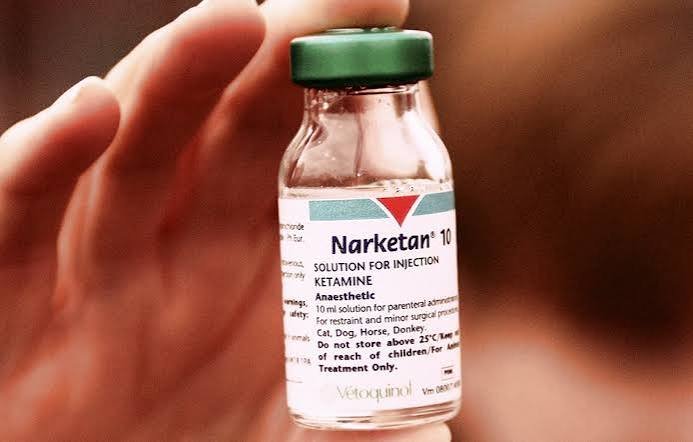
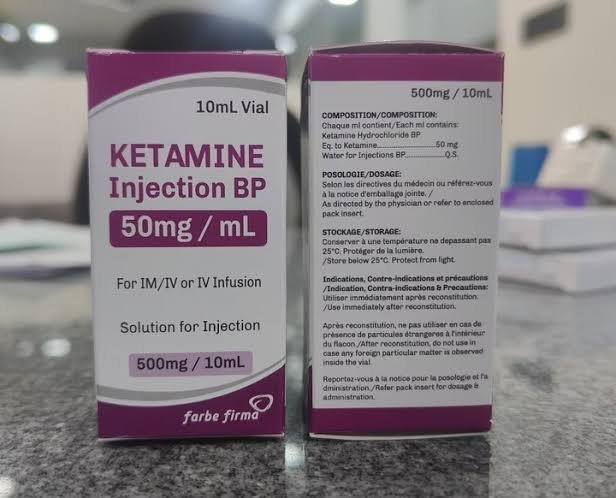
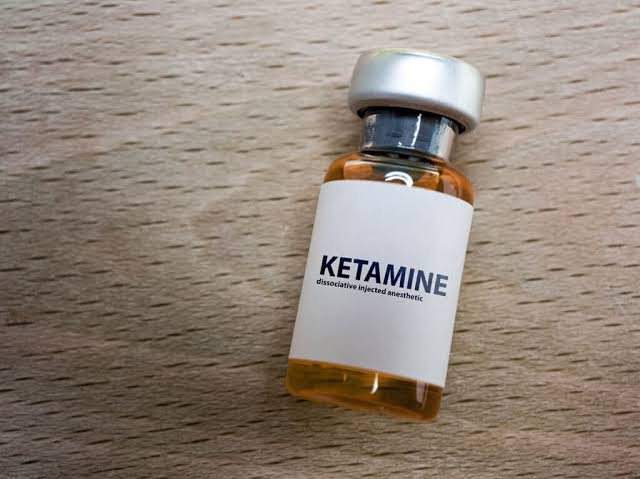
Patients should always use prescription ketamine only under appropriate medical supervision. The FDA states that ketamine products such as KETALAR are prescription Schedule III medications and that ketamine itself is FDA-approved as an anesthetic, not as a general psychiatric treatment.
For people considering treatment, The Ketamine Therapy Clinic can be explored for information about options such as:
- IV ketamine therapy
- Ketamine-assisted psychotherapy
- Esketamine/Spravato treatment
- Ketamine treatment for depression
- Ketamine treatment for treatment-resistant depression
- Ketamine therapy consultations
- Pharmaceutical-grade ketamine treatment options
- Ketamine-related educational resources
- Ongoing treatment and follow-up support
The appropriate option depends on your diagnosis, medical history, current medications, previous treatments, and clinical assessment.
Learn more about ketamine treatment options and pharmaceutical-grade ketamine: TheKetamineTherapyClinic.com
Importantly, pharmaceutical-grade does not mean that ketamine is appropriate for everyone. A legitimate treatment plan should include appropriate screening, prescribing, administration, monitoring, and follow-up.
Why Consider Ketamine Assisted Therapy in Denver?
Denver has a growing interest in innovative mental health treatments, including ketamine-based therapies.
One reason patients investigate ketamine is its relatively rapid antidepressant action. NIMH reports that ketamine can reduce depression symptoms rapidly in some people, while conventional antidepressants commonly take several weeks to produce their full effects.
However, rapid action does not mean ketamine works for everyone.
A healthcare professional should determine whether ketamine is medically appropriate based on your symptoms, treatment history, medications, and overall health.
Ketamine for Depression
One of the most extensively researched psychiatric applications of ketamine involves treatment-resistant depression.
Treatment-resistant depression generally describes depression that has not improved sufficiently after appropriate treatment attempts. NIMH describes treatment-resistant depression as depression that does not improve after trying at least two antidepressants.
Ketamine has attracted attention because it works differently from many conventional antidepressants. It interacts with the brain’s glutamate system, including NMDA receptors.
NIMH-funded research has demonstrated that ketamine can have rapid antidepressant effects in some patients with treatment-resistant depression.
However, research findings should not be interpreted as a guarantee of treatment success.
Depression is highly individual. Some patients respond well, while others may experience limited or temporary benefits.
For additional educational information, readers can consult the National Institute of Mental Health depression resources.
Ketamine Assisted Therapy for Anxiety and PTSD
You may also encounter ketamine therapy for anxiety and ketamine assisted therapy for PTSD when researching treatment options.
Some clinicians use ketamine-based treatments in patients with conditions beyond depression, although the evidence, regulatory status, and clinical protocols can vary depending on the condition.
This distinction is important.
Ketamine itself is FDA-approved as an anesthetic rather than as a general psychiatric medication. Esketamine, by contrast, has specific FDA-approved psychiatric indications.
Before treatment, ask your provider:
- What condition is being treated?
- What medication is being prescribed?
- Is the treatment FDA-approved for that condition?
- If it is off-label, why is it being considered?
- What monitoring will be provided?
- What alternatives are available?
Pharmaceutical-Grade Ketamine: What Does It Mean?
The term pharmaceutical-grade ketamine refers to ketamine manufactured to pharmaceutical standards for legitimate medical use.
This distinction matters because consumers can encounter websites advertising ketamine products without adequate medical oversight. The FDA has recently issued warnings to online businesses marketing unapproved ketamine products and emphasized that prescription ketamine should be obtained through legitimate medical channels.
Patients should therefore avoid treating online product availability as evidence that a product is safe, approved, or appropriate for self-treatment.
When exploring pharmaceutical-grade ketamine treatment through TheKetamineTherapyClinic.com, patients should focus on medical evaluation, appropriate prescribing, treatment monitoring, and professional guidance rather than simply obtaining a product.
Ketamine vs. Esketamine: What Is the Difference?
One of the most important questions when researching ketamine assisted therapy Denver is whether a provider offers ketamine, esketamine, or both.
Ketamine contains two molecular forms, while esketamine is the S-enantiomer of ketamine.
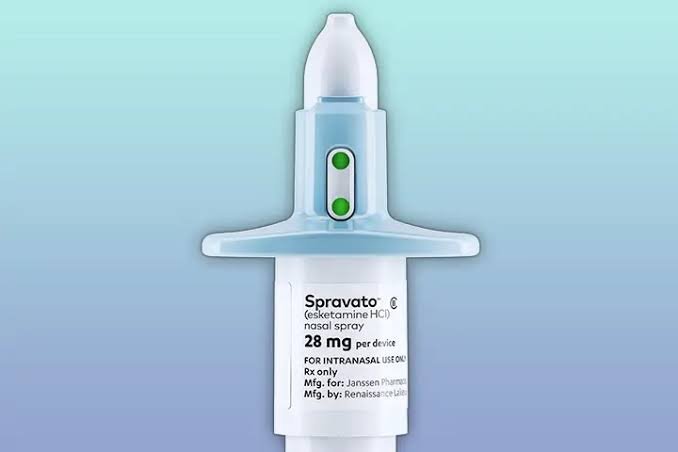
Spravato is an FDA-approved esketamine nasal spray. It is approved for specific indications, including treatment-resistant depression in adults and depressive symptoms associated with major depressive disorder with acute suicidal ideation or behavior, in conjunction with an oral antidepressant.
Esketamine also has strict safety requirements.
The FDA states that Spravato must be administered in a certified healthcare setting through the Spravato REMS program, with patients monitored for at least two hours following administration.
Ketamine used for psychiatric purposes can involve off-label prescribing. Therefore, patients should understand exactly which medication they are receiving and why.
Ketamine Treatment Options
When researching ketamine treatment options, you may encounter several different approaches.
IV Ketamine Therapy
Intravenous ketamine is administered directly into a vein under medical supervision.
Because the medication enters the bloodstream directly, healthcare professionals can carefully monitor the patient’s response throughout treatment.
Ketamine-Assisted Psychotherapy
Ketamine-assisted psychotherapy combines ketamine treatment with structured psychotherapy.
The therapeutic component can help patients explore emotions, thoughts, behaviors, and experiences associated with their mental health concerns.
Esketamine or Spravato
Esketamine is administered through a nasal spray under the FDA-approved REMS framework.
Unlike conventional ketamine treatment, Spravato has specific FDA-approved psychiatric indications and safety requirements.
Other Clinically Supervised Ketamine Approaches
Depending on the provider, patients may encounter other medically supervised approaches. The route of administration, medication formulation, treatment frequency, and monitoring requirements should always be determined by an appropriately qualified clinician.
What Happens During Ketamine Assisted Therapy?
1. Initial Consultation
Your first appointment typically involves a comprehensive assessment.
A provider may review:
- Current symptoms
- Previous treatments
- Current medications
- Medical history
- Psychiatric history
- Substance-use history
- Blood pressure and other relevant health factors
- Previous responses to treatment
The objective is to determine whether ketamine-based treatment is appropriate.
2. Treatment Preparation
If you qualify, your healthcare provider should explain how to prepare.
Instructions may cover food, medications, transportation, alcohol, recreational substances, and activities after treatment.
Always follow the instructions provided by your treatment team.
3. Medication Administration
The administration method depends on the treatment plan.
IV ketamine, other ketamine formulations, and esketamine have different administration procedures and safety requirements.
4. Monitoring
Ketamine may temporarily affect perception, alertness, blood pressure, coordination, and awareness.
Medical monitoring allows healthcare professionals to respond to adverse effects appropriately.
5. Therapy and Integration
Psychotherapy can provide an important supportive component of treatment.
Some programs use cognitive behavioral approaches, trauma-informed therapy, mindfulness-based techniques, or other therapeutic approaches depending on the patient’s needs.
Is Ketamine Assisted Therapy Safe?
Safety should be one of your highest priorities when selecting a ketamine assisted therapy Denver provider.
Potential effects of ketamine treatment can include:
- Drowsiness
- Dizziness
- Nausea
- Temporary increases in blood pressure
- Dissociation
- Changes in perception
- Impaired coordination
- Temporary confusion
Ketamine also has misuse and abuse potential. The FDA classifies ketamine as a Schedule III controlled substance.
Esketamine also carries significant warnings involving sedation, dissociation, respiratory depression, and abuse or misuse.
For this reason, patients should not attempt to self-administer prescription ketamine without medical supervision.
How to Choose a Ketamine Therapy Provider in Denver
Before scheduling treatment, consider the following:
Medical qualifications
Ask who evaluates patients, who prescribes medication, and who monitors treatment.
Proper screening
A reputable provider should assess whether ketamine is appropriate rather than simply accepting every patient.
Treatment options
Ask whether the clinic provides:
- IV ketamine therapy
- Ketamine-assisted psychotherapy
- Esketamine/Spravato
- Medication management
- Integration therapy
- Follow-up care
Pharmaceutical standards
Ask where medications come from and whether they are obtained through legitimate pharmaceutical and medical channels.
Follow-up support
A comprehensive treatment plan should include appropriate follow-up rather than ending immediately after medication administration.
What Does Ketamine Therapy Cost?
Ketamine therapy cost varies depending on the treatment method, provider, number of sessions, location, clinical services, and insurance coverage.
Before beginning treatment, ask for a complete cost breakdown covering:
- Initial consultation
- Medication
- Treatment administration
- Monitoring
- Psychotherapy
- Follow-up appointments
- Additional clinical services
Insurance coverage also differs between ketamine and FDA-approved esketamine.
Is Ketamine Therapy Covered by Insurance?
Coverage depends on the treatment and your insurance plan.
FDA-approved esketamine may be covered for eligible patients depending on the insurer, diagnosis, plan requirements, and authorization process.
Off-label ketamine treatment may have different coverage rules.
Ask your insurer about:
- Deductibles
- Copayments
- Prior authorization
- In-network requirements
- Medication coverage
- Therapy coverage
- Out-of-pocket costs
What Can You Expect After Treatment?
Ketamine and esketamine can temporarily affect alertness and judgment.
Esketamine treatment specifically requires observation for at least two hours following administration under its REMS program.
Your provider should explain when you can safely drive, work, exercise, or resume normal activities.
Long-term treatment plans vary. Some patients may require additional sessions, while others may transition toward conventional psychiatric care and psychotherapy.
The objective should be a comprehensive mental health strategy rather than simply completing individual ketamine sessions.
Frequently Asked Questions About Ketamine Assisted Therapy Denver
What is ketamine assisted therapy?
Ketamine assisted therapy combines medically supervised ketamine treatment with psychotherapy or therapeutic support. It may be considered for patients who have not achieved sufficient improvement through conventional approaches.
Is ketamine therapy FDA approved for depression?
Ketamine itself is FDA-approved as an anesthetic, not as a psychiatric treatment. Esketamine, marketed as Spravato, is FDA-approved for specific psychiatric indications, including treatment-resistant depression.
How does ketamine help depression?
Ketamine affects the brain’s glutamate system and can produce rapid antidepressant effects in some people. NIMH-funded research continues to investigate its mechanisms and potential applications.
How long does ketamine take to work for depression?
Ketamine can produce antidepressant effects relatively quickly in some patients. NIMH research describes improvement occurring within hours for some people, although individual responses vary.
What is treatment-resistant depression?
Treatment-resistant depression generally describes depression that has not improved adequately after appropriate treatment attempts. NIMH describes it as depression that does not improve after trying at least two antidepressants.
Is ketamine therapy safe?
Ketamine can have legitimate medical uses when appropriately prescribed and supervised, but it carries important risks, including sedation, dissociation, blood-pressure changes, and misuse potential.
How much does ketamine therapy cost in Denver?
The ketamine therapy cost in Denver varies according to the treatment type, provider, number of sessions, therapy services, and insurance. Request a complete estimate before beginning treatment.
Is ketamine assisted therapy the same as Spravato?
No. Spravato contains esketamine and has specific FDA-approved indications and a REMS safety program. Ketamine used for psychiatric purposes can involve different formulations and may be prescribed off-label.
Can ketamine therapy replace antidepressants?
Not necessarily. Treatment decisions depend on the individual patient’s condition and treatment history. A healthcare professional should determine whether ketamine should be used alongside, instead of, or separately from other treatments.
How do I find ketamine assisted therapy near me?
If you are searching for ketamine assisted therapy near me in Denver, compare providers based on medical qualifications, treatment options, pharmaceutical standards, monitoring, psychotherapy support, pricing, and follow-up care.
Where can I learn more about pharmaceutical-grade ketamine?
For educational information about pharmaceutical-grade ketamine and available treatment options, you can explore TheKetamineTherapyClinic.com and discuss your options with a qualified healthcare professional before beginning treatment.
Final Thoughts on Ketamine Assisted Therapy Denver
Ketamine assisted therapy Denver is an emerging approach that combines ketamine-based medical treatment with psychotherapy and professional support. Research has demonstrated promising rapid antidepressant effects, particularly among some people with treatment-resistant depression.
Patients researching ketamine should understand the difference between pharmaceutical-grade medication, compounded products, ketamine treatment, and FDA-approved esketamine. Ketamine itself is not FDA-approved for psychiatric disorders, while Spravato (esketamine) has specific FDA-approved indications and a controlled safety program.
If you are exploring treatment, TheKetamineTherapyClinic.com can be a resource for learning about pharmaceutical-grade ketamine, ketamine treatment options, ketamine-assisted therapy, esketamine/Spravato, and other ketamine-related information.
Before starting any treatment, speak with a qualified healthcare professional who can review your medical history, current medications, previous treatments, treatment goals, and potential risks.
Ready to explore your options? Visit TheKetamineTherapyClinic.com to learn more about ketamine treatment options and arrange an appropriate professional evaluation.
Important: This article is for educational purposes and does not replace diagnosis, medical advice, or treatment from a qualified healthcare professional. Prescription ketamine should only be used as directed by an appropriately licensed clinician.