
Understanding Who is a good candidate for ketamine therapy and who is not a good candidate for ketamine therapy? This is an important question for people considering ketamine as a treatment option for depression, anxiety, PTSD, chronic pain, or other difficult-to-treat conditions. Ketamine has attracted significant medical interest because of its rapid effects in some patients, particularly those with treatment-resistant depression.
However, ketamine therapy is not suitable for everyone. A qualified healthcare professional should review your medical history, current medications, psychiatric history, treatment history, and potential risk factors before recommending ketamine.
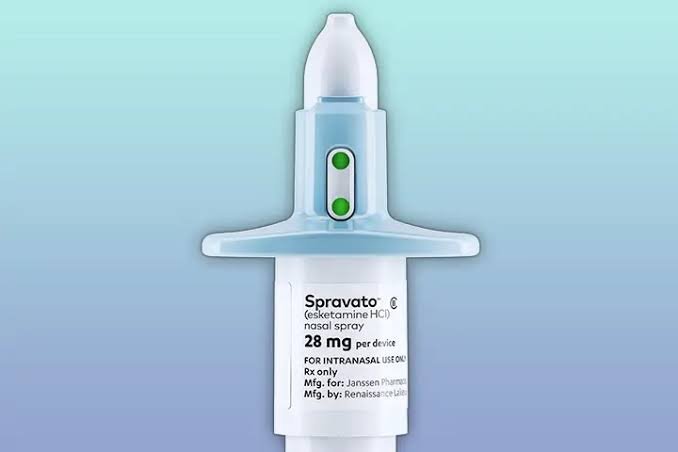
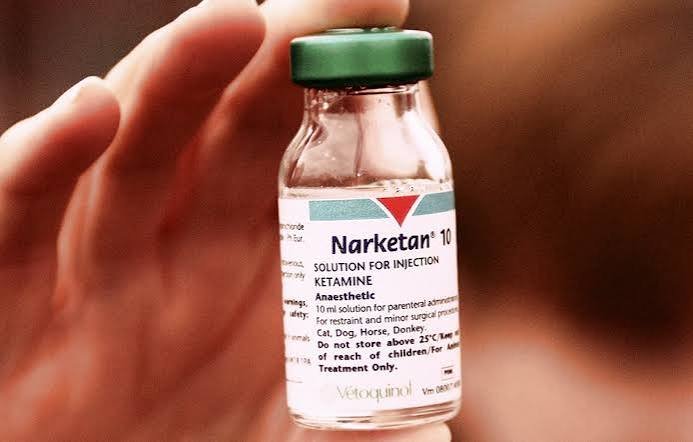
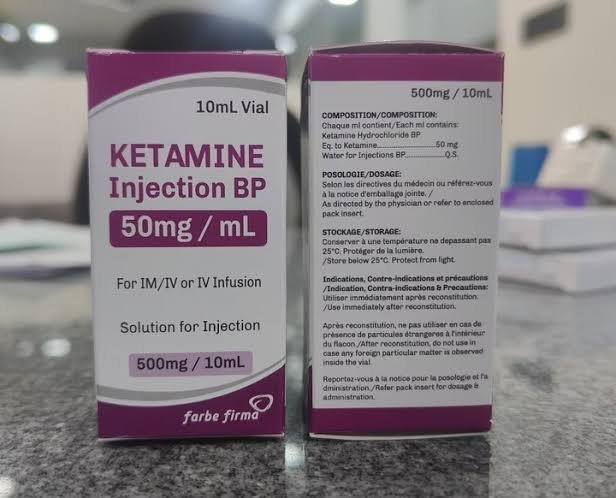
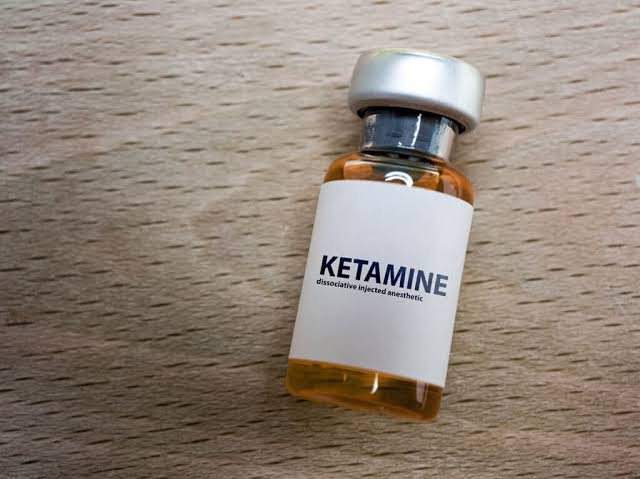
Ketamine also comes in different formulations and has different regulatory statuses. In the United States, ketamine itself is FDA-approved as an anesthetic, while esketamine nasal spray (Spravato) has specific FDA-approved psychiatric indications. Ketamine is not FDA-approved as a treatment for psychiatric disorders, although clinicians may use it off-label in appropriate circumstances.
This guide explains who may be a good candidate for ketamine therapy, who may need additional evaluation, what the treatment process involves, and what questions you should ask before starting treatment.
What Is Ketamine Therapy?
Ketamine therapy refers to the clinical use of ketamine as part of a medically supervised treatment plan. Depending on the treatment setting, clinicians may administer ketamine through an infusion or another prescribed formulation.
The medication works differently from many traditional antidepressants. It primarily affects the brain’s glutamate system through NMDA receptor antagonism. Researchers have studied its potential to produce relatively rapid changes in depressive symptoms.
This treatment approach differs from ketamine’s established anesthetic use. The FDA approves ketamine for general anesthesia, while it has not approved it for psychiatric conditions such as depression or chronic pain.
Esketamine is different. The FDA has approved Spravato for treatment-resistant depression in adults and for depressive symptoms in adults with major depressive disorder accompanied by acute suicidal ideation or behavior, in conjunction with an oral antidepressant.
Who Is a Good Candidate for Ketamine Therapy?
There is no single checklist that automatically makes someone eligible for ketamine therapy. Instead, clinicians evaluate several clinical and safety factors.
A person may be considered a potential candidate when they have a diagnosed condition that could reasonably benefit from treatment and when standard therapies have not produced adequate results.
1. People With Treatment-Resistant Depression
One of the most frequently discussed groups includes people with treatment-resistant depression (TRD).
Clinicians generally define TRD as depression that does not improve adequately after appropriate trials of conventional antidepressant treatment.
For FDA-approved esketamine, treatment-resistant depression is defined within regulatory guidance. FDA materials describe TRD in adults as inadequate clinically meaningful improvement after at least two different oral antidepressants during the current depressive episode.
This does not mean that a single antidepressant trial automatically leads to ketamine consideration.
A clinician typically reviews:
- Which antidepressants were used
- Duration of each trial
- Whether therapeutic doses were reached
- Side effects experienced
- Response to psychotherapy
- Partial vs. no improvement
- Other medical contributors to symptoms
This detailed evaluation helps determine whether ketamine represents an appropriate next step.
2. People With Depression Who Need Additional Treatment Options
Some individuals continue to experience significant depressive symptoms even after standard treatment.
In these cases, a healthcare professional may consider ketamine-based therapy as part of a broader treatment plan rather than as a replacement for all existing care.
Clinicians should integrate ketamine into an overall strategy that may still include antidepressants, psychotherapy, and lifestyle interventions.
3. People Who Can Participate in Medical Monitoring
Ketamine can temporarily affect perception, alertness, coordination, blood pressure, and consciousness.
A suitable candidate must be able to follow medical instructions and participate in supervised monitoring.
This requirement becomes especially important in clinical settings where ketamine is administered.
For example, Spravato must be given under healthcare-provider supervision through the FDA’s REMS program, and staff must monitor patients for sedation and dissociation.
4. People Who Have Been Properly Screened
Medical screening plays a central role in determining who is a good candidate for ketamine therapy.
A clinician typically evaluates:
- Blood pressure
- Cardiovascular history
- Psychiatric history
- Current medications
- Prior psychiatric treatments
- Substance-use history
- Allergies
- Other medical conditions
- Pregnancy or breastfeeding status (when relevant)
- Prior reactions to anesthesia or ketamine
The goal is not simply to confirm interest in treatment. Instead, clinicians weigh potential benefits against possible risks.
5. People With Realistic Treatment Expectations
Ketamine therapy should not be viewed as a guaranteed cure.
Some patients experience meaningful improvement, while others notice limited or short-term effects.
Patients should understand that treatment may require ongoing evaluation, adjustments, and follow-up planning.
Current clinical guidance emphasizes structured protocols, careful patient selection, and consistent monitoring when ketamine is used for psychiatric conditions.
Who May Not Be a Good Candidate for Ketamine Therapy?
Ketamine is not appropriate for everyone, and certain conditions may increase risk or require further evaluation.
Clinicians often exercise caution in patients with:
- Uncontrolled cardiovascular disease
- Significant uncontrolled hypertension
- Certain psychotic disorders
- Serious medication interactions
- A history of problematic substance use
- Conditions that increase risk from dissociation or sedation
- Other complex medical issues requiring specialist input
These factors do not automatically exclude someone from treatment. Instead, they require individualized assessment by a qualified clinician.
Ketamine Therapy for Depression
Ketamine for depression has become one of the most widely discussed applications of this treatment.
Research interest has grown because ketamine acts on a different biological pathway than traditional antidepressants.
For individuals with severe or treatment-resistant depression, this mechanism may make ketamine a potential option to discuss with a qualified psychiatrist or licensed clinician.
Patients should clearly distinguish between ketamine and esketamine.
Ketamine is FDA-approved as an anesthetic and may be used off-label in psychiatric care. Esketamine (Spravato) has specific FDA-approved psychiatric indications.
Ketamine Therapy for Anxiety
Many people search for ketamine for anxiety after hearing about its potential mood effects.
Research continues, but evidence and regulatory approval differ from esketamine’s approved uses.
A proper diagnosis should come first, since anxiety may occur alongside depression, PTSD, substance-use disorders, or medical conditions. Effective treatment depends on identifying the underlying cause rather than focusing only on symptoms.
Ketamine Therapy for PTSD
Another common search is ketamine for PTSD.
Researchers have studied ketamine in post-traumatic stress disorder, and some specialized clinics may consider it for carefully selected patients.
However, PTSD treatment often includes psychotherapy, medications, and behavioral interventions.
Clinicians should integrate ketamine into a broader treatment plan rather than relying on it as a standalone approach.
Ketamine for Chronic Pain
Ketamine has also been studied for certain chronic pain conditions.
Its anesthetic history and effects on the nervous system have led to interest in pain management applications.
Treatment decisions depend heavily on the type and cause of pain. A pain specialist may need to evaluate whether the condition is neuropathic, inflammatory, musculoskeletal, or related to another underlying issue.
What Happens Before Ketamine Therapy?
A reputable program should begin with a full evaluation rather than immediate treatment.
Medical Assessment
A clinician reviews medical history, medications, allergies, cardiovascular health, and other relevant factors.
Mental Health Assessment
The provider evaluates diagnosis, symptom severity, prior treatments, and treatment goals.
Medication Review
Some medications or substances may interact with ketamine or affect safety.
Treatment Discussion
The clinician explains expected benefits, risks, side effects, monitoring requirements, and alternatives.
Follow-Up Planning
Patients should understand how progress will be tracked and what happens if treatment does not produce results.
What Are the Potential Side Effects?
Ketamine can cause temporary side effects.
Possible effects include:
- Dizziness
- Nausea
- Drowsiness
- Increased blood pressure
- Changes in perception
- Dissociation
- Impaired coordination
- Temporary confusion
Esketamine requires additional safety precautions due to risks such as sedation, dissociation, respiratory depression, and misuse potential. For this reason, Spravato is administered under a restricted REMS program with supervised monitoring.
Patients should avoid driving or operating machinery after treatment when a clinician advises against it.
How Do You Find a Ketamine Therapy Provider?
When searching for ketamine therapy near me, patients should look beyond cost alone.
Important factors include:
- Medical credentials
- Licensing
- Treatment protocols
- Screening procedures
- Monitoring systems
- Follow-up care
- Emergency procedures
- Transparency about risks
- Prescription practices
- Pharmacy sourcing
Patients should be cautious with websites that offer ketamine without proper medical evaluation.
The FDA has taken enforcement action against unapproved ketamine products marketed for human use, reinforcing the importance of obtaining medications through legitimate medical channels.
Pharmaceutical-Grade Ketamine and Legitimate Treatment Options
People researching pharmaceutical-grade ketamine should understand that safety, legality, prescription status, and clinical supervision all matter.
Patients should not purchase ketamine from unverified sources or attempt self-administration without medical oversight.
For readers exploring ketamine treatment options, TheKetamineTherapyClinic.com can serve as a resource for learning about clinician-supervised care.
All prescription medications should be obtained through licensed healthcare providers and pharmacies and used exactly as directed.
What Makes Someone a Strong Candidate?
A strong candidate for ketamine therapy typically:
- Has an appropriate diagnosis
- Experiences significant symptoms
- Has not responded adequately to standard treatments (when relevant)
- Completes proper medical screening
- Maintains realistic expectations
- Follows treatment instructions
- Understands potential risks
- Has appropriate follow-up care
A qualified healthcare professional must always make the final determination.
Frequently Asked Questions About Ketamine Therapy
Who is a good candidate for ketamine therapy?
A good candidate is typically an adult with an appropriate diagnosis, such as treatment-resistant depression, who has undergone medical and psychiatric evaluation and has no major contraindications. Eligibility depends on the specific treatment protocol.
Is ketamine therapy good for depression?
Ketamine has been studied for treatment-resistant depression, and some patients report improvement. However, ketamine is not FDA-approved for psychiatric use, while esketamine has specific approved indications.
What is treatment-resistant depression?
Treatment-resistant depression refers to depression that does not respond adequately to appropriate antidepressant treatment. For esketamine, FDA guidance defines it as inadequate response to at least two antidepressants during the current episode.
Can you get ketamine therapy for anxiety?
Some clinicians use ketamine off-label for anxiety-related conditions, but evidence varies. A clinician should evaluate diagnosis and history before recommending treatment.
Can ketamine help PTSD?
Ketamine has been studied for PTSD, and some clinicians may consider it in selected cases. Treatment should always be part of a comprehensive care plan.
How does ketamine therapy work?
Ketamine affects the brain’s glutamate system through NMDA receptor antagonism, which differs from many traditional antidepressants.
How quickly does ketamine work for depression?
Some patients notice changes quickly, but response varies widely depending on the individual and treatment protocol.
Is ketamine therapy safe?
Ketamine carries risks and side effects. Proper screening, dosing, monitoring, and follow-up improve safety when used under medical supervision.
Is Spravato the same as ketamine?
No. Spravato is esketamine, a related but distinct medication with FDA-approved psychiatric indications and a required safety monitoring program.
How much does ketamine therapy cost?
Ketamine therapy cost varies based on treatment type, provider, location, number of sessions, and insurance coverage.
Does insurance cover ketamine therapy?
Coverage depends on the medication, diagnosis, and insurance plan. Esketamine may have different coverage rules than off-label ketamine treatment.
Where can I find ketamine therapy near me?
Look for licensed providers with clear screening processes, monitoring protocols, and follow-up care before choosing a clinic.
Final Thoughts
Understanding who is a good candidate for ketamine therapy matters more than simply finding a provider.
Ketamine may help carefully selected patients, especially those with treatment-resistant depression, but it requires thorough medical and psychiatric evaluation.
Patients should also understand the difference between ketamine and FDA-approved esketamine. Ketamine is approved as an anesthetic, while Spravato has specific psychiatric approvals.
Anyone considering treatment should consult a qualified healthcare professional to review diagnosis, history, medications, and goals. For general information on ketamine treatment options and supervised care, TheKetamineTherapyClinic.com can be used as an educational resource.
Avoid unverified products and self-treatment. Ketamine should always be used under proper medical supervision through licensed healthcare and pharmacy channels.