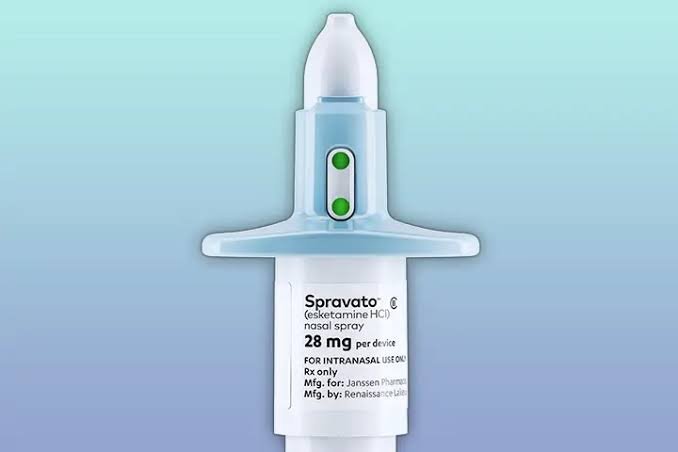
Understanding Spravato side effects is an important part of discussing treatment with your healthcare provider. SPRAVATO® (esketamine) is a prescription nasal spray used for certain adults with treatment-resistant depression and, in combination with an oral antidepressant, for depressive symptoms in adults with major depressive disorder accompanied by acute suicidal ideation or behavior. Because esketamine can cause significant effects shortly after administration, it must be given under healthcare-provider supervision through the SPRAVATO REMS program.
Common Spravato Side Effects
The most commonly reported Spravato side effects include dissociation, dizziness, nausea, sedation, vertigo, decreased sensation, anxiety, lethargy, increased blood pressure, vomiting, and a feeling of being drunk. Headache is also listed among commonly observed adverse reactions in the current prescribing information.
These effects can vary from person to person. Your healthcare professional can explain what you may experience during treatment and how you will be monitored.
Serious Side Effects of Spravato
SPRAVATO carries a boxed warning concerning sedation, dissociation, respiratory depression, abuse and misuse, and suicidal thoughts and behaviors. Respiratory depression can include breathing problems and, in serious cases, respiratory arrest. Patients are monitored after administration because some reactions can occur shortly after receiving the medication.
SPRAVATO may also cause an increase in blood pressure. The prescribing information recommends assessing blood pressure before and after administration. Patients with certain cardiovascular or cerebrovascular conditions may have increased risks associated with blood-pressure elevation.
Dissociation, Sedation & Cognitive Effects
One of the distinctive concerns when discussing Spravato side effects is dissociation. Patients may experience changes in their perception of themselves, their surroundings, thoughts, feelings, space, or time. Sedation can also occur.
SPRAVATO may impair attention, judgment, thinking, reaction speed, and motor skills. Because of these effects, patients should not drive or operate machinery until the next day after a restful sleep, according to the prescribing information.
Why Spravato Requires Medical Monitoring
SPRAVATO is not a medication that patients simply administer independently at home. It must be administered intranasally under the supervision of a healthcare provider, and patients are monitored for at least two hours after administration for serious reactions such as sedation, dissociation, and respiratory depression.
SPRAVATO is also available through the SPRAVATO REMS, a restricted safety program established because of the risks associated with treatment.
Who Should Discuss Risks With a Doctor?
Before treatment, tell your healthcare provider about your medical history, medications, and any conditions that could affect treatment. SPRAVATO is contraindicated in people with certain aneurysmal vascular diseases, arteriovenous malformations, intracerebral hemorrhage, or hypersensitivity to esketamine, ketamine, or its ingredients.
Pregnancy and breastfeeding also require specific discussion with a healthcare professional. The current prescribing information states that SPRAVATO may cause fetal harm and that breastfeeding is not recommended.
Understanding Spravato Side Effects
If you are researching Spravato side effects, esketamine side effects, Spravato risks, or Spravato safety, reliable medical information and professional guidance are essential. Individual experiences can differ, and your healthcare provider can explain the potential benefits and risks based on your circumstances.
Seek immediate medical attention for severe breathing problems, loss of consciousness, or other serious symptoms, and tell your healthcare provider about any concerning reaction during or after treatment.
Important: This information is for educational purposes and does not replace medical advice, diagnosis, or treatment. SPRAVATO is a controlled prescription medication and should only be used exactly as prescribed and administered in an appropriate certified healthcare setting.