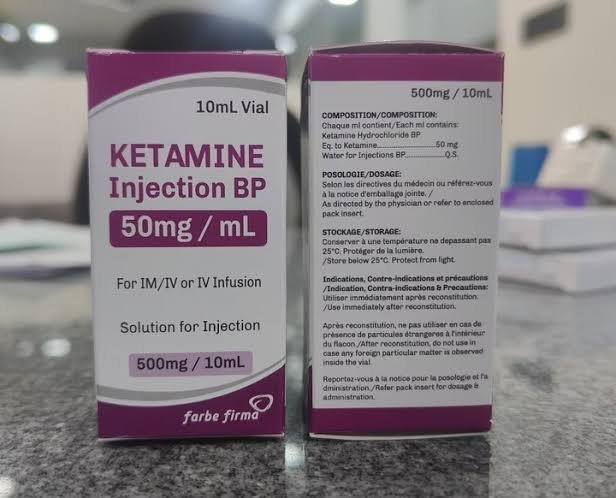

If you are searching for ketamine therapy Colorado Springs, you may be looking for an alternative treatment option for depression, anxiety, PTSD, chronic pain, or other difficult-to-treat conditions. Ketamine has received growing attention in healthcare because of its unique effects on the brain and its potential therapeutic benefits for some patients.
At the same time, many people have questions about how ketamine treatment works, who may qualify, how much it costs, and whether ketamine is legal in Colorado.
Understanding these questions before pursuing treatment can help you make informed decisions about your healthcare. Ketamine therapy should always involve appropriate medical evaluation, professional oversight, and individualized treatment planning.
What Is Ketamine Therapy?
Ketamine therapy involves the medically supervised use of ketamine as part of a treatment plan. Healthcare professionals have used ketamine as an anesthetic for decades. Researchers have also investigated its potential role in treating certain mental health and pain conditions.
Ketamine works differently from many conventional antidepressants. It primarily interacts with the brain’s glutamate system and NMDA receptors, which are involved in communication between nerve cells.
This different mechanism has made ketamine an important subject of research, particularly for treatment-resistant depression.
When searching for ketamine therapy Colorado Springs, you may encounter different forms of treatment. The specific method, dosage, frequency, and setting depend on the patient’s circumstances and the healthcare professional’s assessment.
Ketamine should not be used without appropriate medical guidance.
Is Ketamine Legal in Colorado?
One of the most common questions people ask is, “is ketamine legal in Colorado?”
Ketamine has legitimate medical uses in Colorado, but it remains a controlled substance and is subject to federal and state regulations. Legal medical use is different from unauthorized possession, distribution, or recreational use.
Colorado law regulates controlled substances, including ketamine. Therefore, patients should obtain ketamine only through appropriate medical channels and follow the instructions provided by qualified healthcare professionals.
This distinction matters when researching ketamine therapy Colorado Springs. A legitimate medical treatment program operates within applicable healthcare and controlled-substance requirements.
Colorado has also continued to update its laws concerning controlled substances. For example, 2026 legislation addressed certain prescription products containing controlled substances and circumstances involving authorized practitioners, pharmacies, prescription drug outlets, and authorized possession.
Because laws can change, patients should confirm current requirements with qualified healthcare professionals and appropriate Colorado authorities.
Can You Legally Receive Ketamine Therapy in Colorado?
Ketamine may be used for legitimate medical purposes when treatment follows applicable federal and state requirements.
The exact pathway depends on factors such as:
- The patient’s medical condition
- The type of ketamine treatment
- The healthcare professional providing treatment
- How the medication is prescribed or administered
- Applicable federal regulations
- Colorado requirements
Patients should never attempt to obtain ketamine from unregulated sources.
If you are considering ketamine treatment, speak with a qualified healthcare professional about whether it may be appropriate for your situation.
Is Ketamine Legal for Recreational Use in Colorado?
The answer should not be confused with Colorado’s laws concerning other controlled substances or natural medicines.
Ketamine remains regulated as a controlled substance. Having legitimate medical applications does not mean that ketamine can be legally possessed or used for recreational purposes without authorization.
For this reason, anyone considering ketamine should focus on medically supervised treatment rather than independent or recreational use.
Who May Consider Ketamine Therapy?
Ketamine therapy may be considered for certain patients who have not achieved adequate improvement with conventional treatments.
Depending on the individual circumstances and clinical evidence, healthcare professionals may discuss ketamine in relation to:
- Treatment-resistant depression
- Major depressive disorder
- PTSD
- Certain anxiety conditions
- Certain chronic pain conditions
- Other conditions being investigated through clinical research
However, ketamine is not appropriate for everyone.
A medical professional should review your health history, current medications, previous treatments, symptoms, and treatment goals before recommending therapy.
Previous treatment failure alone does not automatically make someone eligible.
Ketamine Therapy for Depression
Depression is one of the most widely researched mental health applications of ketamine.
Many people with depression respond well to conventional treatments such as antidepressant medication and psychotherapy. However, some people continue to experience significant symptoms despite trying multiple treatments.
This may be described as treatment-resistant depression.
For appropriately selected patients, ketamine may provide another treatment option to discuss with a qualified healthcare professional.
Research has shown that ketamine can produce relatively rapid antidepressant effects in some patients. However, individual responses vary, and ketamine does not guarantee long-term remission.
For this reason, ketamine treatment should form part of an appropriate overall care plan when clinically indicated.
Ketamine Therapy for Anxiety
Anxiety disorders can affect nearly every area of life. Persistent anxiety may interfere with sleep, work, relationships, concentration, and daily activities.
Researchers continue to investigate ketamine’s potential role in anxiety disorders. Some providers may consider ketamine-based treatment for selected patients.
However, different anxiety disorders have different treatment recommendations and evidence bases.
A professional assessment can help determine whether ketamine is a reasonable option or whether another treatment approach may be more appropriate.
Ketamine Therapy for PTSD
Post-traumatic stress disorder can cause intrusive memories, nightmares, avoidance, emotional distress, sleep problems, and heightened alertness.
Researchers have studied ketamine as a potential treatment for PTSD, and some treatment providers offer ketamine-based approaches for selected patients.
However, PTSD treatment often involves comprehensive care that may include psychotherapy, medication, trauma-focused treatment, and ongoing mental health support.
Ketamine should not automatically replace established PTSD treatments.
If you have PTSD and are considering ketamine therapy Colorado Springs, discuss your symptoms and treatment history with a qualified healthcare professional.
How Does Ketamine Work?
Ketamine primarily affects the brain’s glutamate system.
It interacts with NMDA receptors and can influence signaling between neurons. Researchers believe these effects may contribute to changes in neural connectivity and brain plasticity.
This mechanism differs from the way many traditional antidepressants work.
The rapid changes reported in some patients have made ketamine particularly interesting in depression research.
Nevertheless, scientists continue to investigate exactly how ketamine produces its therapeutic effects and why some patients respond better than others.
What Happens During Ketamine Therapy?
The treatment process varies according to the provider, treatment method, and patient’s circumstances.
A typical treatment journey begins with an initial consultation.
During this assessment, a healthcare professional may review:
- Your medical history
- Mental health history
- Previous medications
- Current medications
- Previous treatment responses
- Physical health
- Treatment goals
- Potential safety concerns
If the clinician determines that ketamine may be appropriate, they can explain the recommended treatment approach.
During supervised treatment, the healthcare team may monitor your response and relevant vital signs.
Ketamine can temporarily cause changes in perception, relaxation, dizziness, drowsiness, nausea, or dissociation.
Patients should follow their provider’s instructions before and after treatment, particularly regarding transportation, driving, alcohol, medications, and other activities.
Is Ketamine Therapy Safe?
Ketamine has a long history of medical use, but it is not risk-free.
Potential side effects can include:
- Dizziness
- Nausea
- Drowsiness
- Increased blood pressure
- Changes in perception
- Dissociation
- Confusion
- Temporary coordination problems
Certain people may face greater risks because of existing medical conditions or medications.
That is why proper screening and medical supervision matter.
Patients should never assume that ketamine is safe simply because healthcare professionals use it medically.
The treatment setting, patient selection, dosage, monitoring, and follow-up all play important roles in safety.
Why Medical Supervision Matters
Anyone researching ketamine therapy Colorado Springs should pay close attention to medical supervision.
A responsible treatment provider should evaluate your health before treatment and explain the potential benefits and risks.
You should also understand:
- Who administers or supervises treatment
- What type of ketamine is used
- How treatment is monitored
- What side effects may occur
- How emergencies are handled
- What follow-up care is available
- What treatment alternatives exist
Avoid providers that promise guaranteed results or claim that ketamine is a cure for every mental health condition.
Good healthcare involves realistic expectations and individualized treatment.
How Much Does Ketamine Therapy Cost in Colorado Springs?
The price of ketamine therapy can vary considerably between providers.
Factors that may affect the total cost include:
- Initial consultation
- Type of ketamine treatment
- Number of sessions
- Medical monitoring
- Follow-up appointments
- Additional therapy services
- Clinic fees
Some providers charge for individual sessions, while others offer treatment programs consisting of multiple appointments.
Insurance coverage also varies. Some ketamine-related treatments may not receive coverage, while certain services may qualify depending on the treatment, diagnosis, insurance plan, and medical circumstances.
Before beginning treatment, ask for a complete explanation of the expected costs.
You should also contact your insurance company if you want to determine whether your plan provides any applicable coverage.
Ketamine Therapy vs. Traditional Treatment
Ketamine therapy does not necessarily replace traditional mental health treatment.
Depending on your circumstances, a comprehensive treatment plan may include:
- Psychotherapy
- Psychiatric care
- Antidepressant medication
- Lifestyle changes
- Sleep improvement
- Stress management
- Ketamine therapy
- Regular medical monitoring
Combining appropriate treatments may provide a more comprehensive approach than relying on one intervention alone.
Your healthcare professional can help determine which options make sense for your circumstances.
How to Choose a Ketamine Therapy Provider
Choosing the right provider is an important part of the process.
When comparing ketamine therapy Colorado Springs providers, look beyond price.
Consider whether the provider:
- Performs an initial medical evaluation.
- Reviews your medical and psychiatric history.
- Uses qualified healthcare professionals.
- Provides appropriate treatment monitoring.
- Explains potential benefits and risks.
- Provides clear pricing information.
- Offers appropriate follow-up care.
- Discusses alternative treatments.
- Gives realistic expectations.
- Maintains appropriate safety procedures.
You should also verify the professional credentials and licensing of the healthcare professionals involved in your treatment.
Is Ketamine Therapy Right for You?
Ketamine therapy is not automatically appropriate for everyone.
It may be worth discussing with a qualified healthcare professional if you continue to experience significant symptoms despite previous treatment and want to explore additional options.
However, your individual medical history matters.
A professional assessment can help determine whether ketamine may be appropriate and whether the potential benefits outweigh the potential risks.
Do not make your decision based solely on testimonials, advertisements, or social media posts.
Instead, ask questions and obtain professional medical advice.
Why Consider TheKetamineTherapyClinic.com?
If you are researching ketamine therapy Colorado Springs, TheKetamineTherapyClinic.com can help you learn more about ketamine-based treatment and the factors to consider before beginning therapy.
Our goal is to provide clear, accessible information about ketamine treatment, potential applications, safety considerations, eligibility, and the importance of professional medical oversight.
Every patient has different circumstances.
For that reason, a consultation is an important step before determining whether ketamine treatment may be suitable for you.
If you are struggling with persistent symptoms despite previous treatment, learning about additional options can be a valuable first step.
Frequently Asked Questions About Ketamine Therapy Colorado Springs
Is ketamine therapy legal in Colorado?
Yes, ketamine has legitimate medical uses in Colorado, but it remains a controlled substance subject to applicable federal and state regulations. Legal medical treatment is different from unauthorized possession or recreational use.
Is ketamine legal in Colorado for depression treatment?
Ketamine may be used medically in appropriate circumstances, including certain depression treatment settings. A qualified healthcare professional must determine whether treatment is appropriate for an individual patient.
Is ketamine legal for recreational use in Colorado?
Ketamine remains regulated as a controlled substance and should not be treated as a generally legal recreational substance. Patients should obtain and use ketamine only through appropriate medical channels.
What is ketamine therapy Colorado Springs?
Ketamine therapy Colorado Springs refers to medically supervised ketamine treatment available to eligible patients in the Colorado Springs area. Depending on the provider and patient’s circumstances, treatment may be considered for conditions such as depression, PTSD, anxiety, and certain pain conditions.
Is ketamine therapy available in Colorado Springs?
Yes. Patients can find providers offering ketamine-related treatment in the Colorado Springs area. Treatment availability, protocols, pricing, and eligibility requirements vary between providers.
How quickly does ketamine therapy work?
Some patients experience changes relatively quickly, while others may experience limited or no benefit. Response varies according to the condition, treatment protocol, individual health, and other factors.
How many ketamine treatments will I need?
There is no universal treatment schedule. The number and frequency of sessions depend on the patient’s condition, response to treatment, clinical goals, and healthcare professional’s recommendations.
Does insurance cover ketamine therapy?
Insurance coverage varies by provider, insurance plan, diagnosis, and treatment type. Contact your insurer and treatment provider before treatment to understand your potential financial responsibility.
Can ketamine therapy help depression?
Ketamine has been studied extensively for depression, particularly treatment-resistant depression. A qualified healthcare professional can determine whether it may be an appropriate option for you.
Is ketamine therapy the same as Spravato?
No. Ketamine and esketamine are different medications, although they are related. Spravato is the brand name for an esketamine nasal spray approved for specific indications. Your healthcare professional can explain the differences and available treatment options.
Can I drive after ketamine therapy?
Ketamine may temporarily affect alertness, coordination, and perception. Follow your healthcare provider’s instructions about transportation, driving, and other activities following treatment.
How do I find ketamine therapy near Colorado Springs?
Research qualified providers and compare their medical evaluation process, treatment protocols, monitoring, credentials, pricing, and follow-up care. A consultation can help you determine whether treatment may be appropriate.
Start Exploring Ketamine Therapy Options
If you searched “is ketamine legal in Colorado” or “ketamine therapy Colorado Springs,” understanding the treatment and legal framework is an important first step.
Ketamine has legitimate medical applications, but it remains a regulated medication and should only be used appropriately under qualified medical supervision.
If conventional treatments have not provided the results you hoped for, speak with a healthcare professional about whether ketamine-based treatment may be an option for you.
Visit TheKetamineTherapyClinic.com to learn more about ketamine therapy and explore consultation options.
Medical Disclaimer: This article provides general educational information and does not constitute medical or legal advice. Ketamine may not be appropriate for everyone. Always consult a qualified healthcare professional before starting, stopping, or changing any treatment.