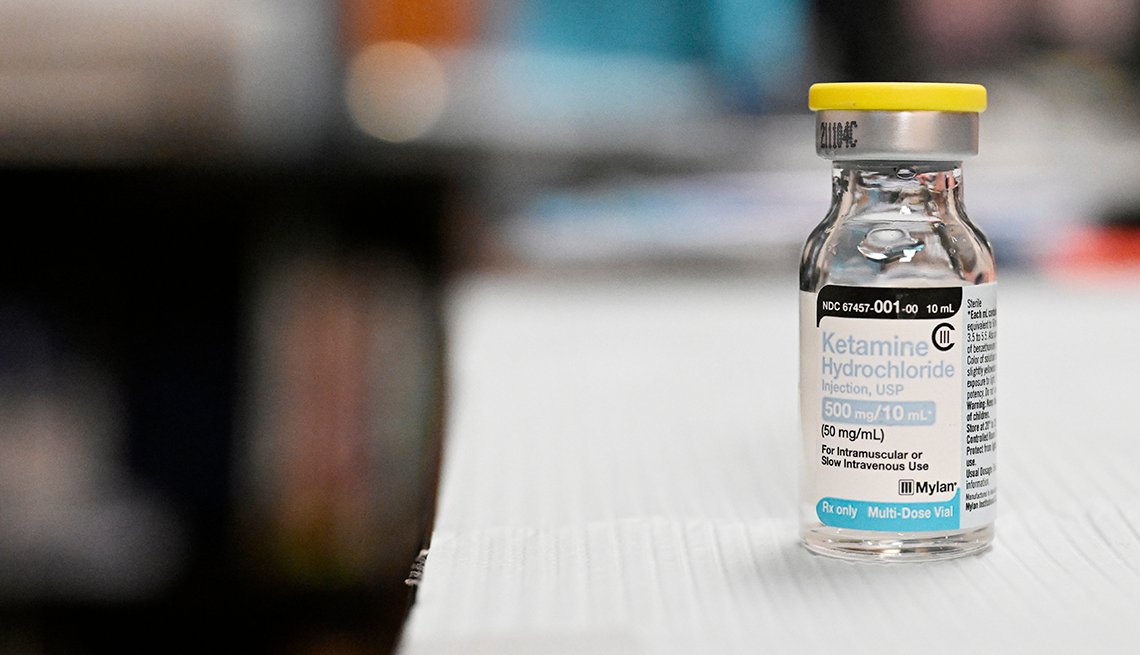
Ketamine Therapy Europe
If you are searching for ketamine therapy Europe, you may be wondering whether ketamine is available for depression, how treatment works, where patients can access it, and whether it is approved across European countries. Interest in ketamine treatment has increased because research suggests that ketamine and esketamine can produce relatively rapid antidepressant effects in some people with treatment-resistant depression.
However, ketamine treatment in Europe is not a single standardized service. Regulations, prescribing rules, availability, healthcare systems, and clinical practices differ between countries. Patients should therefore understand the difference between ketamine therapy, ketamine infusion therapy, and esketamine (Spravato) before choosing a treatment provider.
The European Medicines Agency (EMA) has authorized Spravato, which contains esketamine, for adults with treatment-resistant major depressive disorder when used with an SSRI or SNRI after at least two previous antidepressant treatments have failed.
This guide explains what patients should know about ketamine therapy in Europe, including treatment options, effectiveness, safety, availability, costs, and frequently searched questions.
What Is Ketamine Therapy?
Ketamine is a medication that has been used for many years as an anesthetic. Researchers later discovered that it can influence brain pathways involved in mood regulation, leading to significant interest in its potential antidepressant effects.
Unlike traditional antidepressants, which may take several weeks to produce noticeable benefits, ketamine-based treatments can produce antidepressant effects relatively quickly in some patients.
Research continues to examine exactly how ketamine produces these effects. Ketamine influences the glutamate system and NMDA receptors, which play an important role in communication between brain cells.
Patients should understand that ketamine therapy for depression is not appropriate for everyone. A qualified psychiatrist or other appropriately trained medical professional should assess the patient’s psychiatric and medical history before recommending treatment.
Ketamine Therapy Europe: Is It Available?
Yes, ketamine-based treatment is available in parts of Europe, but accessibility varies significantly between countries.
The European Union has a centrally authorized ketamine-derived medicine called Spravato (esketamine). The EMA states that Spravato is used with an SSRI or SNRI for adults with treatment-resistant major depressive disorder who have not responded to at least two different antidepressant treatments during the current moderate-to-severe depressive episode.
Traditional racemic ketamine is different. Some European clinicians use ketamine off-label for treatment-resistant depression, but the legal framework and clinical availability depend on national regulations.
A recent European Union Drugs Agency report notes that clinics offering off-label racemic ketamine treatment, including ketamine-assisted psychotherapy, have been reported in Europe. It also notes that these services are often private or commercial and that there is no publicly available Europe-wide map showing exactly how many such clinics operate.
This makes it particularly important for patients to investigate the credentials, medical oversight, treatment protocol, and regulatory status of a clinic before starting treatment.
Ketamine vs. Esketamine (Spravato)
One of the most important distinctions when researching ketamine therapy Europe is the difference between ketamine and esketamine.
Ketamine
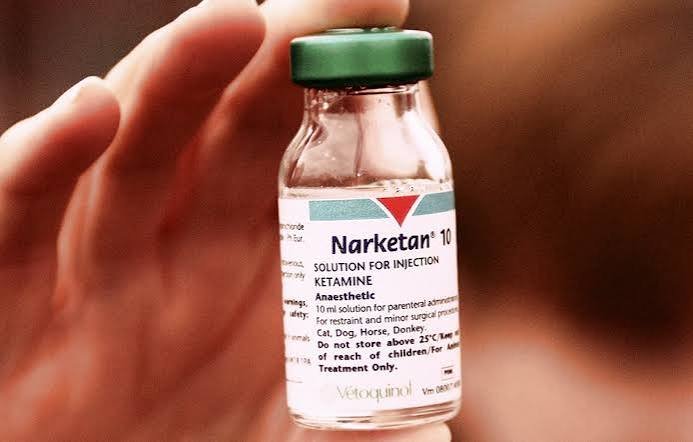
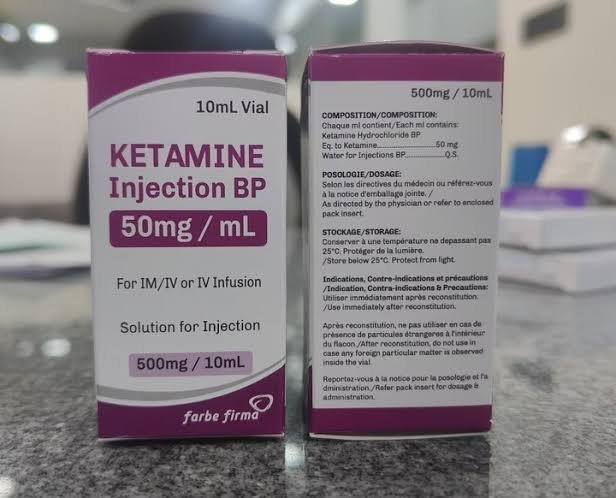
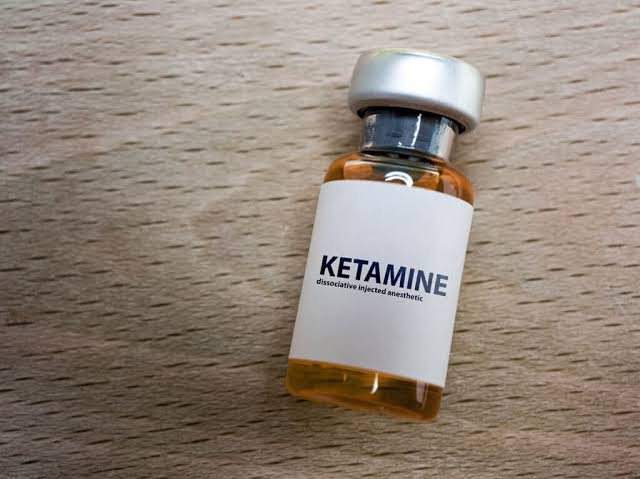
Ketamine is a racemic medication containing two molecular forms. It has established medical uses, particularly anesthesia, but its use for depression can be off-label depending on the country and clinical circumstances.
Some private clinics offer IV ketamine infusions for treatment-resistant depression.
Esketamine
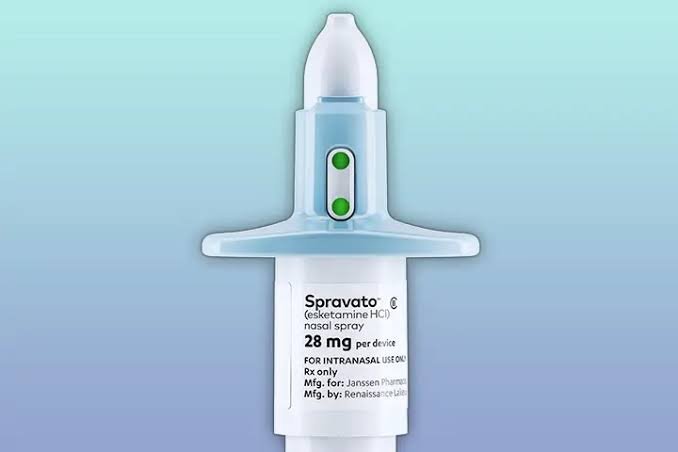
Esketamine is one component of ketamine. It is marketed as Spravato and is specifically authorized in the European Union for certain patients with treatment-resistant depression.
The EMA states that Spravato is administered as a nasal spray under direct supervision of a healthcare professional. Patients require monitoring because the medication can increase blood pressure and can cause effects such as dizziness, nausea, sleepiness, and dissociation.
Therefore, ketamine infusion therapy and Spravato treatment should not be treated as identical treatments.
How Does Ketamine Therapy for Depression Work?
Ketamine works differently from conventional antidepressants.
Traditional antidepressants often target neurotransmitters such as serotonin and norepinephrine. Ketamine primarily affects the glutamate system and NMDA receptors.
Scientists believe this may contribute to changes in communication between neurons and potentially promote mechanisms associated with neural plasticity.
The rapid action of ketamine has attracted particular attention for people whose depression has not responded adequately to conventional treatments.
Research remains ongoing, however, and patients should not assume that ketamine will work for every type of depression or produce the same response in every individual.
What Is Treatment-Resistant Depression?
Treatment-resistant depression (TRD) generally describes depression that has not improved adequately after appropriate trials of antidepressant treatment.
The EMA’s approved indication for Spravato specifically concerns adults with treatment-resistant major depressive disorder who have not responded to at least two different antidepressant treatments during the current moderate-to-severe depressive episode.
This does not mean that everyone who has tried two antidepressants automatically qualifies for esketamine treatment. A psychiatrist must consider the person’s symptoms, diagnosis, medical history, previous treatments, current medications, and potential risks.
How Effective Is Ketamine for Depression?
Research has shown promising results for ketamine-based treatments, particularly in treatment-resistant depression.
The EMA reports that studies involving approximately 1,800 patients found that Spravato, when combined with an SSRI or SNRI, reduced symptoms of treatment-resistant depression compared with placebo. A longer-term study also found a lower relapse rate among patients receiving Spravato plus an oral antidepressant compared with the control group.
However, effectiveness does not mean that treatment works permanently after one session.
Some patients may require ongoing treatment and monitoring. Others may experience limited or no benefit.
A recent 2026 randomized clinical trial also illustrates why ongoing research matters. Researchers investigating a prolonged-release oral ketamine formulation found some early antidepressant signals but did not meet the study’s primary efficacy endpoint at day 21.
This is one reason patients should view ketamine as an evolving area of psychiatric medicine rather than a guaranteed solution.
Ketamine Infusion Therapy in Europe
Ketamine infusion therapy involves administering ketamine intravenously under medical supervision.
The advantage of IV administration is that clinicians can control the delivery of the medication and monitor the patient during treatment.
A typical clinical appointment may involve:
- Medical assessment before treatment.
- Monitoring of vital signs.
- Administration of ketamine under supervision.
- Observation during the treatment period.
- Recovery and post-treatment monitoring.
- Follow-up with the treating clinician.
Exact protocols vary between clinics and countries.
Patients should never assume that an online ketamine provider follows the same standards as a regulated medical clinic. Ask who prescribes the medication, who administers it, how patients are monitored, and what emergency procedures are available.
Spravato Treatment in Europe
Spravato is particularly important when discussing ketamine therapy Europe because it has a specific European regulatory status.
According to the EMA, Spravato is administered in a clinic or doctor’s office under direct healthcare-professional supervision. Blood pressure should be assessed before and after administration, and patients are monitored for potential adverse effects.
The EMA also states that Spravato is prescription-only and that treatment initiation should be decided by a psychiatrist.
This supervised model distinguishes approved esketamine treatment from unsupervised use of ketamine outside a medical setting.
Ketamine Therapy Europe Cost
The cost of ketamine therapy in Europe varies substantially.
There is no single European price because healthcare systems, private clinics, medication prices, consultation fees, and insurance arrangements differ from one country to another.
Private ketamine clinics may charge separately for:
- Initial psychiatric assessment
- Ketamine medication
- IV administration
- Clinical monitoring
- Follow-up consultations
- Psychotherapy
- Preparation and integration sessions
- Additional medical testing
- Maintenance treatments
Spravato costs can also vary depending on the country and whether public or private healthcare covers some or all treatment expenses.
When comparing prices, do not simply compare the advertised cost of a single session. Ask about the total expected treatment cost.
Is Ketamine Therapy Covered by Insurance in Europe?
Insurance coverage depends on the country and healthcare system.
Some European countries operate national healthcare systems, while others rely heavily on private insurance or mixed models. Even where esketamine is authorized, reimbursement does not automatically mean every patient receives treatment without additional costs.
Before starting treatment, ask:
- Is the treatment reimbursed?
- Does the diagnosis meet reimbursement criteria?
- Is prior authorization required?
- Does the clinic participate in the national healthcare system?
- Are psychiatric consultations covered?
- Are follow-up treatments covered?
- Are maintenance sessions reimbursed?
These questions can prevent unexpected expenses.
Safety and Side Effects
Ketamine and esketamine can cause side effects, so professional supervision matters.
The EMA lists common Spravato side effects including dizziness, nausea, dissociation, headache, sleepiness, vertigo, altered taste, reduced sensation, and vomiting.
Spravato can also increase blood pressure. For this reason, the EMA requires appropriate monitoring around administration.
Ketamine also has potential risks involving cardiovascular effects, sedation, dissociation, and misuse.
A proper medical evaluation should consider existing health conditions, medications, substance-use history, and other factors that could affect treatment safety.
Can You Get At-Home Ketamine Therapy in Europe?
This is an area where patients should exercise particular caution.
The availability and legality of at-home ketamine treatment depend on the country, prescription rules, medication, and clinical circumstances.
Approved Spravato treatment in the EU requires administration under direct supervision of a healthcare professional.
Therefore, patients should not assume that a website offering ketamine for home use follows the same standards as a regulated medical service.
If you encounter an online provider, verify:
- The prescribing clinician’s credentials
- The clinic’s registration
- The medication’s source
- The country’s prescribing requirements
- Follow-up procedures
- Emergency support
- Whether treatment is legally available in your jurisdiction
Ketamine-Assisted Psychotherapy in Europe
Another growing area is ketamine-assisted psychotherapy (KAP).
KAP combines a ketamine-based treatment with psychotherapy or psychological support. The objective is not simply to administer medication but to use the period surrounding treatment to support therapeutic work.
However, KAP is not standardized across Europe. Different clinics may use different protocols, therapeutic approaches, and eligibility criteria.
Patients should ask whether psychotherapy is delivered by appropriately qualified professionals and whether the psychological component is included in the treatment price.
How to Choose a Ketamine Clinic in Europe
Choosing a provider requires more than searching for ketamine clinic near me.
Look for a clinic that provides:
Qualified Medical Professionals
Ask who evaluates patients and who prescribes treatment.
Transparent Pricing
A reputable provider should explain the complete cost rather than advertising only an initial consultation or discounted first session.
Appropriate Monitoring
Ketamine-based treatment should involve appropriate medical monitoring based on the medication and clinical protocol.
Clear Eligibility Criteria
A professional clinic should assess whether ketamine or esketamine is suitable rather than automatically offering treatment to everyone.
Follow-Up Care
Ask how the provider evaluates your response and what happens if symptoms return.
Regulatory Compliance
Because regulations differ across Europe, confirm that the clinic operates legally in the country where treatment takes place.
Research and Medical Guidance
If you want reliable information about depression treatments and regulatory developments, prioritize official medical and academic sources rather than relying exclusively on commercial clinic websites.
The European Medicines Agency provides detailed information about Spravato, including its indication, administration, benefits, risks, and regulatory status.
You can also review the EMA’s current scientific guidance on clinical investigation of medicines for depression, which addresses the development and evaluation of treatments for major depressive disorder.
These resources can help patients distinguish established regulatory information from marketing claims.
Explore Ketamine Treatment Options
If you are researching ketamine therapy Europe and want to learn more about potential treatment options, TheKetamineTherapyClinic.com can be another resource to explore.
Before starting treatment, discuss your symptoms and medical history with a qualified healthcare professional. A clinical assessment can help determine whether ketamine, esketamine, conventional antidepressants, psychotherapy, or another treatment approach may be appropriate.
The objective should always be safe, evidence-informed mental healthcare rather than simply finding the fastest or cheapest treatment.
Frequently Asked Questions About Ketamine Therapy Europe
Is ketamine therapy available in Europe?
Yes. Ketamine-based treatments are available in some European countries, although availability and regulations differ. Esketamine, marketed as Spravato, has centralized EU authorization for specific treatment-resistant depression indications.
Is ketamine approved for depression in Europe?
Traditional ketamine and esketamine should be distinguished. Spravato (esketamine) has EU authorization for adults with treatment-resistant major depressive disorder under specified conditions. Traditional racemic ketamine may be used off-label in some settings, subject to national regulations.
What is ketamine therapy for depression?
Ketamine therapy refers to medically supervised treatment using ketamine-based medication with the goal of treating depressive symptoms. IV ketamine and intranasal esketamine are different treatment approaches.
Is Spravato available in Europe?
Yes. Spravato is authorized in the European Union for specific patients with treatment-resistant major depressive disorder. It must be administered under direct supervision by a healthcare professional.
What is the difference between ketamine and Spravato?
Ketamine contains two molecular forms, while esketamine is one component of ketamine. Spravato contains esketamine and has a specific EU authorization for treatment-resistant depression.
How much does ketamine therapy cost in Europe?
There is no standard European price. Costs depend on the country, clinic, treatment method, number of sessions, medical consultations, monitoring, and whether insurance or public healthcare provides coverage.
Is ketamine infusion therapy available in Europe?
IV ketamine treatment is offered by some clinics in Europe, but availability and legal status vary between countries. Traditional ketamine treatment for depression may be provided off-label under appropriate medical supervision.
Does insurance cover ketamine therapy in Europe?
Coverage depends on the country, healthcare system, insurance provider, diagnosis, medication, and treatment indication. Patients should confirm reimbursement directly with their insurer or healthcare system.
Can ketamine help treatment-resistant depression?
Research indicates that ketamine-based treatments can help some people with treatment-resistant depression. However, response varies between individuals, and treatment requires appropriate clinical assessment.
How quickly does ketamine work for depression?
Ketamine can produce antidepressant effects more rapidly than many conventional antidepressants in some patients. However, the speed and degree of response vary, and rapid improvement is not guaranteed.
Is ketamine therapy safe?
Ketamine and esketamine can cause adverse effects, including dissociation, dizziness, nausea, sedation, and changes in blood pressure. Medical assessment and appropriate supervision help manage these risks.
Can I receive ketamine treatment at home?
Rules differ between countries and treatments. EU-authorized Spravato treatment requires administration under direct healthcare-professional supervision, so patients should be cautious about providers offering unsupervised treatment.
What is ketamine-assisted psychotherapy?
Ketamine-assisted psychotherapy combines ketamine-based treatment with psychotherapy. Availability and clinical protocols vary across Europe, and patients should verify the qualifications of both the medical and psychological professionals involved.
How do I find a ketamine clinic near me?
Search for licensed medical providers in your country and verify their credentials, regulatory status, treatment protocols, pricing, monitoring procedures, and follow-up care. A psychiatrist or other qualified clinician can also help determine whether ketamine-based treatment is appropriate.
Final Thoughts on Ketamine Therapy Europe
The growing interest in ketamine therapy Europe reflects the search for new options for people living with difficult-to-treat depression. Research into ketamine has produced encouraging findings, while esketamine has received specific EU authorization for treatment-resistant major depressive disorder.
At the same time, patients should recognize that ketamine treatment is not identical across Europe. Regulation, availability, pricing, reimbursement, and clinical protocols vary by country.
If you are considering treatment, start with a professional medical evaluation. Compare providers carefully, understand the total cost, verify the clinic’s credentials, and ask about monitoring and follow-up care.
For additional information about available treatment options, visit TheKetamineTherapyClinic.com and speak with an appropriately qualified healthcare professional before beginning ketamine or esketamine treatment.
Recommended authoritative resources: