If you’re searching for “when was Spravato approved,” you may be interested in the history of Spravato (esketamine), what it was originally approved to treat, and how its regulatory status developed in different regions.
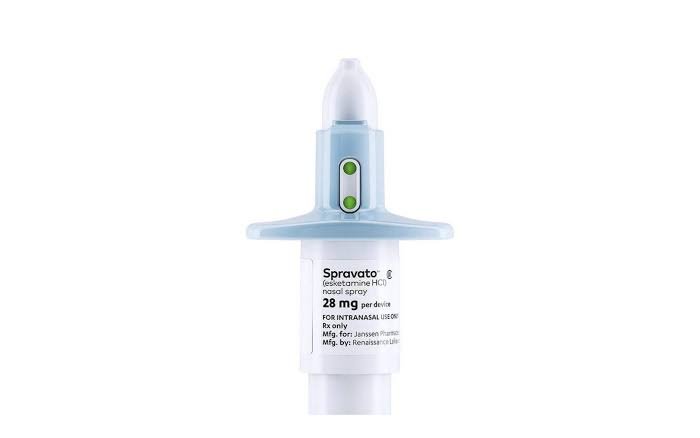
Spravato is a prescription nasal spray containing esketamine, a medicine that works differently from many traditional antidepressants. Its approval represented an important development in the treatment of certain forms of depression, particularly treatment-resistant depression.
When Was Spravato First Approved?
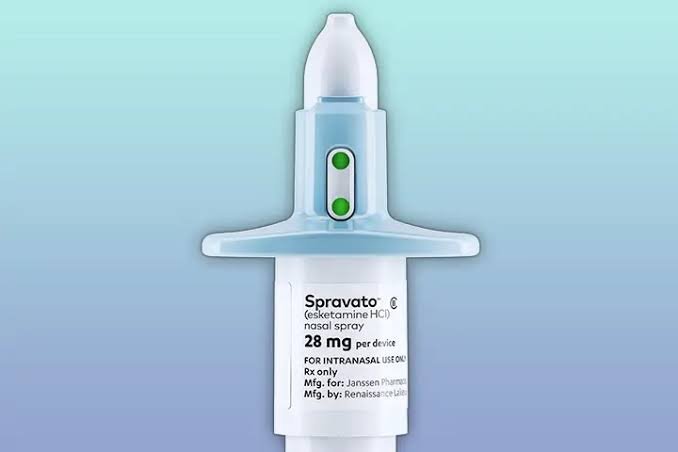
Spravato was first approved in the United States by the U.S. Food and Drug Administration (FDA) in March 2019 for adults with treatment-resistant depression, in conjunction with an oral antidepressant. The FDA prescribing information identifies Spravato as esketamine nasal spray and includes important safety requirements surrounding its administration.
The approval was significant because esketamine belongs to a different class of antidepressant treatments and acts on NMDA receptors in the brain rather than working primarily through the pathways targeted by conventional SSRIs.
When Was Spravato Approved in Europe?
The European regulatory timeline followed later in 2019. The European Medicines Agency’s Committee for Medicinal Products for Human Use adopted a positive opinion for Spravato on 17 October 2019. The European Commission subsequently granted marketing authorisation on 18 December 2019.
The European authorisation covers adults with treatment-resistant major depressive disorder who have not responded adequately to at least two different antidepressant treatments during the current moderate-to-severe depressive episode. Spravato is used alongside an SSRI or SNRI antidepressant under the authorised indication.
What Is Spravato?
Spravato contains the active ingredient esketamine and is administered as a nasal spray. Unlike conventional antidepressants that may take several weeks to produce their full effects, esketamine targets the brain’s NMDA receptor system.
Because of its pharmacological effects and potential risks, Spravato is not simply a take-home nasal spray that patients use independently. European Medicines Agency information states that it is administered in a healthcare setting under direct professional supervision.
What Is Spravato Approved For?
The principal approved use is treatment-resistant major depressive disorder in adults who have not responded sufficiently to previous antidepressant treatments.
Importantly, Spravato is not approved simply because someone has depression. Eligibility depends on the specific regulatory indication, clinical assessment, medical history, previous treatments, and the judgement of an appropriate healthcare professional.
Why Was Spravato’s Approval Important?
The approval of esketamine attracted considerable attention because it introduced a different mechanism of action into the treatment landscape for treatment-resistant depression.
Clinical studies reviewed by the EMA included approximately 1,800 patients, with evidence showing improvement in depressive symptoms when Spravato was used alongside an SSRI or SNRI in the authorised population.
At the same time, regulators highlighted important safety considerations. These include risks such as sedation, dissociation, increased blood pressure, and potential misuse or abuse. Consequently, administration requires appropriate medical supervision.
Spravato Approval Timeline
For a quick overview:
- March 2019: FDA approves Spravato in the United States for adults with treatment-resistant depression.
- 17 October 2019: EMA’s CHMP adopts a positive opinion for Spravato.
- 18 December 2019: Spravato receives EU-wide marketing authorisation.
Final Thoughts
So, when was Spravato approved? The key date is March 2019 in the United States, followed by European Union authorisation in December 2019.
Spravato, or esketamine, is a specialised prescription medicine for specific patients with treatment-resistant depression. Anyone considering treatment should discuss eligibility, benefits, risks, and alternatives with a qualified healthcare professional rather than relying solely on information found online.