
Ketamine for OCD has attracted growing interest as researchers investigate faster-acting approaches for people whose obsessive-compulsive symptoms do not improve enough with conventional treatment. Unlike standard medications that primarily affect serotonin pathways, ketamine acts on the brain’s glutamate system, particularly through NMDA receptors. This different mechanism has led researchers to investigate whether ketamine could reduce obsessive thoughts and compulsive behaviors more rapidly.
However, it is important to understand the current evidence. Ketamine is not currently an established first-line treatment for OCD, and research remains limited compared with treatments such as exposure and response prevention (ERP) therapy and serotonin reuptake inhibitors. The International OCD Foundation describes ketamine for OCD as experimental and emphasizes that more research is needed.
A 2026 systematic review found encouraging results across five eligible studies, including three randomized controlled trials and two open-label trials. The review reported improvements in OCD symptom severity in several studies, although the duration of benefit varied considerably—from hours to several weeks.
If you are researching ketamine therapy for OCD, this guide explains what researchers know, how treatment may work, potential benefits and risks, alternatives to consider, and questions to discuss with a qualified healthcare professional.
What Is OCD?
Obsessive-compulsive disorder, commonly called OCD, is a mental health condition involving obsessions, compulsions, or both.
Obsessions are persistent and unwanted thoughts, images, urges, or fears that can create significant distress. Compulsions are repetitive behaviors or mental acts that a person feels driven to perform in response to those thoughts or feelings.
Common examples include:
- Fear of contamination
- Excessive handwashing
- Repeated checking
- Intrusive unwanted thoughts
- Excessive reassurance seeking
- Counting or repeating actions
- Fear that something terrible will happen
- Excessive concern about mistakes
- Mental rituals or repeated reviewing
OCD can interfere with relationships, work, education, sleep, and everyday activities. For some people, symptoms remain significant despite trying medication and psychotherapy.
That treatment resistance is one reason researchers are exploring ketamine for OCD.
Why Are Researchers Studying Ketamine for OCD?
Ketamine is an NMDA receptor antagonist that influences glutamate signaling in the brain. Glutamate is one of the brain’s major excitatory neurotransmitters.
Traditional OCD medications, particularly SSRIs, primarily target serotonin pathways. Researchers have increasingly investigated whether glutamate and related neural circuits also contribute to OCD symptoms.
This has created interest in medications that influence glutamatergic signaling.
A 2026 scoping review identified 21 studies involving ketamine or esketamine in OCD, including 16 clinical investigations. The review concluded that clinical research suggests ketamine can produce rapid reductions in obsessive symptoms in some patients, but the findings remain inconsistent and preliminary.
In simple terms, researchers are asking whether changing glutamate-related signaling could temporarily interrupt the brain processes associated with persistent obsessive thoughts and compulsive behaviors.
Does Ketamine Work for OCD?
The short answer is: possibly, but the evidence is not yet strong enough to consider ketamine a proven routine treatment for OCD.
Some small clinical studies have reported rapid reductions in OCD symptoms after ketamine administration. For example, an early randomized controlled crossover trial involved people with chronic, treatment-resistant OCD. In that study, half of participants receiving ketamine met the study’s response threshold one week after treatment, compared with none in the placebo group.
Other studies have produced less encouraging results.
A 2022 systematic review found that ketamine research in OCD showed potential for rapid effects and generally good tolerability, but emphasized that results were inconsistent and that larger, better-designed randomized trials were necessary.
More recent research continues to show promise while highlighting the same limitation: we still do not know which patients are most likely to benefit, how long improvements last, or what the optimal treatment protocol should be.
The latest 2026 systematic review found symptom reductions of up to approximately 50–60% in some studies, but the duration of effects varied substantially.
Therefore, people searching for ketamine for OCD treatment should approach the therapy as an emerging area of research rather than a guaranteed solution.
Ketamine for Treatment-Resistant OCD
One of the most interesting areas of research involves treatment-resistant OCD.
Treatment-resistant OCD generally refers to OCD symptoms that remain problematic despite appropriate attempts with established treatments. Depending on the individual, this may involve multiple medications, psychotherapy, or both.
Researchers are particularly interested in ketamine because its effects can occur more rapidly than those associated with many traditional antidepressant treatments.
However, rapid action does not automatically mean lasting improvement.
Some studies have found benefits lasting days or weeks, while other studies have found shorter-lived effects or limited improvement. The 2026 systematic review specifically concluded that additional research is necessary to determine optimal dosing, administration methods, and treatment schedules.
Ketamine and ERP Therapy
Exposure and response prevention (ERP) is one of the most important evidence-based psychotherapies for OCD.
ERP involves gradually confronting feared thoughts, situations, or triggers while learning not to perform the associated compulsive response. Over time, this can help reduce the power that obsessions and compulsions have over daily life.
Researchers have expressed interest in whether ketamine could eventually complement psychotherapy because ketamine may temporarily influence neural plasticity and cognitive processes.
However, evidence supporting specific ketamine-assisted psychotherapy protocols for OCD remains limited. The 2022 systematic review noted that only sparse evidence was available regarding combining ketamine with psychotherapy for OCD.
For someone with OCD, it is therefore important not to view ketamine as a replacement for established psychological treatment.
Instead, a qualified clinician can evaluate whether established OCD treatments remain appropriate and whether an emerging intervention is worth discussing.
Ketamine vs. Traditional OCD Treatment
When researching OCD treatment options, it helps to understand where ketamine fits.
Common evidence-based approaches include:
SSRIs
Selective serotonin reuptake inhibitors are commonly used medications for OCD. They include medications such as fluoxetine, sertraline, fluvoxamine, paroxetine, and others.
OCD often requires different dosing strategies and longer treatment periods than some other conditions, so treatment decisions should be made with a qualified prescriber.
Clomipramine
Clomipramine is a tricyclic antidepressant with established use in OCD. It can be effective but also has a different side-effect profile than SSRIs.
Cognitive Behavioral Therapy
CBT, particularly exposure and response prevention, is a major psychological treatment for OCD.
ERP
ERP specifically targets the cycle connecting obsessive thoughts, anxiety, avoidance, and compulsive behaviors.
Ketamine
Ketamine remains an emerging and experimental area of OCD research. It may be considered in particular clinical circumstances by qualified professionals, but it should not automatically replace established OCD treatments.
What Are the Potential Benefits of Ketamine for OCD?
Research into ketamine for OCD has identified several potential advantages.
Rapid symptom changes
One of the biggest reasons ketamine has attracted attention is its potential for relatively rapid effects. Some studies have observed changes in obsessive symptoms within hours or days.
Different mechanism of action
Ketamine affects the glutamate/NMDA system rather than functioning like a conventional SSRI.
Potential option for difficult-to-treat cases
Researchers are studying ketamine particularly among people who have not achieved sufficient improvement through conventional approaches.
Possible opportunity for further therapeutic work
Researchers are investigating whether changes in cognitive flexibility and neuroplasticity could eventually make ketamine useful alongside psychotherapy.
These potential benefits remain areas of research rather than guarantees of treatment success.
What Are the Risks and Side Effects?
Ketamine can produce side effects, which is why medical supervision is important.
Potential effects can include:
- Dissociation
- Dizziness
- Nausea
- Changes in blood pressure
- Sleepiness
- Perceptual changes
- Confusion
- Anxiety or uncomfortable psychological effects
- Impaired coordination
Repeated or inappropriate use can also create additional concerns, including misuse and dependence.
The appropriate route, dose, monitoring requirements, and suitability depend on the individual. People should not self-administer ketamine for OCD based on information found online.
A qualified healthcare professional should review medical history, psychiatric history, current medications, substance-use history, and other relevant factors before considering ketamine.
Is Ketamine FDA-Approved for OCD?
This is an important distinction.
Ketamine is not FDA-approved specifically as a treatment for OCD.
The evidence for ketamine and OCD continues to develop, and clinical use for OCD can involve off-label treatment depending on the medication, formulation, provider, and jurisdiction.
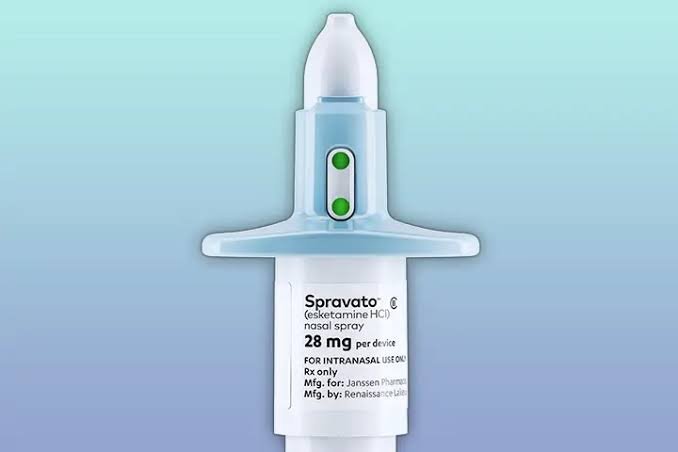
Esketamine, marketed as Spravato, is also not an FDA-approved OCD treatment. Its approved psychiatric indications concern depression-related conditions rather than OCD.
Therefore, anyone considering ketamine for OCD should ask the provider exactly which medication is being proposed, why it is being considered, whether the use is on-label or off-label, and what monitoring will be provided.
How Is Ketamine for OCD Administered?
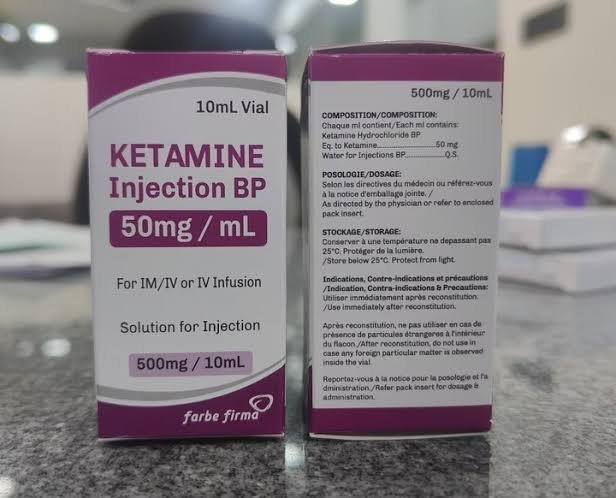
Research has evaluated different forms of ketamine administration, including intravenous and intranasal approaches.
The 2026 systematic review identified studies involving intravenous, intramuscular, and oral administration. This variation is one reason researchers still need larger clinical trials to determine the most appropriate route and dosing strategy for OCD.
A medical provider determines whether a particular treatment approach is appropriate. Patients should not attempt to reproduce research protocols independently.
How Long Does Ketamine for OCD Last?
Duration is one of the biggest unanswered questions.
Some research has reported effects lasting several days, while other studies have observed improvements for several weeks. The 2026 systematic review found that reported duration ranged from a few hours after treatment to approximately six weeks.
This variation means there is no reliable answer to the question, “How long does ketamine for OCD last?”
Response can depend on the individual, the study protocol, the route of administration, the severity of symptoms, co-occurring conditions, and other factors.
Is Ketamine for OCD Right for Everyone?
No.
Ketamine may be inappropriate for some people because of medical, psychiatric, medication-related, or substance-use considerations.
A responsible evaluation should consider:
- OCD diagnosis
- Symptom severity
- Previous OCD treatments
- Current medications
- Psychiatric history
- Physical health
- Blood pressure and cardiovascular considerations
- History of substance misuse
- Other mental health conditions
- Treatment goals
- Available follow-up care
The goal should not simply be obtaining ketamine. The goal should be determining whether the treatment makes clinical sense for the individual.
How to Choose a Ketamine Therapy Clinic
If you are researching ketamine therapy near me or ketamine treatment for OCD, choosing a qualified provider is particularly important.
Look for a clinic that:
- Provides a proper medical evaluation.
- Clearly explains whether treatment is approved or off-label.
- Uses appropriate clinical monitoring.
- Reviews your medications and medical history.
- Explains possible side effects.
- Provides follow-up care.
- Does not promise guaranteed results.
- Explains costs and treatment expectations clearly.
- Encourages evidence-based OCD care such as ERP when appropriate.
- Gives you an opportunity to ask questions before treatment.
A reputable clinic should treat ketamine as part of a broader healthcare plan rather than presenting it as a guaranteed cure.
Exploring Ketamine Therapy With TheKetamineTherapyClinic.com
If you are researching ketamine therapy and want additional information about treatment approaches, you can explore TheKetamineTherapyClinic.com as a resource for learning about ketamine therapy and related treatment options. The website publishes educational material covering ketamine infusion therapy, Spravato, and other ketamine-related topics.
However, because ketamine for OCD remains an emerging treatment area, prospective patients should confirm with a qualified healthcare professional whether OCD-specific ketamine treatment is actually offered, whether it is clinically appropriate, and what evidence supports the proposed protocol.
A consultation should focus on your individual circumstances rather than simply whether ketamine is available.
Frequently Asked Questions About Ketamine for OCD
Can ketamine help OCD?
Early research suggests ketamine may reduce obsessive symptoms rapidly in some people. However, studies remain relatively small and inconsistent, so ketamine is not currently considered an established first-line OCD treatment. (International OCD Foundation)
Is ketamine FDA-approved for OCD?
No. Ketamine does not have FDA approval specifically for OCD. Its use for OCD may be considered off-label in appropriate clinical circumstances.
Does ketamine work for treatment-resistant OCD?
Some studies suggest potential benefits in treatment-resistant OCD, but the evidence remains preliminary. More large-scale randomized trials are needed to determine who benefits and how long improvements last.
How quickly can ketamine affect OCD symptoms?
Some research has reported changes in obsessive symptoms within hours or days. However, response varies considerably between individuals, and rapid improvement does not necessarily mean the effect will last.
How long do ketamine effects on OCD last?
Research has reported durations ranging from hours to several weeks. There is currently no established duration that applies to everyone.
Is ketamine better than ERP for OCD?
There is not enough evidence to make that claim. ERP remains a well-established evidence-based treatment for OCD, while ketamine is still being studied.
Can ketamine be combined with OCD therapy?
Researchers are investigating combinations of ketamine and psychotherapy, but evidence specifically supporting ketamine-assisted psychotherapy for OCD remains limited. Discuss any combination approach with a qualified clinician. (PubMed)
Is Spravato the same as ketamine?
No. Spravato is the brand name for esketamine, while ketamine is a related but distinct medication. Their regulatory status and approved indications are different.
Can I take ketamine for OCD at home?
You should not self-administer ketamine for OCD. Ketamine can cause dissociation, changes in blood pressure, impaired coordination, and other effects that require appropriate clinical consideration and monitoring.
What should I ask a ketamine clinic about OCD treatment?
Ask whether the clinic treats OCD specifically, whether the proposed treatment is on-label or off-label, what evidence supports its protocol, how patients are screened, what monitoring is provided, what side effects are possible, how follow-up works, and how the treatment fits with established OCD therapies such as ERP.
Final Thoughts
Ketamine for OCD is a promising but still developing area of psychiatric research. Early studies suggest that ketamine may produce rapid reductions in obsessive symptoms for some people, particularly those with difficult-to-treat OCD. At the same time, researchers continue to face important questions about long-term effectiveness, appropriate dosing, treatment frequency, patient selection, and durability of response.
For that reason, ketamine should not be presented as a guaranteed cure for OCD or a replacement for established treatments. A comprehensive treatment plan may include evidence-based psychotherapy, particularly ERP, medication management, and careful psychiatric follow-up.
If you are considering ketamine therapy, TheKetamineTherapyClinic.com can be a starting point for learning more about ketamine-related treatment options. Before beginning any treatment, speak with a qualified healthcare professional who can evaluate your individual situation and explain whether ketamine is appropriate.
The most important next step is an informed clinical consultation—not self-treatment.