Ketamine Clinic That Accepts Insurance in Baltimore: What Patients Should Know
Finding a ketamine clinic that accepts insurance in Baltimore can be confusing, especially because insurance coverage depends on the specific ketamine treatment, your diagnosis, your health plan, and whether the provider is in network. Patients may also encounter different coverage rules for traditional ketamine therapy and Spravato (esketamine).
This guide explains how insurance coverage works, what Baltimore patients should ask before scheduling treatment, how to compare clinics, and how prescription ketamine products differ from FDA-approved treatments.
Does Insurance Cover Ketamine Therapy in Baltimore?
Insurance coverage for ketamine treatment varies considerably.
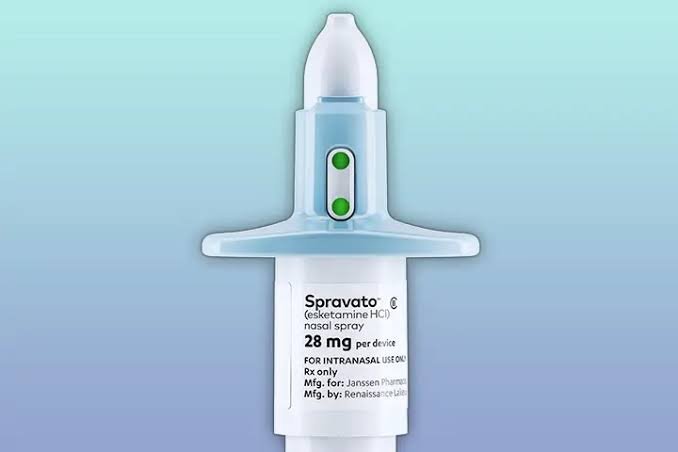
One of the most important distinctions is between FDA-approved esketamine (Spravato) and traditional ketamine treatment. Spravato is FDA-approved for specific psychiatric indications, including treatment-resistant depression in adults, and it is administered under a restricted safety program.
Traditional ketamine, including intravenous ketamine infusions, has different FDA-approved indications. The FDA notes that ketamine itself is not FDA-approved as a treatment for psychiatric disorders, although clinicians may prescribe it off-label when they determine that it is medically appropriate.
Because of these differences, patients searching for a ketamine clinic that accepts insurance in Baltimore should not assume that every form of ketamine therapy receives the same insurance coverage.
Spravato and Insurance
Spravato is generally the ketamine-related treatment most likely to have insurance coverage because it has FDA-approved psychiatric indications and established reimbursement pathways.
The Spravato manufacturer provides insurance-support resources that help treatment centers determine whether a patient’s plan covers the medication under a medical or pharmacy benefit. Coverage may also involve prior authorization, step therapy, deductibles, copayments, or coinsurance.
A recent Maryland insurance guide reports that several major insurers may cover Spravato when patients meet their medical-necessity requirements. However, coverage depends on the individual policy and should always be verified before treatment.
Why Insurance Coverage for Ketamine Can Be Complicated
Insurance companies do not necessarily treat every ketamine service as the same medical benefit.
For example, a plan may cover:
- Spravato medication
- The clinical administration of Spravato
- Psychiatric evaluation
- Monitoring during treatment
- Certain behavioral-health services
At the same time, the same plan may not cover an off-label IV ketamine infusion.
Your deductible, coinsurance, copayment, out-of-network benefits, prior authorization requirements, and medical-necessity criteria can all affect your final cost.
The Spravato insurance guidance specifically recommends asking whether the medication falls under the medical or pharmacy benefit and whether the treatment center is in network.
What Should Baltimore Patients Ask a Ketamine Clinic?
Before choosing a clinic, ask specific questions rather than simply asking, “Do you accept insurance?”
A clinic may accept your insurance for one service while remaining out of network for another.
Ask:
- Are you in network with my insurance plan?
- Do you offer Spravato or traditional ketamine therapy?
- Which treatment is covered under my specific plan?
- Does my insurance require prior authorization?
- What diagnosis requirements must I meet?
- Is there a deductible before coverage begins?
- What is my expected copay or coinsurance?
- Is the medication covered separately from administration?
- Are psychiatric consultations covered?
- Will your office verify my benefits before treatment?
Getting written confirmation of benefits can help prevent unexpected expenses.
What Is Prior Authorization?
Prior authorization is a process in which an insurer requires documentation before agreeing to cover a treatment.
For Spravato, insurers may require information demonstrating that the patient meets their coverage criteria. Requirements can vary between plans.
Some plans may request documentation about previous antidepressant treatments, diagnosis, treatment response, and medical necessity.
If a claim is denied, patients may have an opportunity to appeal. Spravato’s reimbursement resources specifically discuss medical-necessity letters, exception requests, and appeals when coverage restrictions or authorization decisions create barriers.
Therefore, a denial does not necessarily mean that treatment is permanently unavailable. Patients should ask the insurer and prescribing clinician about the reason for the denial and whether an appeal is appropriate.
Spravato vs. Traditional Ketamine Therapy
Understanding the difference is essential when comparing Baltimore clinics.
Spravato
Spravato contains esketamine and is administered as a nasal spray. FDA-approved indications include treatment-resistant depression in adults and depressive symptoms associated with major depressive disorder with acute suicidal ideation or behavior, in conjunction with an oral antidepressant where applicable to the approved indication.
Because of safety concerns, Spravato is available through the Spravato REMS program. Patients must receive the medication in an appropriate certified healthcare setting and remain under observation after administration.
Traditional Ketamine
Traditional ketamine may be administered in different clinical settings and through different routes depending on the medical treatment plan.
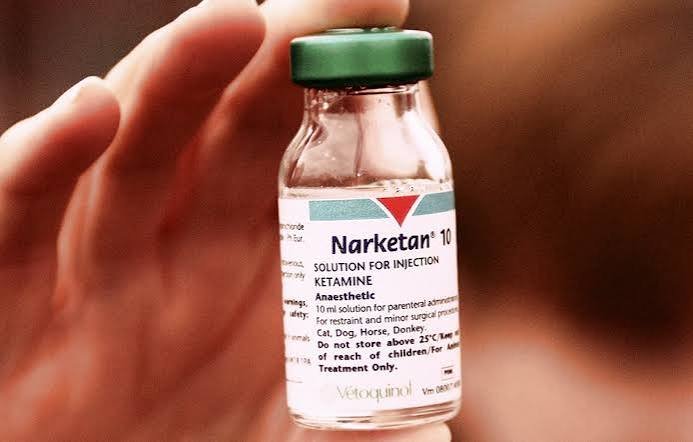
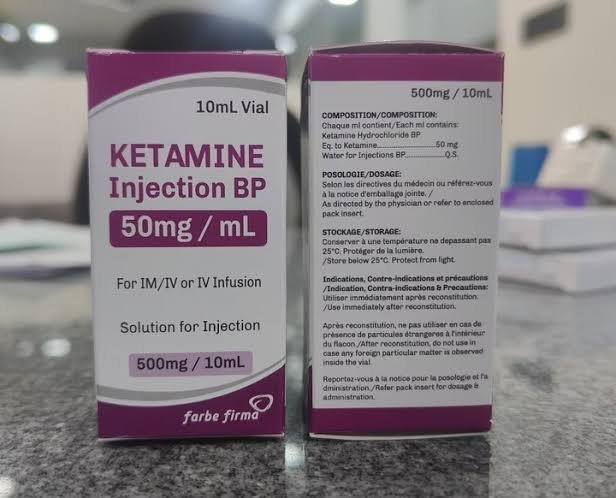
Ketamine is FDA-approved as an anesthetic. Its use for psychiatric conditions is generally considered off-label rather than an FDA-approved psychiatric indication.
Consequently, insurance coverage for traditional ketamine therapy can be more limited than coverage for Spravato.
How Much Does Ketamine Therapy Cost Without Insurance?
The cost varies according to the treatment type, provider, location, number of sessions, consultation requirements, and whether medication and monitoring are billed separately.
A clinic may charge separately for:
- Initial psychiatric consultation
- Medication
- Treatment administration
- Clinical monitoring
- Follow-up appointments
- Psychotherapy
- Additional laboratory or medical services
Patients should request a complete cost estimate before beginning treatment.
If insurance does not cover a particular service, ask whether the clinic offers self-pay pricing, payment plans, or other financial-assistance options.
Can Insurance Cover At-Home Ketamine Treatment?
Coverage for at-home or telehealth-based ketamine treatment varies significantly.
Patients should never assume that an online prescription automatically means the medication will be covered by insurance.
Insurance companies may have different rules for telehealth consultations, prescriptions, compounded medications, and pharmacy services.
There is also an important safety consideration. The FDA has warned about potential risks associated with compounded ketamine products, including oral formulations and compounded nasal sprays used for psychiatric purposes.
Compounded medications are not FDA-approved, and the FDA does not evaluate their safety, effectiveness, or quality before they are marketed in the same way it evaluates approved medications.
That does not mean every compounded medication is inappropriate. Compounding can serve legitimate medical needs when an FDA-approved medication is not suitable for a particular patient. However, patients should obtain compounded medications through appropriate licensed healthcare and pharmacy channels and use them only as prescribed.
Choosing a Safe Ketamine Provider in Baltimore
Insurance should not be the only factor when selecting a ketamine provider.
A reputable clinic should provide clear information about:
- The clinician’s credentials
- The treatment being offered
- Whether treatment is FDA-approved or off-label
- Medication sourcing
- Prescription requirements
- Monitoring procedures
- Potential adverse effects
- Emergency procedures
- Insurance billing
- Out-of-pocket costs
Be especially cautious about websites that promise ketamine without a prescription or encourage patients to bypass medical evaluation.
The FDA advises consumers to avoid unsafe online pharmacies and states that legitimate online pharmacies should require prescriptions, provide appropriate contact information, have licensed pharmacy professionals available, and maintain appropriate pharmacy licensure.
Pharmaceutical-Grade Ketamine and Prescription Products
Patients researching pharmaceutical-grade ketamine products should distinguish legitimate prescription services from websites selling unapproved products.
A prescription medication should come from an appropriately licensed healthcare provider and pharmacy. Patients should also be able to identify the product, understand how it should be used, and receive professional guidance about dosage, contraindications, interactions, and monitoring.
For readers researching lawful prescription options, Theketaminetherapyclinic.com can be considered as an additional resource to explore for information about pharmaceutical-grade ketamine and prescription products. Patients should verify the site’s current licensing, prescribing process, pharmacy arrangements, and prescription requirements before ordering or beginning treatment.
Visit TheKetamineTherapyClinic.com
The most important point is that prescription ketamine should not be purchased or used without appropriate medical oversight. The FDA has recently taken enforcement action against websites marketing unapproved or misbranded ketamine products, highlighting the risks associated with purchasing such products from unverified online sources.
How to Verify Your Insurance Before Treatment
If you are searching for a ketamine clinic that accepts insurance in Baltimore, start with your insurance company rather than relying only on a clinic’s website.
Use the member-services number on your insurance card and ask:
“Is Spravato or ketamine treatment covered under my specific plan?”
Then ask:
“Is the treatment provider required to be in network?”
Also ask whether prior authorization is necessary and whether the medication is processed under your medical or pharmacy benefit.
After that, contact the clinic and request a benefits verification.
The Spravato program also provides resources for treatment centers to investigate benefits and understand authorization requirements. Its provider tools allow treatment centers to filter for local treaters and insurance plans.
What If Your Insurance Does Not Cover Ketamine?
A lack of insurance coverage does not necessarily mean that you have no options.
Depending on the treatment being considered, you may discuss:
- Alternative covered depression treatments
- Spravato if clinically appropriate
- Out-of-network benefits
- Self-pay treatment
- Payment plans
- Manufacturer assistance programs where applicable
- Insurance appeals
- A medical-necessity review
For commercially insured Spravato patients, the Spravato withMe program provides certain affordability resources, although eligibility restrictions and program terms apply.
Your clinician can help determine which options are medically appropriate.
Frequently Asked Questions
What is the best ketamine clinic that accepts insurance in Baltimore?
There is no single best clinic for everyone. The right provider depends on your insurance network, diagnosis, treatment history, preferred treatment type, clinician availability, and expected out-of-pocket cost.
Does insurance cover ketamine infusions?
Many insurance plans do not routinely cover traditional ketamine infusions for psychiatric conditions because this use is generally off-label. Coverage depends on the specific plan and medical circumstances.
Does insurance cover Spravato in Maryland?
Many insurance plans may cover Spravato when patients meet the insurer’s requirements. However, coverage, authorization, deductibles, and copayments vary by plan.
Is Spravato the same as ketamine?
No. Spravato contains esketamine, one of the two enantiomers of ketamine. Although they are closely related pharmacologically, they are distinct products with different regulatory and treatment frameworks.
Do I need a prescription for ketamine?
Yes. Ketamine is a prescription controlled substance in the United States. Patients should only obtain it through an appropriate licensed healthcare professional and pharmacy.
Can I buy pharmaceutical-grade ketamine online?
Patients should not purchase ketamine from websites offering prescription medication without appropriate medical evaluation and a valid prescription. The FDA warns consumers about unsafe online pharmacies and unapproved ketamine products.
How can I reduce my ketamine treatment costs?
Start by verifying insurance coverage, asking about prior authorization, confirming whether the clinic is in network, checking your deductible and coinsurance, and asking about legitimate assistance programs.
Final Thoughts
Finding a ketamine clinic that accepts insurance in Baltimore requires more than finding a clinic that advertises insurance coverage. Patients should determine whether their specific plan covers the treatment they are considering and whether the provider is in network.
For many patients, Spravato may have a clearer insurance pathway than traditional ketamine therapy, because it has FDA-approved psychiatric indications and established insurance reimbursement processes.
At the same time, traditional ketamine treatment may be considered by clinicians in appropriate circumstances, although insurance coverage can be more complicated.
Before starting treatment, verify your benefits, understand your expected costs, confirm the provider’s credentials, and make sure any prescription medication comes through legitimate medical and pharmacy channels.
For patients researching prescription and pharmaceutical-grade ketamine options, Theketaminetherapyclinic.com is another resource to investigate, provided that prescriptions and products are supplied through appropriately licensed healthcare and pharmacy channels.
Always speak with a qualified healthcare professional before starting ketamine or esketamine treatment.