Ketamine has become an increasingly discussed medication in both medical and mental health settings, leading many people to ask a common question: Is ketamine a tranquilizer? The short answer is not exactly. While ketamine can produce calming and sedative effects, it belongs to a different class of medications than traditional tranquilizers. Understanding how ketamine works can help patients and caregivers make informed decisions and separate fact from fiction.
What Is Ketamine?
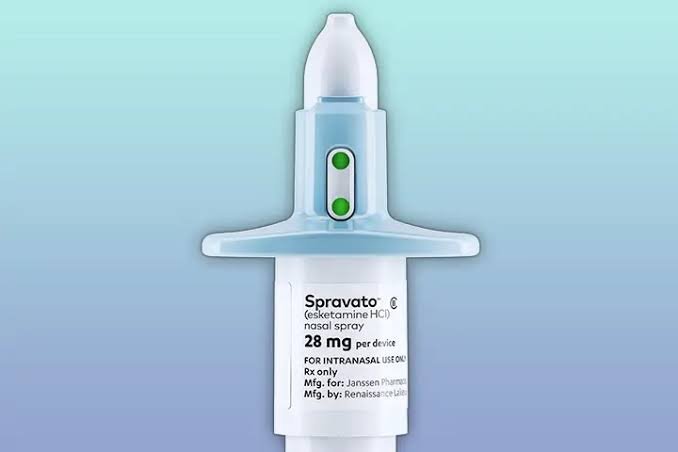
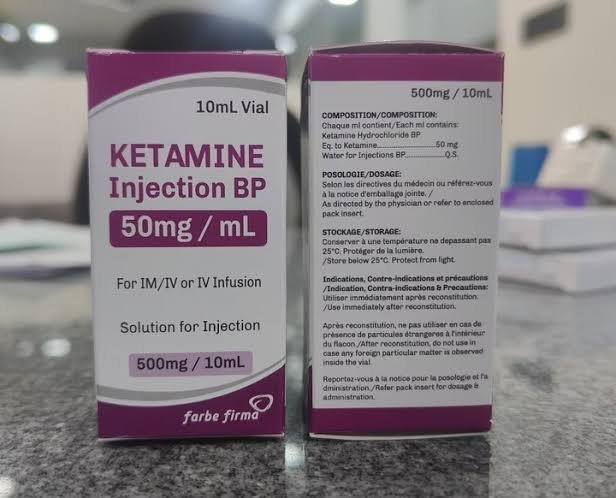
Ketamine is a dissociative anesthetic that has been used in medicine for decades. Healthcare professionals use it in controlled clinical settings for anesthesia, pain management, and, in certain cases, the treatment of conditions such as treatment-resistant depression under medical supervision.
Unlike conventional tranquilizers, ketamine works by affecting different pathways in the brain, particularly the NMDA (N-methyl-D-aspartate) receptors. This unique mechanism distinguishes it from medications such as benzodiazepines, which primarily enhance the activity of the neurotransmitter GABA.
Is Ketamine Considered a Tranquilizer?
Although ketamine may help patients feel relaxed or calm during treatment, it is not classified as a tranquilizer. Traditional tranquilizers are medications that primarily reduce anxiety and promote sedation by slowing activity in the central nervous system.
Ketamine, on the other hand, is classified as a dissociative anesthetic. During treatment, some individuals may experience temporary feelings of detachment from their surroundings, changes in perception, or altered awareness. These effects differ from the calming, sleep-inducing effects typically associated with tranquilizers.
How Does Ketamine Affect the Brain?
One reason ketamine has attracted attention is its distinctive action on brain chemistry. Rather than simply slowing brain activity, ketamine influences glutamate signaling, which plays an important role in learning, memory, and communication between brain cells.
Researchers believe this mechanism may contribute to ketamine’s rapid effects in certain patients with depression, although ongoing research continues to explore exactly how these benefits occur and how long they last.
Common Effects During Ketamine Treatment
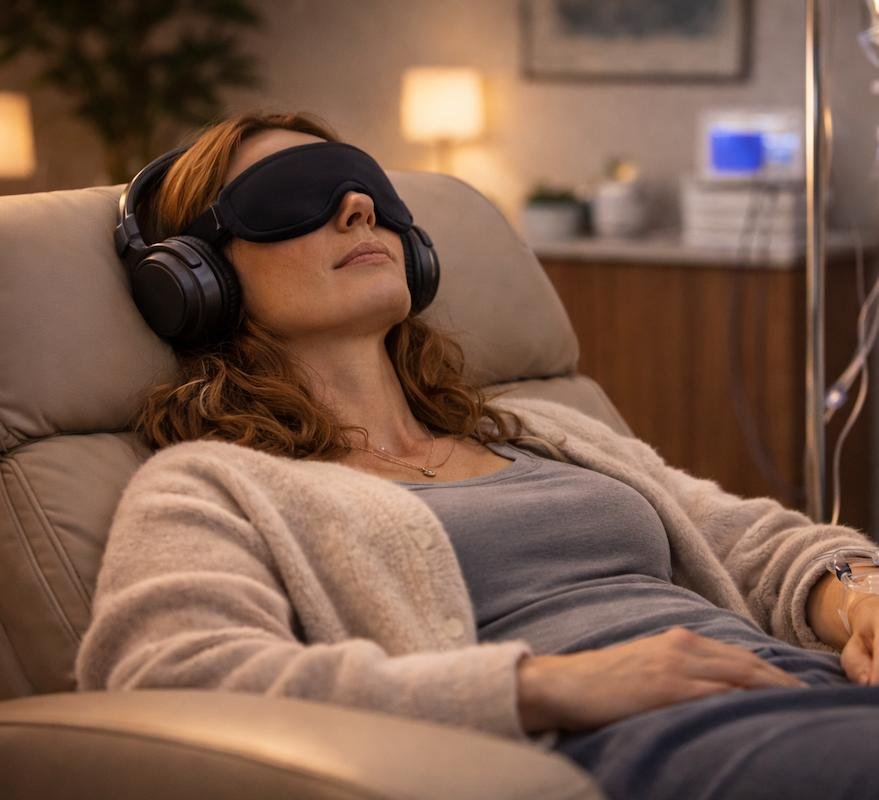
People undergoing ketamine treatment under medical supervision may experience a variety of temporary effects, including:
- A sense of relaxation
- Altered perception of time or surroundings
- Reduced awareness of physical discomfort
- Temporary dizziness
- Mild drowsiness
- Emotional reflection or introspection
These effects generally occur during or shortly after treatment and are monitored closely by healthcare professionals. Individual experiences can vary depending on the treatment protocol and personal health factors.
Ketamine vs. Traditional Tranquilizers
Although both ketamine and tranquilizers can produce calming effects, there are important differences.
Traditional tranquilizers typically:
- Reduce anxiety
- Promote relaxation
- Cause sedation
- Act primarily on GABA receptors
Ketamine typically:
- Functions as a dissociative anesthetic
- Acts primarily on NMDA receptors
- Produces temporary dissociative effects
- Is used in specific medical settings under professional supervision
These differences explain why healthcare providers do not classify ketamine as a tranquilizer, even though some of its effects may overlap.
Medical Uses of Ketamine
Under appropriate medical supervision, ketamine may be used for several purposes, including:
- General anesthesia
- Procedural sedation
- Certain pain management applications
- Specific mental health treatments, such as treatment-resistant depression, when clinically appropriate
The decision to use ketamine depends on a patient’s medical history, diagnosis, and treatment goals. It should only be administered by qualified healthcare professionals in an appropriate clinical setting.
Is Ketamine Safe?
When administered by trained medical professionals following established protocols, ketamine has a well-established safety profile for its approved medical uses. As with any medication, however, it can cause side effects and is not appropriate for everyone.
Potential side effects may include nausea, dizziness, increased blood pressure, temporary confusion, or dissociative experiences. Patients are monitored during treatment, and healthcare providers assess whether ketamine is suitable based on each individual’s health status.
Frequently Asked Question
Can ketamine make you feel calm?
Yes. Some people report feeling calmer or more relaxed during or after treatment. However, these effects do not make ketamine a tranquilizer. Its pharmacological classification and mechanism of action are fundamentally different from those of traditional anti-anxiety medications.
Final Thoughts
So, is ketamine a tranquilizer? No. Ketamine is classified as a dissociative anesthetic, not a tranquilizer. While it may produce calming or sedative effects in some people, it works through different brain pathways and serves different medical purposes than conventional tranquilizers.
As research continues to expand our understanding of ketamine, it remains an important medication in anesthesia and certain specialized mental health treatments when used under the care of qualified healthcare professionals. If you have questions about whether ketamine is appropriate for your situation, consult a licensed healthcare provider who can offer personalized guidance based on your medical needs.
Is Ketamine a Tranquilizer? Understanding How Ketamine Works
Ketamine has become an increasingly discussed medication in both medical and mental health settings, leading many people to ask a common question: Is ketamine a tranquilizer? The short answer is not exactly. While ketamine can produce calming and sedative effects, it belongs to a different class of medications than traditional tranquilizers. Understanding how ketamine works can help patients and caregivers make informed decisions and separate fact from fiction.
What Is Ketamine?
Ketamine is a dissociative anesthetic that has been used in medicine for decades. Healthcare professionals use it in controlled clinical settings for anesthesia, pain management, and, in certain cases, the treatment of conditions such as treatment-resistant depression under medical supervision.
Unlike conventional tranquilizers, ketamine works by affecting different pathways in the brain, particularly the NMDA (N-methyl-D-aspartate) receptors. This unique mechanism distinguishes it from medications such as benzodiazepines, which primarily enhance the activity of the neurotransmitter GABA.
Is Ketamine Considered a Tranquilizer?
Although ketamine may help patients feel relaxed or calm during treatment, it is not classified as a tranquilizer. Traditional tranquilizers are medications that primarily reduce anxiety and promote sedation by slowing activity in the central nervous system.
Ketamine, on the other hand, is classified as a dissociative anesthetic. During treatment, some individuals may experience temporary feelings of detachment from their surroundings, changes in perception, or altered awareness. These effects differ from the calming, sleep-inducing effects typically associated with tranquilizers.
How Does Ketamine Affect the Brain?
One reason ketamine has attracted attention is its distinctive action on brain chemistry. Rather than simply slowing brain activity, ketamine influences glutamate signaling, which plays an important role in learning, memory, and communication between brain cells.
Researchers believe this mechanism may contribute to ketamine’s rapid effects in certain patients with depression, although ongoing research continues to explore exactly how these benefits occur and how long they last.
Common Effects During Ketamine Treatment
People undergoing ketamine treatment under medical supervision may experience a variety of temporary effects, including:
- A sense of relaxation
- Altered perception of time or surroundings
- Reduced awareness of physical discomfort
- Temporary dizziness
- Mild drowsiness
- Emotional reflection or introspection
These effects generally occur during or shortly after treatment and are monitored closely by healthcare professionals. Individual experiences can vary depending on the treatment protocol and personal health factors.
Ketamine vs. Traditional Tranquilizers
Although both ketamine and tranquilizers can produce calming effects, there are important differences.
Traditional tranquilizers typically:
- Reduce anxiety
- Promote relaxation
- Cause sedation
- Act primarily on GABA receptors
Ketamine typically:
- Functions as a dissociative anesthetic
- Acts primarily on NMDA receptors
- Produces temporary dissociative effects
- Is used in specific medical settings under professional supervision
These differences explain why healthcare providers do not classify ketamine as a tranquilizer, even though some of its effects may overlap.
Medical Uses of Ketamine
Under appropriate medical supervision, ketamine may be used for several purposes, including:
- General anesthesia
- Procedural sedation
- Certain pain management applications
- Specific mental health treatments, such as treatment-resistant depression, when clinically appropriate
The decision to use ketamine depends on a patient’s medical history, diagnosis, and treatment goals. It should only be administered by qualified healthcare professionals in an appropriate clinical setting.
Is Ketamine Safe?
When administered by trained medical professionals following established protocols, ketamine has a well-established safety profile for its approved medical uses. As with any medication, however, it can cause side effects and is not appropriate for everyone.
Potential side effects may include nausea, dizziness, increased blood pressure, temporary confusion, or dissociative experiences. Patients are monitored during treatment, and healthcare providers assess whether ketamine is suitable based on each individual’s health status.
Frequently Asked Question
Can ketamine make you feel calm?
Yes. Some people report feeling calmer or more relaxed during or after treatment. However, these effects do not make ketamine a tranquilizer. Its pharmacological classification and mechanism of action are fundamentally different from those of traditional anti-anxiety medications.
Final Thoughts
So, is ketamine a tranquilizer? No. Ketamine is classified as a dissociative anesthetic, not a tranquilizer. While it may produce calming or sedative effects in some people, it works through different brain pathways and serves different medical purposes than conventional tranquilizers.
As research continues to expand our understanding of ketamine, it remains an important medication in anesthesia and certain specialized mental health treatments when used under the care of qualified healthcare professionals. If you have questions about whether ketamine is appropriate for your situation, consult a licensed healthcare provider who can offer personalized guidance based on your medical needs.