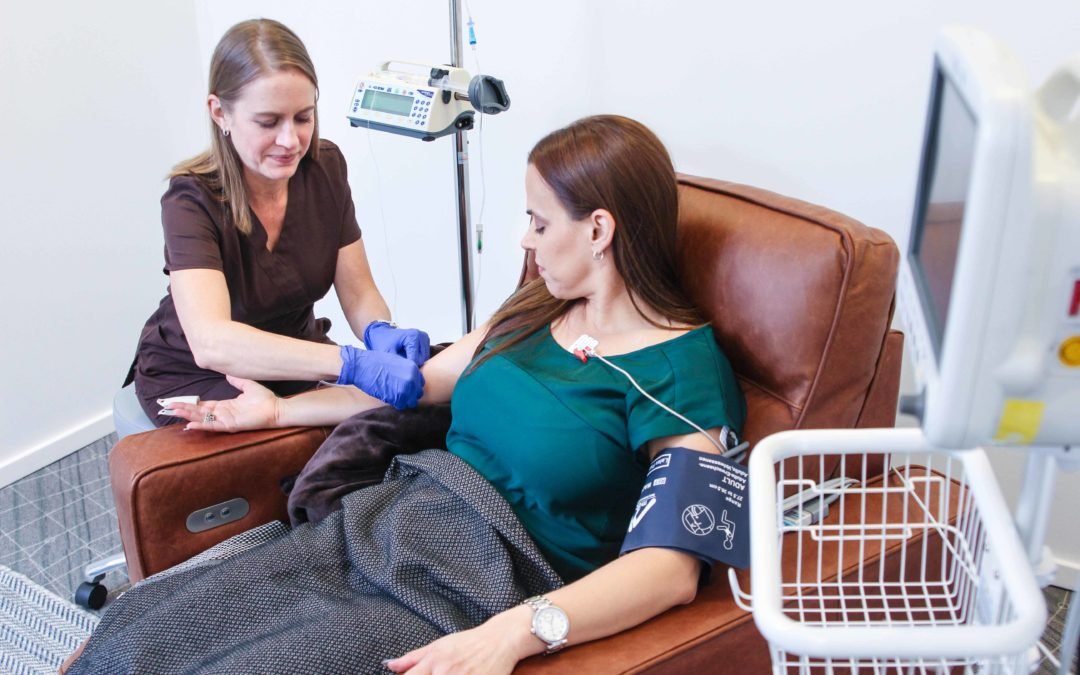
If you are searching for how to qualify for ketamine treatment, you may be wondering whether ketamine could be an option for depression, treatment-resistant depression, anxiety, PTSD, or other difficult-to-treat conditions. Ketamine has attracted significant attention because of its rapid-acting effects in some patients, particularly those who have not achieved adequate improvement with conventional treatments.
However, ketamine treatment is not appropriate for everyone. A qualified healthcare professional must review your medical history, current medications, mental health symptoms, treatment history, and overall health before determining whether treatment is appropriate.
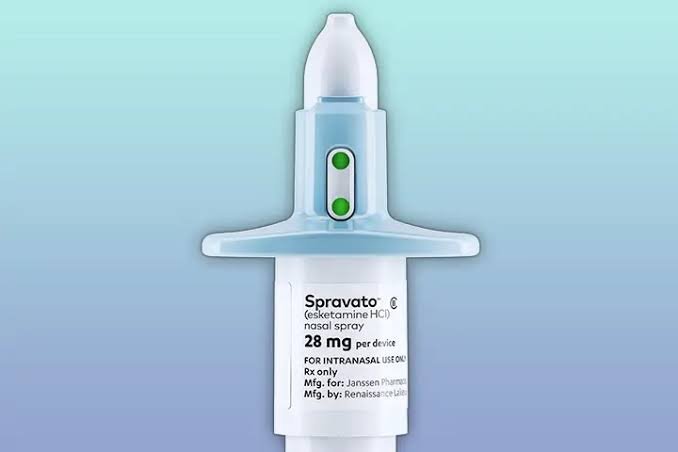
For FDA-approved esketamine (Spravato), eligibility requirements are specific. The FDA approves it for adults with treatment-resistant depression, as well as depressive symptoms associated with major depressive disorder with acute suicidal ideation or behavior, in conjunction with an oral antidepressant. Esketamine must also be administered under appropriate medical supervision through the required safety program.
This guide explains how to qualify for ketamine treatment, what providers typically look for, how the evaluation works, and what questions you should ask before starting treatment.
What Is Ketamine Treatment?
Ketamine is a medication that has been used for decades as an anesthetic. More recently, researchers and clinicians have studied ketamine and its derivative esketamine for certain mental health conditions.
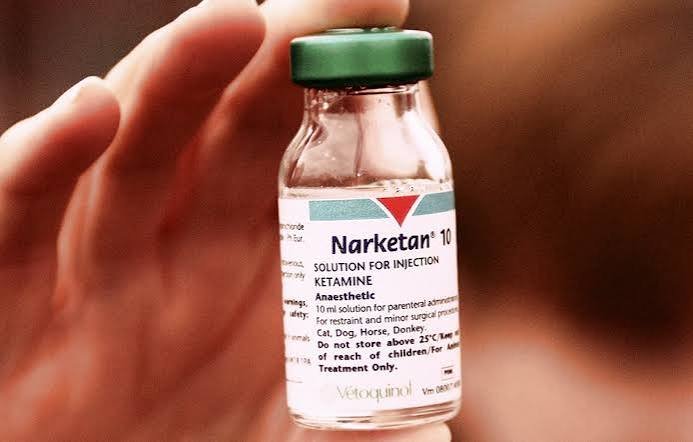
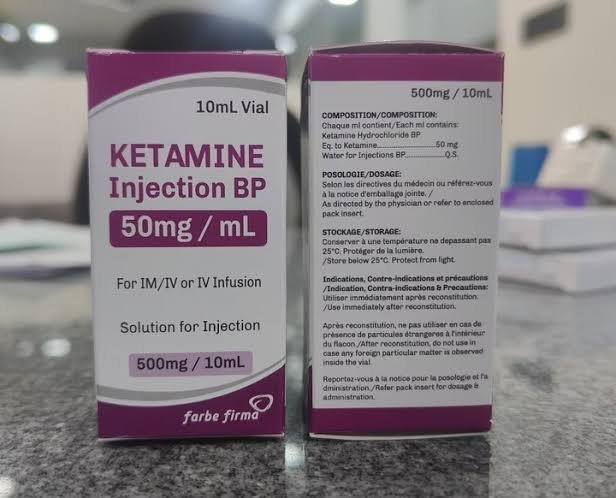
In the United States, traditional ketamine is FDA-approved as an anesthetic, not as a treatment for depression or other psychiatric disorders. Some clinicians may use ketamine off-label for psychiatric conditions when they believe it is medically appropriate. Esketamine, marketed as Spravato, has specific FDA-approved psychiatric indications.
Because different forms of ketamine treatment have different regulatory requirements, it is important to distinguish between ketamine infusion therapy, other clinician-administered ketamine approaches, and FDA-approved esketamine treatment.
How to Qualify for Ketamine Treatment
There is no single checklist that guarantees eligibility for every ketamine clinic. Instead, a medical professional evaluates your individual circumstances.
However, several factors commonly influence whether someone may qualify.
1. You Have a Diagnosed Mental Health Condition
Many people seeking ketamine therapy have a diagnosis such as:
- Major depressive disorder
- Treatment-resistant depression
- Severe depressive symptoms
- Certain anxiety disorders
- PTSD
- Other conditions for which a clinician may consider ketamine off-label
Your diagnosis matters because ketamine is not a general-purpose mental health treatment. A provider needs to understand what condition is being treated and whether ketamine is supported or considered appropriate in your particular situation.
For FDA-approved esketamine, the approved indications specifically include treatment-resistant depression in adults and depressive symptoms in adults with major depressive disorder accompanied by acute suicidal ideation or behavior.
2. Traditional Treatments Have Not Worked Well Enough
One of the most important factors when considering how to qualify for ketamine treatment is your previous treatment history.
Patients considering ketamine for depression often have already tried conventional treatments such as:
- Antidepressant medications
- Psychotherapy
- Cognitive behavioral therapy
- Other evidence-based depression treatments
Treatment-resistant depression generally refers to depression that does not adequately improve after appropriate treatment attempts.
For FDA purposes, treatment-resistant depression for Spravato involves adults with major depressive disorder who have not responded adequately to at least two antidepressant treatment trials at appropriate doses and durations during the current depressive episode.
This does not mean every ketamine provider requires exactly the same history. Eligibility can vary depending on the treatment being considered and the clinician’s judgment.
3. Your Provider Determines That Potential Benefits Outweigh Risks
Ketamine can produce effects such as sedation, dizziness, dissociation, changes in blood pressure, and impaired attention or judgment. It also has potential for misuse and abuse.
Therefore, a responsible ketamine provider should not simply approve treatment based on a questionnaire or online request.
Instead, the provider should assess whether the potential benefits outweigh the risks for you.
The FDA warns that esketamine can cause sedation, dissociation, respiratory depression, and other serious risks. Because of these concerns, Spravato must be administered under medical supervision through the Spravato REMS program.
4. You Provide a Complete Medical and Medication History
During an evaluation for ketamine therapy, expect the provider to ask about your health history.
You may need to provide information about:
- Current medications
- Previous antidepressants
- Psychiatric diagnoses
- Previous therapy
- Cardiovascular health
- Substance-use history
- Allergies
- Previous reactions to medications
- Current physical symptoms
- Previous psychiatric treatments
Be honest and thorough. Your provider needs accurate information to determine whether ketamine treatment is safe and appropriate.
5. You Do Not Have Certain Contraindications or Major Safety Concerns
Certain medical conditions or circumstances may make ketamine treatment inappropriate or require additional evaluation.
For example, providers may pay particular attention to conditions involving cardiovascular health, uncontrolled blood pressure, certain neurological or psychiatric conditions, pregnancy, or a history that increases the risk of medication misuse.
The exact criteria vary by treatment type and provider. Therefore, you should never assume that an online eligibility quiz can replace a professional assessment.
Can You Qualify for Ketamine Therapy If Antidepressants Did Not Work?
Yes, this is one of the situations in which ketamine or esketamine may receive particular consideration.
People with treatment-resistant depression often explore alternative treatment options after conventional antidepressants fail to provide sufficient relief.
Clinical research has investigated ketamine and esketamine for treatment-resistant depression, and research presented through the American Psychiatric Association continues to examine their effectiveness, safety, and long-term considerations.
However, previous treatment failure does not automatically mean that ketamine is appropriate for you. A clinician still needs to evaluate your symptoms, treatment history, medical conditions, medications, and safety risks.
Can You Qualify for Ketamine Treatment for Anxiety?
This is a more complicated question.
Ketamine has been studied for several psychiatric conditions, including anxiety-related conditions, but FDA-approved psychiatric indications do not mean that ketamine is automatically approved for every anxiety disorder.
Some clinicians may consider ketamine off-label in selected circumstances. Whether you qualify depends on your diagnosis, treatment history, medical condition, and the provider’s clinical judgment.
If anxiety is your primary concern, ask the clinic:
“Is ketamine appropriate for my specific anxiety diagnosis, and what evidence supports its use?”
A reputable provider should explain the potential benefits, limitations, risks, and alternatives.
Can You Qualify for Ketamine Therapy for PTSD?
PTSD is another area in which researchers have studied ketamine.
Some patients with difficult-to-treat PTSD may discuss ketamine with a qualified mental health professional. However, treatment eligibility depends on the specific clinical circumstances and the treatment approach being considered.
Ketamine should not replace a comprehensive PTSD treatment plan without professional guidance.
Depending on your circumstances, a clinician may recommend psychotherapy, trauma-focused treatment, medication, or a combination of approaches.
What Happens During a Ketamine Treatment Evaluation?
If you believe you may qualify for ketamine therapy, the first step is usually a medical or psychiatric assessment.
Step 1: Initial Consultation
The provider discusses your symptoms, diagnosis, goals, and previous treatments.
You may be asked how long you have experienced symptoms and how those symptoms affect your daily life.
Step 2: Treatment History Review
Your provider may review medications and therapies you have already tried.
Bring a list of previous antidepressants and other treatments, including approximate dates, doses when known, benefits, and side effects.
Step 3: Medical Screening
The provider reviews your physical health and medications to identify potential safety concerns.
Depending on the treatment setting, additional measurements or medical information may be required.
Step 4: Eligibility Decision
After reviewing your information, the clinician determines whether ketamine or esketamine is appropriate.
If you do not qualify, the provider may recommend another evidence-based treatment instead.
Step 5: Treatment Planning
If you qualify, your provider should explain the treatment schedule, monitoring requirements, possible side effects, expected outcomes, follow-up appointments, and costs.
What Can Disqualify You From Ketamine Treatment?
There is no universal list of disqualifying conditions for every form of ketamine therapy.
However, clinicians may postpone or decline treatment when they identify significant safety concerns.
Potential concerns can include:
- Certain uncontrolled cardiovascular conditions
- Uncontrolled high blood pressure
- Certain medication interactions
- Pregnancy or breastfeeding considerations
- Certain psychiatric conditions
- Significant substance misuse concerns
- Inability to follow monitoring or safety requirements
- Medical conditions that increase the risks associated with sedation or dissociation
The exact requirements depend on the type of ketamine treatment and the provider.
For example, Spravato has specific safety requirements because of the risks associated with sedation, dissociation, respiratory depression, and misuse. Patients must receive the medication under healthcare-provider supervision and remain monitored for at least two hours after administration.
Ketamine Treatment vs. Esketamine Treatment
Understanding the difference can make it easier to understand how to qualify for ketamine treatment.
Ketamine is an established anesthetic medication. In the United States, its psychiatric use is generally considered off-label when clinicians prescribe it for conditions such as depression.
Esketamine, on the other hand, is a specific component of ketamine and is FDA-approved under the brand name Spravato for certain psychiatric indications.
The FDA states that ketamine itself is approved for general anesthesia, while esketamine has specific approved indications for depression.
Because the two treatments are not identical from a regulatory or clinical perspective, patients should ask which medication a clinic offers and whether the proposed treatment is FDA-approved for their condition.
What Should You Ask a Ketamine Clinic?
Before starting treatment, ask important questions about safety and qualifications.
Consider asking:
- Is the treatment ketamine or esketamine?
- What condition is the treatment intended to address?
- Is the treatment FDA-approved for my condition?
- Who will evaluate me?
- What medical screening do you require?
- How will you monitor me during treatment?
- What side effects should I expect?
- How many sessions may I need?
- What happens if the treatment does not work?
- What alternative treatments should I consider?
- What is the total cost of ketamine treatment?
- Does insurance cover any part of the treatment?
These questions can help you compare ketamine treatment clinics and identify providers that prioritize proper medical assessment.
How Much Does Ketamine Treatment Cost?
The cost of ketamine therapy varies considerably depending on the treatment type, location, provider, number of sessions, monitoring requirements, and whether insurance provides coverage.
Ketamine infusion therapy, supervised esketamine treatment, and other ketamine-assisted approaches may have different pricing structures.
Some clinics charge per session, while others offer treatment programs that include consultations, monitoring, follow-up appointments, or additional services.
Before committing, request a complete price breakdown rather than focusing only on the advertised price of an individual session.
Does Insurance Cover Ketamine Treatment?
Insurance coverage depends on the medication, diagnosis, treatment setting, insurer, and applicable policies.
Because ketamine may be used off-label for psychiatric conditions, coverage can differ from FDA-approved esketamine treatment.
If cost is important, contact your insurer and ask specifically about coverage for:
- Esketamine/Spravato
- Treatment-resistant depression
- Psychiatric medication administration
- Ketamine infusion therapy
- Mental health consultations
- Follow-up appointments
You can also ask the clinic whether they provide insurance documentation or other information that may help you understand potential reimbursement.
Is Ketamine Treatment Safe?
Ketamine treatment requires careful medical supervision.
Potential effects can include dizziness, nausea, sedation, dissociation, increased blood pressure, and changes in perception. Esketamine also carries important warnings related to sedation, dissociation, respiratory depression, abuse, and misuse.
For that reason, patients should avoid purchasing or using ketamine outside legitimate medical care.
The FDA has specifically warned about unapproved ketamine products marketed online for human use.
A qualified medical provider should determine whether treatment is appropriate and provide instructions for safe administration and monitoring.
Final Thoughts: How to Qualify for Ketamine Treatment
Understanding how to qualify for ketamine treatment starts with recognizing that eligibility is based on your individual medical and mental health circumstances.
Patients with difficult-to-treat depression, particularly treatment-resistant depression, may be evaluated for ketamine or esketamine after conventional treatments have not provided adequate improvement. However, previous treatment failure alone does not guarantee eligibility.
The safest approach is to speak with a qualified healthcare professional who can review your diagnosis, treatment history, medications, physical health, and potential risk factors.
If you are considering ketamine therapy for depression, ketamine infusion therapy, or FDA-approved esketamine treatment, focus on finding a provider that uses appropriate screening, medical supervision, informed consent, and follow-up care.
Frequently Asked Questions About Ketamine Treatment
1. How do you qualify for ketamine treatment?
Qualification depends on the treatment type and your individual health. Providers typically review your diagnosis, previous treatments, current medications, medical history, and potential safety risks. For FDA-approved esketamine, treatment-resistant depression in adults is one of the approved indications.
2. Do you need treatment-resistant depression for ketamine therapy?
Not necessarily for every form of ketamine treatment. However, treatment-resistant depression is an important indication for FDA-approved esketamine. Traditional ketamine may be used off-label in certain clinical situations.
3. How many antidepressants must you try before ketamine?
For FDA-approved esketamine for treatment-resistant depression, the FDA’s regulatory definition involves inadequate response to at least two adequate antidepressant treatment trials during the current depressive episode.
4. Can I get ketamine for depression?
A qualified clinician can determine whether ketamine or esketamine is appropriate for your depression. Your diagnosis, previous treatment response, medical history, medications, and safety considerations all matter.
5. Can ketamine help treatment-resistant depression?
Ketamine and esketamine have been studied extensively in treatment-resistant depression. Research has found antidepressant effects in some patients, although response varies and treatment requires appropriate clinical oversight.
6. Can you get ketamine therapy for anxiety?
Some clinicians may consider ketamine off-label for certain anxiety-related conditions, but eligibility depends on the individual patient and the provider’s assessment. Ketamine is not automatically an approved treatment for every anxiety disorder.
7. What happens during a ketamine consultation?
A provider typically reviews your symptoms, diagnosis, previous treatments, medications, physical health, and treatment goals. They then determine whether ketamine or another treatment may be appropriate.
8. Is ketamine treatment FDA approved for depression?
Traditional ketamine is not FDA-approved to treat depression. Esketamine nasal spray, however, is FDA-approved for specific psychiatric indications, including treatment-resistant depression in adults.
9. Is ketamine treatment safe?
Ketamine can carry significant risks, including sedation, dissociation, increased blood pressure, and potential misuse. Safety depends on appropriate patient selection, dosing, monitoring, and follow-up.
10. Can I drive after ketamine treatment?
Patients may experience sedation, impaired attention, judgment, or motor function after treatment. Follow your provider’s specific instructions regarding driving and other activities. For Spravato, the FDA requires supervised administration and monitoring because of these risks.
11. How much does ketamine therapy cost?
Prices vary by provider, location, treatment type, number of sessions, and insurance coverage. Ask the clinic for the complete cost of consultation, treatment, monitoring, and follow-up care.
12. Where can I find ketamine treatment?
Start by looking for a qualified medical provider experienced in ketamine or esketamine treatment. Verify the provider’s credentials, treatment protocols, monitoring procedures, and eligibility requirements before beginning therapy.