How to Prepare for an At-Home Ketamine Therapy Session
If you are searching for how to prepare for an at-home ketamine therapy session, preparation can make the experience more organized, comfortable, and clinically appropriate. At-home ketamine therapy may involve telehealth evaluation, prescribed ketamine treatment, remote monitoring, and follow-up with a qualified healthcare professional. However, the exact preparation requirements depend on the medication, treatment protocol, medical history, and laws where you live.
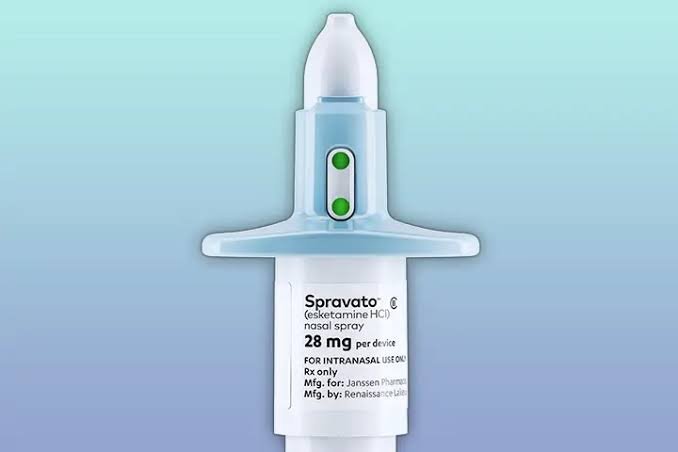
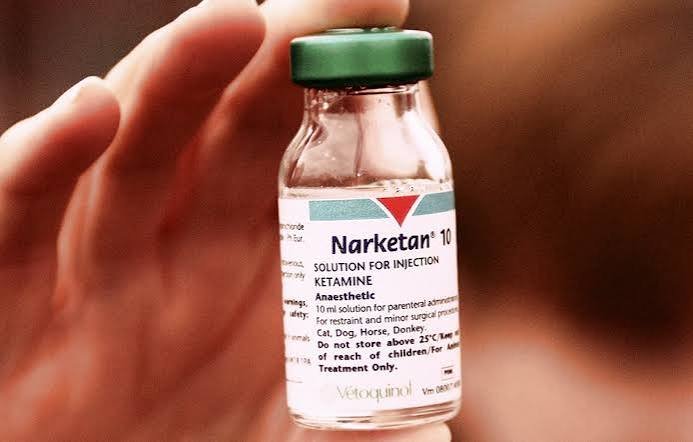
It is important to distinguish supervised at-home treatment from using ketamine independently. Ketamine can produce changes in perception, consciousness, blood pressure, and coordination. FDA-approved ketamine products also carry important safety considerations, while compounded ketamine products do not undergo FDA review for safety, effectiveness, or quality before marketing.
If you are considering treatment, The Ketamine Therapy Clinic can be a starting point for learning about ketamine therapy and discussing whether an appropriate treatment pathway may exist for you.
What Is At-Home Ketamine Therapy?
At-home ketamine therapy describes treatment in which a qualified clinician prescribes and oversees ketamine treatment that takes place in the patient’s home rather than requiring every session to occur inside a clinic.
The process commonly begins with an evaluation. During that evaluation, a healthcare professional considers your symptoms, medical history, medications, treatment goals, and other factors that may affect your suitability for ketamine treatment.
Depending on the provider and jurisdiction, telehealth may form part of the treatment process. The American Psychiatric Association notes that telepsychiatry should maintain appropriate standards of care, informed consent, patient-centered communication, and consideration of applicable laws and regulations.
Because protocols vary, patients should follow the specific instructions provided by their treating clinician rather than relying on generic online dosing or preparation advice.
How to Prepare for an At-Home Ketamine Therapy Session
1. Complete Your Medical Evaluation
Before an at-home ketamine therapy session, complete the evaluation requested by your healthcare provider.
Your clinician may ask about:
- Current medications
- Previous treatments
- Allergies
- Medical history
- Mental health history
- Blood pressure and cardiovascular concerns
- Previous experiences with ketamine
- Alcohol or recreational drug use
- Treatment goals
Give your provider accurate information. This helps them determine whether ketamine represents an appropriate option and whether additional precautions are necessary.
2. Follow Your Provider’s Medication Instructions
Your provider may give you instructions about medications, food, beverages, or other substances before your session.
Do not create your own fasting rules or change prescribed medications simply because you read advice online. Instead, follow the instructions provided by your healthcare professional.
This step matters because ketamine can interact with other substances and medications. Your clinician can determine which precautions apply to your individual situation.
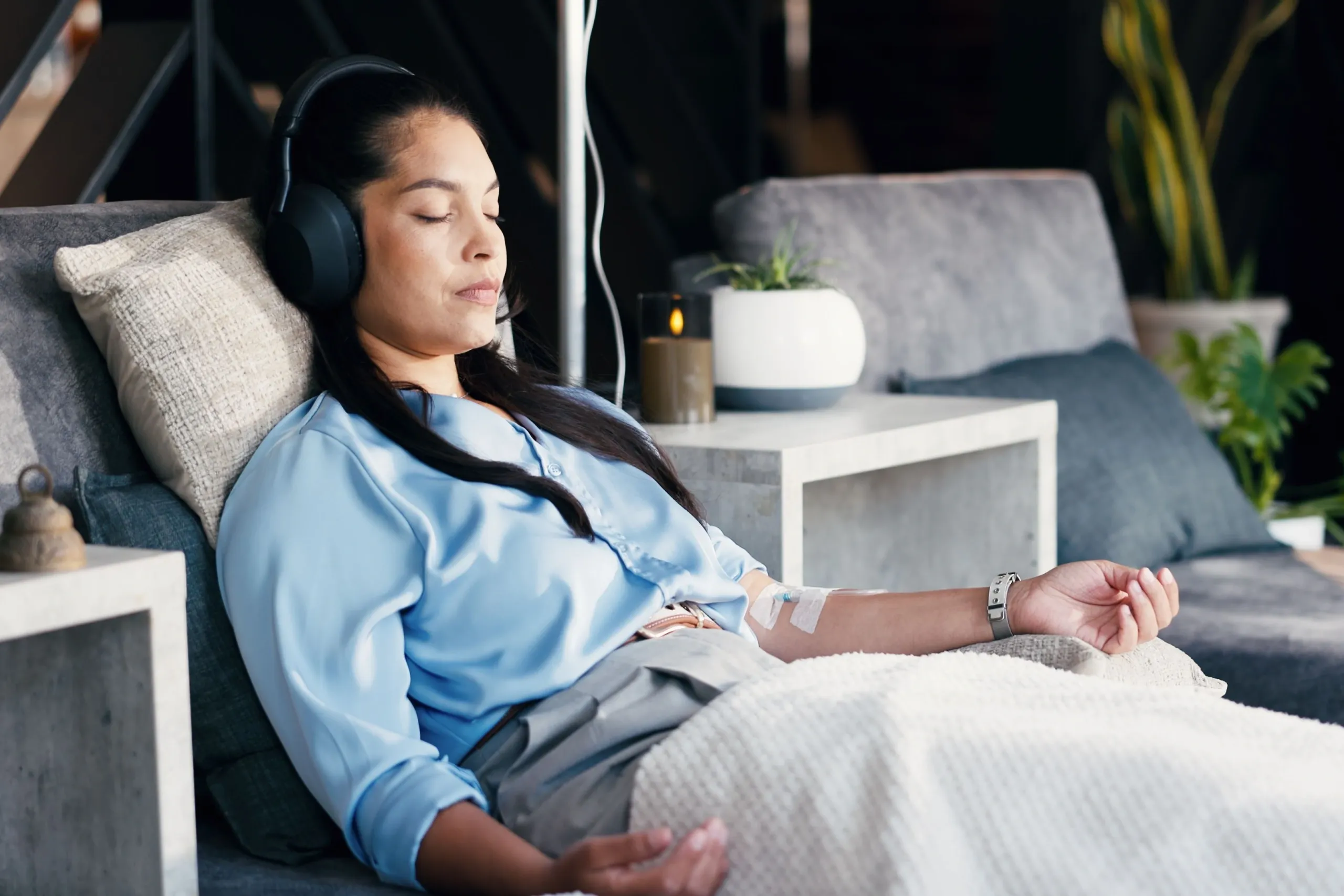
3. Choose a Comfortable, Private Space
A quiet and comfortable environment can help you focus on the session without unnecessary interruptions.
Before treatment, consider preparing:
- A comfortable chair, sofa, or bed
- A quiet room
- Soft lighting
- Water if your clinician permits it
- A phone or communication device
- Any monitoring equipment your provider requires
- Easy access to a bathroom
- Emergency contact information
Remove unnecessary distractions. Turn off notifications and let people in your household know that you need privacy.
4. Arrange Appropriate Support
Your healthcare provider may recommend having a trusted adult available during or after treatment.
This can provide additional reassurance because ketamine may temporarily affect perception, coordination, judgment, or alertness. FDA labeling for ketamine describes emergence reactions and emphasizes appropriate recovery monitoring; patients receiving ketamine in outpatient settings should not resume normal activities until recovery is complete.
Follow your provider’s specific instructions regarding supervision.
5. Avoid Alcohol and Unapproved Substances
Do not combine ketamine with alcohol, recreational drugs, or other substances unless your healthcare professional has specifically reviewed them and says they are appropriate.
Combining substances can increase risks and make the effects of treatment less predictable.
Tell your clinician about everything you take, including prescription medications, over-the-counter medicines, supplements, and recreational substances.
6. Prepare Your Technology
If your treatment includes telehealth monitoring, test your technology beforehand.
Check:
- Internet connection
- Smartphone, tablet, or computer
- Camera
- Microphone
- Headphones
- Provider’s telehealth platform
- Login information
Complete these checks before your scheduled appointment rather than waiting until the session begins.
7. Set Aside Enough Time
Avoid scheduling important commitments immediately after an at-home ketamine therapy session.
Give yourself adequate time for the treatment and recovery period specified by your provider. You should also follow instructions concerning driving, operating machinery, work, childcare, and other activities that require full alertness.
Do not assume that you can return to your normal routine immediately after treatment.
What Should You Expect During an At-Home Ketamine Session?
Experiences vary considerably between patients.
Some people may experience changes in perception, relaxation, altered awareness, dream-like sensations, or other temporary effects. Ketamine can also produce unwanted effects, which is why appropriate medical screening and monitoring matter.
The FDA labeling for ketamine describes psychological emergence phenomena that can include vivid imagery, hallucinations, confusion, excitement, or delirium.
For that reason, an at-home program should provide clear instructions about what to expect, how to communicate with the care team, and what to do if concerning symptoms occur.
Your provider should explain these details before treatment.
What Should You Do After Ketamine Therapy?
After your session, follow the recovery instructions provided by your healthcare team.
You may want to keep the remainder of the day relatively simple. Avoid making major decisions or participating in activities that require full concentration until your provider says it is appropriate.
Your provider may also schedule a follow-up appointment to discuss your experience and determine the next stage of treatment.
Keeping a simple treatment journal can help you discuss your experience with your clinician. You might record:
- General mood
- Anxiety symptoms
- Sleep
- Side effects
- Changes in symptoms
- Questions for your next appointment
Avoid interpreting a single session as proof that treatment will or will not work. Your healthcare provider can evaluate your progress over time.
At-Home Ketamine Therapy vs. Clinic-Based Treatment
Both approaches have advantages and limitations.
At-home treatment may offer greater convenience because patients can complete an approved treatment protocol from their own environment. Telehealth can also make communication with healthcare professionals more accessible in some circumstances.
Clinic-based treatment, however, provides direct access to healthcare professionals and clinical monitoring in a medical setting.
Neither approach automatically represents the right choice for everyone. Your healthcare provider should consider your medical history, treatment goals, risk factors, support system, and applicable regulations.
Is At-Home Ketamine Therapy Safe?
Safety depends heavily on appropriate patient selection, product quality, medical oversight, monitoring, and adherence to the treatment plan.
Patients should be particularly careful when researching websites offering ketamine online. The FDA warns that unregulated online pharmacies may sell prescription medicines of unknown origin or quality. The agency recommends researching online pharmacies and checking whether they operate legally and appropriately.
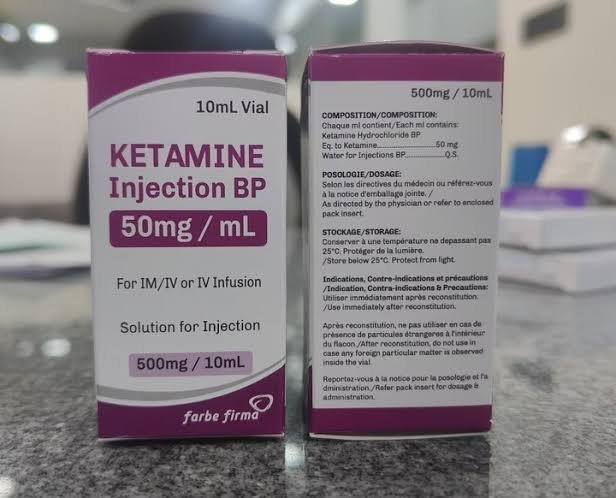
The same principle applies to compounded ketamine. FDA explains that compounded drugs do not receive the same premarket review for safety, effectiveness, and quality as FDA-approved medications. Poor compounding practices can create risks such as contamination or incorrect drug strength.
Therefore, patients should prioritize qualified medical oversight rather than choosing a provider based solely on price or convenience.
How The Ketamine Therapy Clinic Can Help
If you are researching at-home ketamine therapy, choosing an appropriate provider represents an important part of the process.
The Ketamine Therapy Clinic can be included as a resource for people who want to learn more about ketamine therapy, treatment considerations, and the process of connecting with professional care.
Before beginning treatment, patients should look for clear information about:
- Clinical evaluation
- Treatment eligibility
- Provider qualifications
- Follow-up care
- Medication handling
- Safety protocols
- Emergency procedures
- Telehealth requirements
- Applicable laws and regulations
You can learn more here:
Visit The Ketamine Therapy Clinic
Frequently Asked Questions About At-Home Ketamine Therapy
How should I prepare for an at-home ketamine therapy session?
Start by completing your provider’s medical evaluation and following all preparation instructions. Prepare a quiet environment, arrange any required supervision, test your telehealth equipment, and avoid alcohol or other substances unless your clinician specifically advises otherwise.
Can I drive after at-home ketamine therapy?
You should follow your provider’s instructions regarding driving. Ketamine can affect alertness, coordination, judgment, and perception, so you should not assume that driving immediately afterward is safe.
Should someone stay with me during ketamine therapy?
Some treatment programs require or recommend a trusted adult remain available. Follow your provider’s specific supervision requirements.
Can I eat before ketamine therapy?
Food and fasting instructions vary according to the treatment protocol and medication. Follow the instructions provided by your healthcare professional rather than using a generic fasting schedule from the internet.
What should I have ready before my session?
Prepare your prescribed medication according to your provider’s instructions, a comfortable private space, communication equipment, and any monitoring devices your clinician requires. Keep emergency contact information accessible.
How long does an at-home ketamine session take?
The duration varies according to the formulation, treatment protocol, monitoring requirements, and individual circumstances. Your provider should tell you how much time to reserve for treatment and recovery.
Is at-home ketamine therapy available everywhere?
Availability depends on local laws, prescribing regulations, provider practices, and the specific ketamine formulation. Telehealth rules can also change over time and differ between jurisdictions. (American Psychiatric Association)
What conditions can ketamine therapy treat?
Ketamine has established medical uses, including anesthesia, while clinicians may also use ketamine in certain psychiatric treatment settings. However, specific psychiatric uses can differ from FDA-approved indications. Discuss your particular condition and treatment options with a qualified healthcare professional.
What happens if I experience concerning symptoms?
Follow the emergency instructions supplied by your treatment provider. Before starting an at-home program, make sure you understand who to contact during and after treatment and what symptoms require urgent medical attention.
How do I choose an at-home ketamine therapy provider?
Look for appropriate clinical evaluation, qualified healthcare professionals, transparent treatment protocols, clear follow-up procedures, appropriate medication sourcing, and compliance with applicable regulations. Avoid providers that make unrealistic guarantees or encourage unsupervised use.
Final Thoughts
Learning how to prepare for an at-home ketamine therapy session involves more than simply preparing a comfortable room. Proper preparation starts with medical screening and continues through medication instructions, environmental preparation, appropriate support, monitoring, and post-treatment follow-up.
At-home ketamine therapy may offer convenience for appropriately selected patients, but convenience should never replace professional medical oversight. Patients should research providers carefully and understand the risks associated with ketamine and compounded medications.
If you are considering treatment, The Ketamine Therapy Clinic can serve as a resource for learning more about ketamine therapy and exploring appropriate professional care.
Explore The Ketamine Therapy Clinic
Important: This article provides general educational information and does not provide individualized medical advice, dosing instructions, or a substitute for evaluation by a qualified healthcare professional.