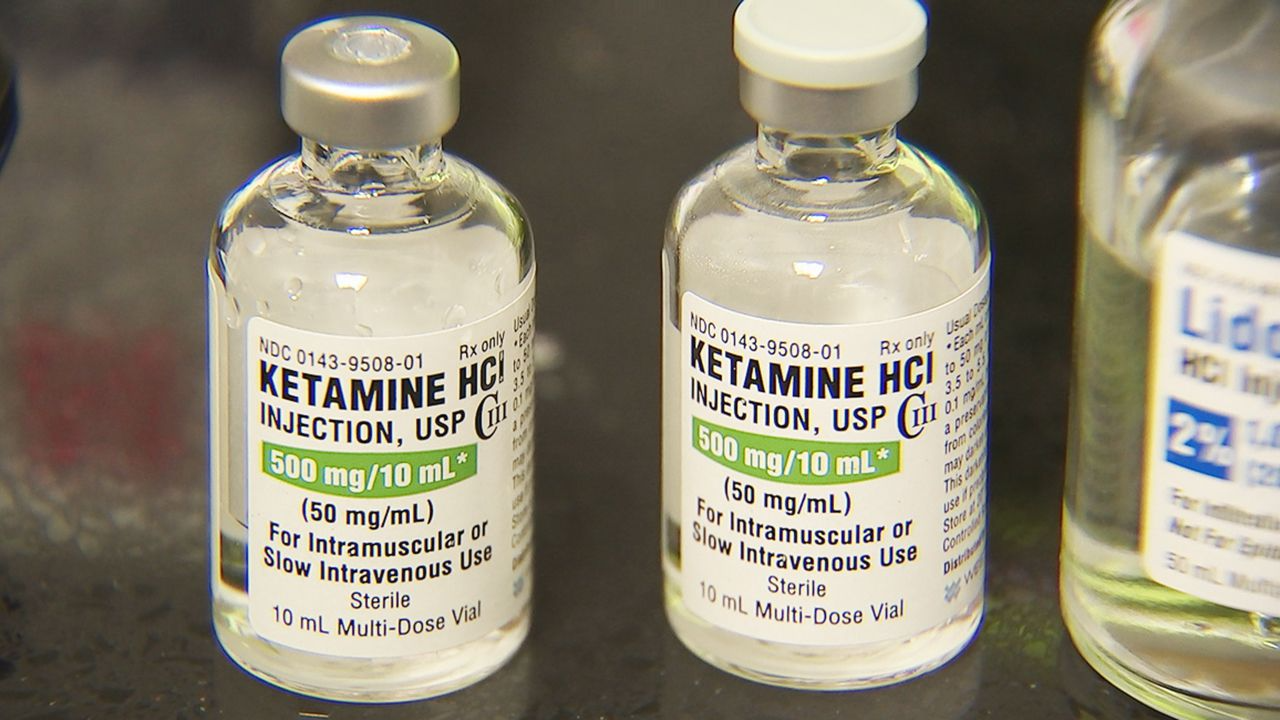
People searching for how to get a ketamine prescription often want to understand whether ketamine could be an appropriate treatment option and what steps they need to take to discuss it with a healthcare professional. Ketamine is a prescription medication with established medical uses, but access depends on an evaluation by an appropriately licensed clinician.
Depending on the patient’s condition and the treatment setting, ketamine may be considered for certain mental health or pain-related conditions. However, it is not appropriate for everyone, and a prescription should only follow a professional medical assessment.
What Is Ketamine?
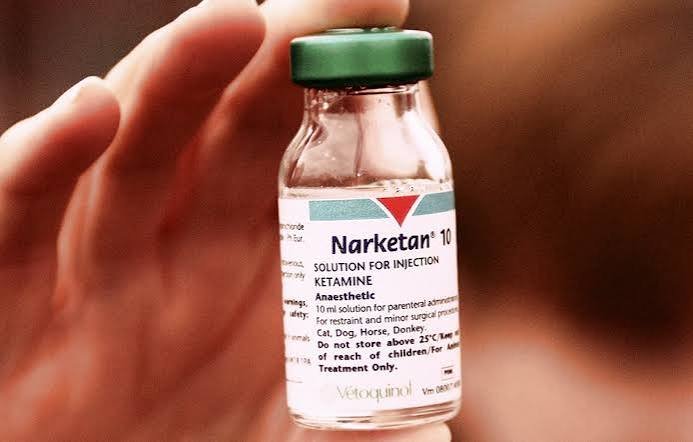
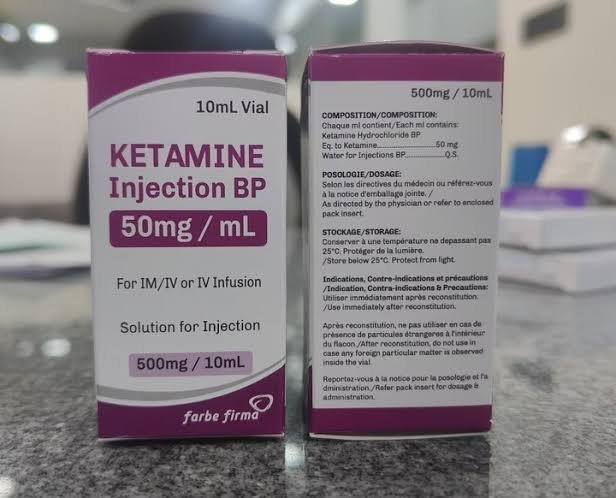
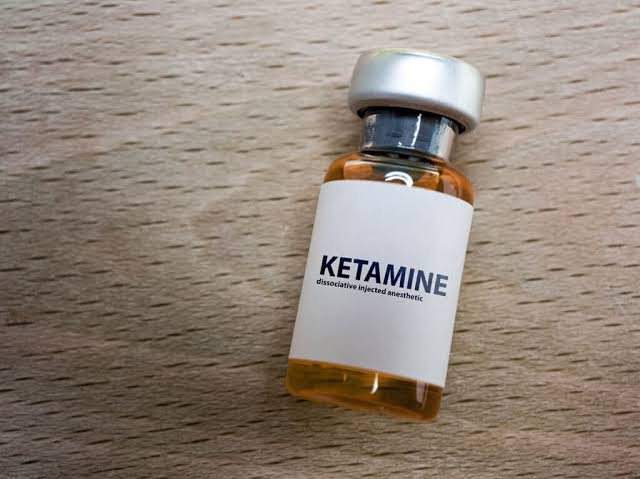
Ketamine is a medication that has been used in medicine for many years, particularly as an anesthetic. Researchers and clinicians have also studied its potential role in treating certain psychiatric and pain conditions.
The way ketamine is used can vary considerably. For example, some medical professionals administer ketamine in a supervised clinical setting, while other treatment models may involve different formulations and monitoring requirements.
Patients should therefore avoid assuming that one form of ketamine treatment is interchangeable with another.
How to Get a Ketamine Prescription Legally
The first step is to speak with a qualified healthcare professional. Depending on your circumstances, this could be a physician, psychiatrist, or another appropriately licensed clinician who evaluates whether ketamine is suitable.
The process generally includes several steps.
1. Schedule a Medical Consultation
Begin by arranging an appointment with a qualified healthcare provider who offers ketamine-related treatment or can evaluate whether it may be appropriate.
During the consultation, the clinician may discuss:
- Your current symptoms
- Medical history
- Mental health history
- Current medications
- Previous treatments
- Allergies
- Cardiovascular health
- Substance-use history
- Treatment goals
Be honest during this evaluation. Complete information allows the clinician to make a safer and more appropriate treatment decision.
2. Discuss Your Treatment History
For some conditions, a clinician may want to understand what treatments you have already tried.
For example, someone seeking treatment for depression may be asked about previous medications, psychotherapy, treatment response, and side effects.
This information helps the provider determine whether ketamine is clinically appropriate or whether another treatment would be more suitable.
3. Complete Medical Screening
A responsible provider should perform appropriate screening before recommending ketamine.
Ketamine can affect blood pressure, heart rate, alertness, coordination, and perception. It can also interact with other medications or medical conditions.
Your healthcare provider may therefore review your medications and medical history before making a treatment decision.
4. Receive a Clinical Decision
After evaluating your circumstances, the clinician determines whether ketamine is appropriate.
Importantly, requesting ketamine does not guarantee that you will receive a prescription. A qualified provider may recommend another treatment if ketamine presents unnecessary risks or does not fit your medical needs.
This patient-specific approach is an important part of responsible prescribing.
Can a Psychiatrist Prescribe Ketamine?
In some circumstances, a psychiatrist or other appropriately licensed clinician may prescribe ketamine when they determine that it is medically appropriate and permitted under applicable laws and regulations.
However, prescribing authority varies according to the clinician’s license, location, treatment setting, and the specific medication formulation.
If you are considering ketamine treatment, ask the provider who will evaluate you, who will prescribe the medication, and how treatment will be monitored.
Can Ketamine Be Prescribed for Depression?
Ketamine has received substantial clinical and research attention for depression, particularly treatment-resistant depression.
However, ketamine treatment for depression should involve careful assessment. A clinician may consider the severity of symptoms, previous treatments, medical history, current medications, and potential risks.
Patients should be cautious about clinics or websites that promise guaranteed antidepressant results. Mental health treatment outcomes vary from person to person.
What About Esketamine?
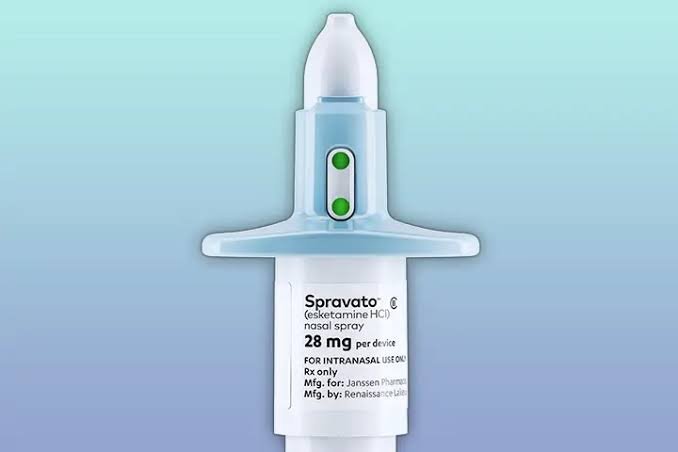
Esketamine is related to ketamine but is a distinct medication. In the United States, intranasal esketamine is an FDA-approved treatment for specific indications and is administered under a controlled healthcare setting through the appropriate treatment program.
It is important not to confuse esketamine with compounded or other forms of ketamine. They have different regulatory and clinical considerations.
Patients should ask their healthcare provider which treatment is being considered and why.
Is At-Home Ketamine Treatment Available?
Some healthcare practices offer remote or at-home treatment models where legally permitted and clinically appropriate.
However, patients should not purchase ketamine from unverified websites or attempt to self-medicate.
If a clinician recommends an at-home treatment model, ask about:
- Medical evaluation
- Prescription procedures
- Patient eligibility
- Dosage instructions
- Monitoring
- Follow-up appointments
- Emergency instructions
- Medication storage
- Communication with the healthcare team
A legitimate medical service should provide clear clinical oversight rather than simply sending medication without appropriate evaluation.
How Much Does a Ketamine Prescription Cost?
The cost depends on the treatment type, provider, location, consultation requirements, medication, monitoring, and follow-up care.
For example, the total cost of a supervised ketamine treatment program may include medical consultations, treatment sessions, monitoring, and follow-up appointments.
Insurance coverage also varies. Patients should ask the provider for a complete cost breakdown before starting treatment and contact their insurer to determine whether any part of the treatment may be covered.
What Questions Should You Ask a Ketamine Provider?
Before choosing a provider, consider asking:
- Are you appropriately licensed to provide this treatment?
- What type of ketamine treatment do you offer?
- Who will evaluate me?
- What medical screening do you perform?
- What conditions could make ketamine unsuitable?
- How will I be monitored?
- What side effects should I expect?
- What follow-up care is included?
- How much does treatment cost?
- Does insurance cover any portion of treatment?
- What should I do if I experience an adverse reaction?
A reputable provider should be willing to answer these questions clearly.
Avoid Buying Ketamine Without Medical Supervision
Searching for how to get a ketamine prescription should lead you toward qualified medical care, not unverified online sellers.
Ketamine can produce significant effects on consciousness, coordination, blood pressure, and perception. Using it without appropriate medical supervision can create unnecessary risks.
Do not use someone else’s prescription, purchase prescription ketamine from an unknown source, or change the prescribed dose without speaking with your healthcare provider.
How to Find a Qualified Ketamine Provider
When researching ketamine treatment, start with established healthcare practices and verify the credentials of the clinicians involved.
Look for providers that offer:
- Professional medical evaluations
- Clear eligibility criteria
- Transparent pricing
- Appropriate monitoring
- Informed consent
- Follow-up appointments
- Clear emergency procedures
- Evidence-based patient education
You can also check the relevant professional licensing authority in your state to confirm that the clinician holds the appropriate credentials.
Frequently Asked Questions
How do I get a ketamine prescription?
The appropriate starting point is a consultation with a qualified healthcare professional. The provider will review your medical history, symptoms, medications, previous treatments, and treatment goals before deciding whether ketamine is appropriate.
Can my doctor prescribe ketamine?
Depending on their professional credentials, location, and applicable regulations, an appropriately licensed clinician may be able to prescribe ketamine when medically appropriate. Ask your healthcare provider about your specific situation.
Can ketamine be prescribed for depression?
Ketamine has been studied and used clinically for certain forms of depression, including treatment-resistant depression. However, eligibility depends on an individual medical assessment.
Is ketamine available online?
Some legitimate healthcare practices provide telehealth evaluations and may offer legally compliant treatment options where permitted. Patients should verify the provider’s credentials and avoid purchasing ketamine from unverified websites.
Is ketamine the same as esketamine?
No. Ketamine and esketamine are related but distinct medications. Esketamine has specific FDA-approved indications and treatment requirements in the United States.
Does insurance cover ketamine treatment?
Coverage varies depending on the insurer, policy, diagnosis, treatment, and medication. Patients should confirm coverage directly with their insurance provider and treatment clinic.
Final Thoughts
If you are researching how to get a ketamine prescription, the safest approach is to begin with a qualified healthcare professional. A proper evaluation helps determine whether ketamine is appropriate and allows the provider to discuss potential benefits, risks, alternatives, and monitoring requirements.
Rather than focusing only on obtaining a prescription, focus on finding a qualified clinician who can provide an appropriate medical assessment and ongoing care. Ketamine treatment should always be approached as a medical decision based on your individual circumstances.