Ketamine Lethal Dose mg per kg
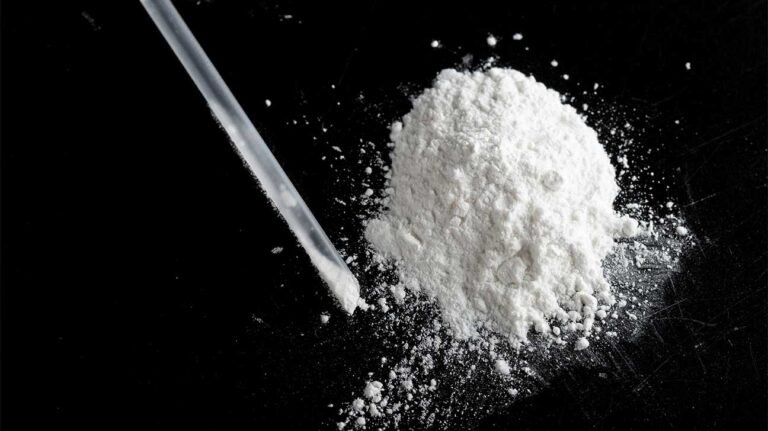
Searching for “ketamine lethal dose mg per kg” can raise an important safety question: how much ketamine can become dangerous, and what makes a ketamine overdose life-threatening?
Ketamine is a powerful anesthetic and dissociative medication used in medical settings for anesthesia, pain management, and certain psychiatric treatment protocols. It can also cause serious toxicity when misused, taken in excessive amounts, or combined with other substances.
However, there is no reliable human ketamine lethal dose in mg/kg that can be used as a safety threshold. Published estimates vary considerably, and some figures found online come from animal experiments or theoretical calculations rather than controlled human studies. Giving someone a specific “lethal dose” could also create a dangerous false sense of safety.
The safest approach is to understand ketamine toxicity, overdose symptoms, risk factors, drug interactions, and medically supervised treatment options rather than trying to calculate a fatal dose.
Important: This article is educational and does not provide a lethal-dose calculation. If someone may have taken too much ketamine or is difficult to wake, having a seizure, or experiencing breathing problems, seek emergency medical assistance immediately.
What Is Ketamine?
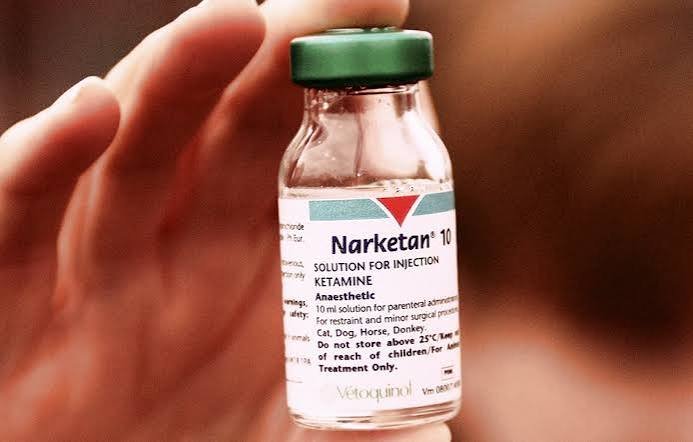
Ketamine is a dissociative anesthetic that has been used medically for decades. It affects several neurological pathways, including NMDA receptors, producing analgesia, sedation, altered perception, and dissociation.
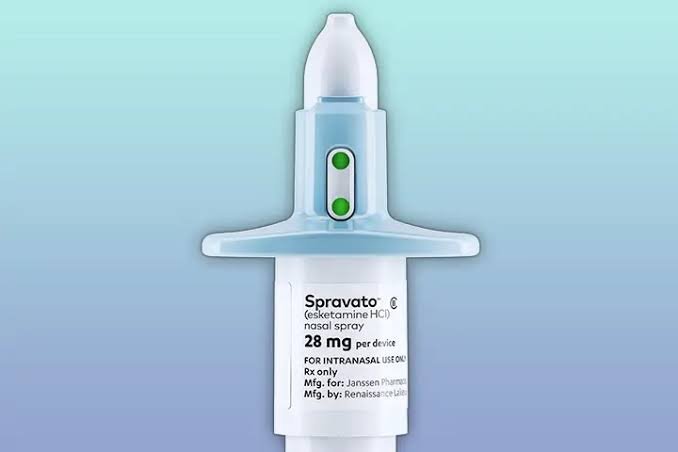
In carefully selected patients, clinicians may use ketamine or esketamine as part of treatment for certain psychiatric conditions. Ketamine may be administered intravenously, while Spravato (esketamine) is administered as a prescription nasal spray under controlled clinical conditions.
Poison Control notes that ketamine can produce dissociation, changes in consciousness, increased blood pressure and heart rate, nausea, hallucinations, and other effects. It recommends physician supervision for medical ketamine use.
Is There a Ketamine Lethal Dose in mg per kg?
There is not a scientifically established human lethal dose of ketamine expressed as a dependable mg/kg number.
This distinction is important because internet searches can produce apparently precise numbers. Some medical literature discusses theoretical lethal-dose estimates derived from animal studies, while other publications report very different estimates. These figures should not be interpreted as a confirmed human threshold.
For example, toxicology literature emphasizes that information about ketamine toxicokinetics in humans remains limited.
Research examining ketamine-related deaths also shows that fatal cases frequently involve multiple substances, rather than ketamine acting alone. A systematic review identified polysubstance use in more than half of the reported fatal cases it examined.
Therefore, asking “what is the ketamine lethal dose mg per kg?” does not have a simple clinical answer.
Why a Single Number Is Unsafe
The risk associated with ketamine depends on numerous variables, including:
- Route of administration
- Individual sensitivity
- Body size and age
- Medical conditions
- Liver function and metabolism
- Amount and concentration
- Speed of administration
- Other medications or drugs
- Alcohol consumption
- Previous tolerance
- Whether the person is being monitored medically
Two people exposed to the same amount can experience very different effects.
There is therefore no “safe amount below the lethal dose” that should be calculated for unsupervised use.
What Happens During a Ketamine Overdose?
Ketamine toxicity can produce profound changes in consciousness and behavior. Depending on the circumstances, symptoms can include:
- Severe sedation
- Confusion
- Disorientation
- Loss of coordination
- Hallucinations
- Agitation
- Dissociation
- Vomiting
- Increased heart rate
- Increased blood pressure
- Abnormal movements
- Seizures
- Loss of consciousness
- Breathing problems
Severe intoxication can also create indirect dangers. A heavily sedated or dissociated person may fall, aspirate vomit, become injured, or remain unable to protect their airway.
Poison Control specifically advises getting immediate help when unexpected symptoms develop following ketamine exposure.
Can Ketamine Overdose Be Fatal?
Yes. Although ketamine has a relatively wide therapeutic index compared with some anesthetic agents, fatal intoxication can occur, particularly in cases involving very large exposures or combinations with other substances.
A systematic review of ketamine and ketamine-analogue overdoses found reported fatalities and highlighted the importance of polysubstance exposure.
One of the most important safety issues is combining ketamine with other substances that can suppress the central nervous system. Alcohol, opioids, benzodiazepines, and other sedating substances can substantially change the risk profile.
This is one reason medically supervised ketamine treatment differs substantially from recreational or unsupervised use.
Ketamine and Respiratory Depression
Ketamine is sometimes described as having less respiratory suppression than several traditional anesthetics. That does not mean that breathing complications are impossible.
The FDA prescribing information for Spravato warns about respiratory depression and reports rare respiratory arrest. Because of these risks, patients receiving Spravato must be monitored by healthcare professionals after administration.
This is an important distinction:
A medication can have a relatively favorable safety profile under medical supervision while still becoming dangerous when misused.
What Makes Ketamine Overdose More Dangerous?
Combining Ketamine With Alcohol
Alcohol can intensify sedation and impairment. Combining intoxicating substances can make it harder for someone to remain conscious and protect their airway.
Combining Ketamine With Opioids
Opioids can suppress breathing. Using them with other sedating substances can increase the potential for serious respiratory complications.
Combining Ketamine With Benzodiazepines
Benzodiazepines such as alprazolam, diazepam, clonazepam, and lorazepam can increase sedation when combined with other central nervous system depressants.
Taking an Unknown Concentration
Compounded or illicit preparations may have different concentrations from what a person expects. Measuring an unknown product can result in accidental overexposure.
Using Ketamine Without Medical Monitoring
Medical ketamine treatment involves patient screening, dosing decisions, monitoring, and emergency preparedness. Recreational or unsupervised use lacks these safeguards.
Ketamine Overdose vs. Therapeutic Ketamine Treatment
The difference between a potentially dangerous exposure and therapeutic treatment is not simply the number of milligrams involved.
A medical professional considers:
- The patient’s medical history.
- The indication for treatment.
- The formulation being used.
- The route of administration.
- Other medications.
- Blood pressure and cardiovascular status.
- Mental health history.
- Potential contraindications.
- Response during treatment.
- Appropriate monitoring.
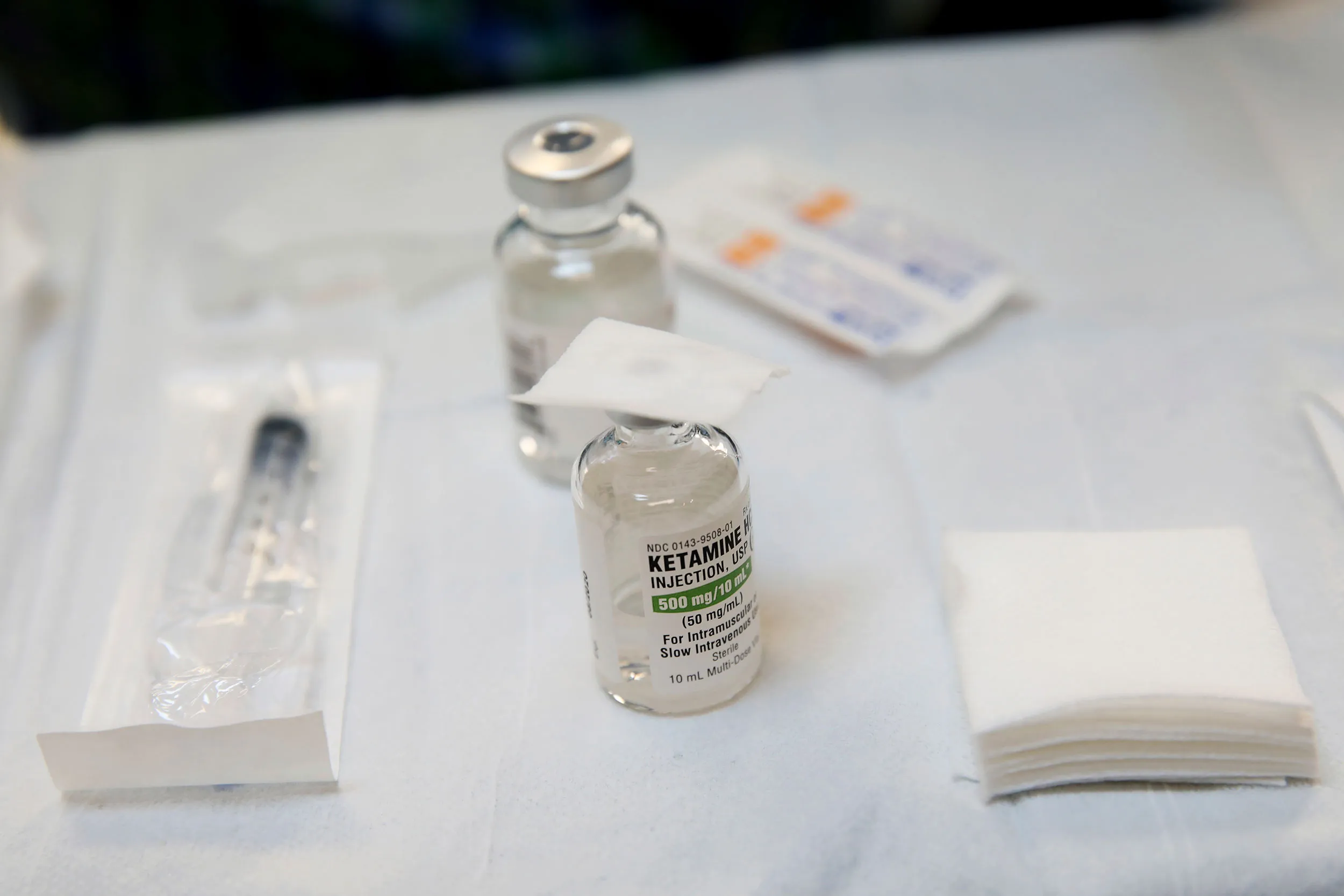
For IV ketamine, clinicians can control the rate of administration and monitor the patient’s response throughout treatment.
For Spravato, the FDA requires administration under a restricted program with healthcare-provider observation because of risks including sedation, dissociation, respiratory depression, and abuse or misuse.
What Is Spravato?
Spravato is the brand name for esketamine nasal spray. It is related to ketamine but is not identical to conventional racemic ketamine.
The FDA has approved Spravato for specific adult depression indications, including treatment-resistant depression. It must be administered according to its approved prescribing requirements and monitored in a healthcare setting.
Patients researching Spravato treatment, ketamine therapy for depression, or IV ketamine therapy should therefore discuss their medical history and treatment goals with a qualified healthcare professional.
IV Ketamine Therapy
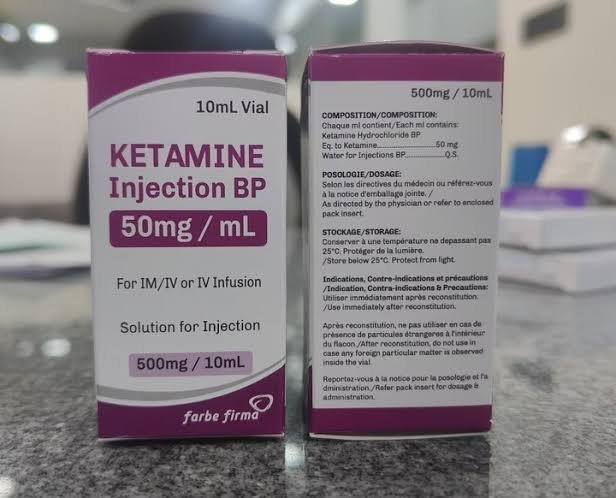
IV ketamine therapy involves administering ketamine intravenously in a controlled clinical environment.
One advantage of IV administration is that the healthcare team can control the infusion and continuously evaluate the patient’s response.
Ketamine infusion therapy has been investigated for several psychiatric and pain-related applications. Poison Control notes that medical ketamine therapy may involve intravenous, oral, or intranasal administration and emphasizes physician supervision.
Whether IV ketamine is appropriate depends on the individual patient’s condition, medical history, treatment goals, and clinical evaluation.
What About Ketamine Troches?
Ketamine troches are compounded oral or sublingual formulations designed to dissolve in the mouth. They are different from Spravato and from IV ketamine.
Because compounded ketamine products can vary in formulation and strength, patients should use them only according to instructions from a qualified prescribing clinician and dispensing pharmacy.
Patients should never attempt to use the concept of a “ketamine lethal dose mg per kg” to calculate their own troche dose.
The appropriate dose depends on the specific prescription, formulation, indication, and clinician’s instructions.
How to Recognize a Ketamine Overdose
Possible warning signs include:
Mild-to-Moderate Toxicity
- Dizziness
- Confusion
- Excessive sedation
- Slurred speech
- Poor coordination
- Nausea
- Vomiting
- Anxiety
- Hallucinations
- Increased heart rate
Severe Toxicity
More serious warning signs include:
- Inability to wake the person
- Severe confusion
- Seizure
- Collapse
- Significant breathing difficulty
- Abnormal or very slow breathing
- Blue or gray lips or skin
- Severe agitation or dangerous behavior
- Loss of consciousness
If severe symptoms occur, do not wait for the person to “sleep it off.”
Poison Control recommends immediate emergency assistance if an individual collapses, has a seizure, has trouble breathing, or cannot be awakened.
What Should You Do If Someone Takes Too Much Ketamine?
If an overdose is suspected:
- Seek emergency medical help immediately.
- Do not induce vomiting.
- Do not give additional medications or recreational substances.
- Keep the person in a safe environment while waiting for help.
- Tell medical professionals exactly what was taken if known.
- Keep the medication container or packaging available.
- Tell clinicians about alcohol or other medications that may have been used.
Poison Control recommends obtaining expert advice immediately rather than waiting for symptoms to develop.
In the United States, Poison Control can be contacted at 1-800-222-1222. Outside the United States, contact your local emergency service or poison information center.
Choosing Safe Ketamine Treatment
People searching for ketamine therapy near me, ketamine for depression, IV ketamine therapy, or Spravato treatment should focus on qualified clinical care rather than trying to determine a dangerous dose themselves.
TheKetamineTherapyClinic.com provides information about ketamine treatment options, including Spravato and IV ketamine therapy. Patients can explore the available treatment pathways and discuss whether a particular approach may be appropriate with qualified healthcare professionals.
The clinic’s published information also explains differences between Spravato and IV ketamine, including their administration, regulatory status, and treatment considerations.
For patients asking about ketamine troches and other ketamine treatment options, a professional evaluation is preferable to choosing a dose based on internet calculations.
Frequently Asked Questions About Ketamine Lethal Dose mg per kg
What is the ketamine lethal dose mg per kg?
There is no reliable, clinically established human lethal dose of ketamine in mg/kg. Published figures vary and may be based on animal data or theoretical estimates. They should not be used to calculate a dangerous or supposedly safe dose.
Can you overdose on ketamine?
Yes. Ketamine overdose can cause severe sedation, altered consciousness, cardiovascular effects, vomiting, seizures, and potentially life-threatening complications. The risk can increase substantially when other substances are involved.
Is ketamine dangerous?
Ketamine can be dangerous when misused or taken without appropriate medical supervision. When used therapeutically, clinicians carefully select patients, control administration, and monitor for adverse effects.
What are the symptoms of ketamine overdose?
Symptoms may include extreme sedation, confusion, dissociation, hallucinations, vomiting, impaired coordination, abnormal cardiovascular effects, seizures, loss of consciousness, and breathing problems.
Can ketamine cause respiratory depression?
Yes. Respiratory depression has been reported with ketamine-related treatment, and the FDA specifically warns about respiratory depression with Spravato.
Can ketamine and alcohol be taken together?
Combining ketamine with alcohol can increase impairment and sedation. Patients should discuss alcohol use with their healthcare provider and follow their treatment instructions.
Is Spravato the same as ketamine?
No. Spravato contains esketamine, while conventional ketamine is generally a racemic mixture. Spravato has specific FDA-approved indications and is subject to a restricted monitoring program.
Is Spravato covered by insurance?
Insurance coverage varies by plan, diagnosis, provider, and authorization requirements. The FDA-approved status of Spravato can make its insurance pathway different from off-label IV ketamine. Patients should verify their individual benefits before treatment.
How does IV ketamine therapy work?
IV ketamine therapy delivers ketamine through an intravenous infusion under clinical supervision. The treatment team can monitor the patient’s response throughout the session.
What are ketamine troches?
Ketamine troches are compounded oral or sublingual formulations. They are different from IV ketamine and Spravato and should only be used according to an individualized prescription and professional instructions.
Where can I learn about ketamine therapy options?
Patients researching Spravato, IV ketamine, ketamine troches, and other ketamine treatment options can visit TheKetamineTherapyClinic.com to explore available information and treatment pathways.
Final Thoughts on Ketamine Lethal Dose mg per kg
The search term “ketamine lethal dose mg per kg” may appear to have a straightforward numerical answer, but medicine does not support using one number as a dependable human fatal threshold.
Ketamine toxicity depends on the person, formulation, route, exposure, timing, and interactions with other substances. Fatal outcomes are uncommon in appropriately supervised therapeutic settings, but serious toxicity and death have been reported, particularly in overdose and polysubstance situations.
If you are considering ketamine for depression, PTSD, anxiety, chronic pain, or another condition, the safer question is not “What is the lethal dose?” but “Which treatment option is medically appropriate for me, and how can it be administered safely?”
For information about Spravato, IV ketamine therapy, ketamine troches, and other ketamine treatment options, visit TheKetamineTherapyClinic.com and discuss your options with a qualified healthcare professional.