
Florida at home ketamine treatment has become an increasingly discussed option for people researching ketamine therapy for depression, anxiety, PTSD, and other conditions. Unlike traditional ketamine infusion clinics, at-home programs may allow eligible patients to complete certain portions of treatment remotely through telehealth under medical supervision.
However, at-home ketamine treatment is not appropriate for everyone. Ketamine is a prescription medication with important safety considerations, and treatment should involve a qualified healthcare professional who can determine whether it is medically appropriate.
This guide explains how Florida at-home ketamine treatment works, who may qualify, potential benefits and risks, costs, telehealth requirements, and questions to ask before choosing a provider.
What Is Florida At Home Ketamine Treatment?
Florida at-home ketamine treatment generally refers to a medically supervised program in which an eligible patient receives a prescribed ketamine medication and completes treatment sessions at home according to instructions from a healthcare professional.
Depending on the provider and treatment plan, the process may involve:
- An initial medical and psychiatric evaluation
- Review of medical history and current medications
- Telehealth appointments
- Prescription-based treatment
- Instructions for preparing the treatment environment
- Remote clinical monitoring
- Follow-up appointments
- Assessment of treatment response and side effects
The exact process varies between providers. Patients should never use ketamine obtained from an unverified source or change the prescribed dose without medical guidance.
How Does At-Home Ketamine Therapy Work?
The first step usually involves an evaluation with a licensed healthcare professional. The provider determines whether ketamine treatment may be appropriate based on the patient’s symptoms, medical history, medications, previous treatments, and potential risk factors.
If the clinician determines that treatment is appropriate, they may establish a personalized treatment plan.
For some patients, treatment may take place at home after the provider gives detailed instructions. The patient may need to remain in a safe, quiet environment and follow specific restrictions before and after treatment.
Some programs also require a responsible adult to be available, depending on the medication, treatment protocol, and provider’s safety requirements.
Because ketamine can temporarily affect perception, coordination, alertness, and judgment, patients should follow all post-treatment restrictions provided by their clinician.
Who May Be a Candidate for At-Home Ketamine Treatment?
Eligibility depends on the individual and the provider’s clinical criteria.
Ketamine has been studied and used in different medical settings, including treatment-resistant depression and certain pain conditions. Ketamine and esketamine are not interchangeable, and FDA-approved indications differ from off-label clinical use.
A provider may consider factors such as:
- Diagnosis and symptom severity
- Previous treatments
- Current medications
- Cardiovascular health
- Blood pressure
- History of substance-use problems
- Psychiatric history
- Pregnancy status
- Other medical conditions
A proper evaluation is particularly important because ketamine can interact with other medications and may not be appropriate for certain individuals.
At-Home Ketamine vs. Ketamine Infusion Therapy
One of the most common questions surrounding Florida at-home ketamine treatment is how it compares with ketamine infusion therapy.
Traditional ketamine infusion therapy takes place in a medical facility. A healthcare team administers ketamine intravenously and monitors the patient throughout the session.
At-home treatment can provide greater convenience because eligible patients may not need to travel to a clinic for every session.
However, an infusion clinic provides direct in-person medical monitoring, which can be particularly important for patients with complicated medical histories or those who require closer observation.
Neither approach is automatically better for everyone. The appropriate option depends on the patient’s health, treatment goals, medical history, and clinician’s recommendation.
Potential Benefits of At-Home Ketamine Treatment
Convenience is one of the biggest reasons people research at-home ketamine treatment.
Potential advantages can include:
Greater Convenience
Patients may avoid traveling to a clinic for every treatment session.
Telehealth Access
Some providers offer virtual consultations, making it easier for patients in different parts of Florida to discuss treatment with qualified clinicians.
Comfortable Environment
Eligible patients may complete treatment in a familiar home environment rather than a clinical setting.
Structured Follow-Up
Reputable programs typically include medical assessments and follow-up appointments rather than simply providing medication without clinical oversight.
It is important to remember that convenience should never replace appropriate medical supervision.
Is At-Home Ketamine Safe?
Ketamine can be safe when used appropriately under professional medical supervision, but it is not risk-free.
Possible short-term effects may include:
- Drowsiness
- Dizziness
- Nausea
- Increased blood pressure
- Changes in perception
- Temporary confusion
- Impaired coordination
- Dissociation
Some people may experience unpleasant psychological effects.
Long-term or repeated ketamine exposure can also involve additional risks, particularly when the medication is used improperly or without appropriate monitoring.
Patients should tell their healthcare provider about all prescription medications, over-the-counter medications, supplements, alcohol use, and other substances before beginning treatment.
How Much Does At-Home Ketamine Treatment Cost in Florida?
The cost of at-home ketamine treatment in Florida varies considerably between providers and treatment programs.
Pricing can depend on:
- Initial evaluation fees
- Follow-up appointments
- Medication costs
- Number of treatment sessions
- Telehealth services
- Monitoring requirements
- Additional psychiatric or therapeutic services
Some clinics package consultations, monitoring, and medication management together, while others charge separately.
Patients should request a complete price breakdown before starting treatment. Ask whether the quoted price includes medical evaluations, follow-up appointments, prescriptions, monitoring, and other services.
Insurance coverage can also vary depending on the treatment, provider, diagnosis, and insurance plan.
Does Insurance Cover At-Home Ketamine Therapy?
Insurance coverage for ketamine treatment depends on the specific medication and medical indication.
Traditional ketamine treatment may be considered off-label for certain psychiatric conditions, which can make reimbursement complicated. FDA-approved esketamine treatment has different coverage considerations and is generally administered under specific clinical requirements.
Patients should contact their insurance company and ask about:
- Mental health benefits
- Out-of-network coverage
- Prior authorization
- Prescription coverage
- Medical necessity requirements
- Deductibles and copayments
A provider’s billing department may also be able to explain which services they submit to insurance.
What Should You Look for in a Florida Ketamine Provider?
Choosing the right provider is one of the most important parts of researching Florida at-home ketamine treatment.
Look for a service that:
Uses licensed healthcare professionals. You should know who evaluates you, prescribes treatment, and provides follow-up care.
Requires medical screening. A legitimate medical program should not treat every patient automatically.
Provides clear dosing instructions. Patients should understand exactly how and when medication should be used.
Offers follow-up care. Ketamine treatment should not be treated as a simple medication purchase.
Explains risks and contraindications. Providers should discuss potential side effects and circumstances in which treatment may not be appropriate.
Provides emergency guidance. Patients should know what to do if they experience concerning symptoms.
Protects patient information. Telehealth providers should use appropriate privacy and security practices.
Florida At Home Ketamine and Telehealth
Telehealth has made it easier for patients to discuss mental health treatment without immediately traveling to a physical clinic.
During a telehealth evaluation, a clinician may discuss symptoms, previous treatments, medical history, medications, treatment goals, and potential risks.
Florida patients should verify that the clinician and treatment program are properly licensed and authorized to provide telehealth services where the patient is located.
Telehealth rules can change, so patients should confirm current requirements directly with their healthcare provider.
Can Ketamine Treat Depression?
Ketamine has received substantial attention for its potential role in treatment-resistant depression. Research has shown that ketamine can produce relatively rapid antidepressant effects in some patients, although responses vary.
Ketamine treatment should not be viewed as a universal replacement for conventional depression treatments.
A qualified mental health professional can determine whether ketamine, esketamine, psychotherapy, conventional antidepressants, or another treatment approach is appropriate.
Patients should also discuss any history of suicidal thoughts or severe psychiatric symptoms with their healthcare provider because these circumstances can require immediate clinical assessment.
Can Ketamine Help With Anxiety or PTSD?
People also search for ketamine for anxiety and ketamine for PTSD.
Research into ketamine for these conditions continues, and some clinical settings use ketamine as part of specialized treatment plans. However, evidence and regulatory status vary depending on the specific condition.
Patients should avoid assuming that positive reports about ketamine automatically mean it is appropriate for their particular diagnosis.
A clinician should evaluate the available evidence, potential benefits, risks, and alternative treatments before recommending ketamine.
Pharmaceutical-Grade Ketamine and Medical Supervision
Patients researching pharmaceutical-grade ketamine should understand the difference between medication prescribed through a legitimate healthcare pathway and products obtained from unverified online sources.
Prescription ketamine should come through an appropriate medical and pharmacy system. Patients should never rely on websites that sell prescription medication without appropriate clinical evaluation or attempt to self-medicate.
For readers researching ketamine treatment options, TheKetamineTherapyClinic.com can be presented as a resource for learning about clinician-supervised ketamine treatment options. Any medication use should remain subject to professional evaluation, a valid prescription where required, and applicable laws and regulations.
Preparing for an At-Home Ketamine Session
If a clinician has approved at-home treatment, follow the provider’s instructions carefully.
Preparation may include:
- Staying in a comfortable, quiet environment
- Following medication and fasting instructions
- Avoiding alcohol or other substances as directed
- Arranging transportation if required
- Having a support person available when recommended
- Keeping your phone available for clinical communication
- Avoiding driving or operating machinery after treatment
- Following all post-treatment instructions
Never modify your treatment schedule because another person’s experience appears different.
Frequently Asked Questions About Florida At Home Ketamine
What is Florida at home ketamine?
Florida at home ketamine refers to prescription ketamine treatment that eligible patients may complete at home as part of a medically supervised treatment program. Patients typically undergo an evaluation and receive instructions and follow-up care from a qualified clinician.
Can I get ketamine prescribed online in Florida?
Some healthcare providers offer telehealth evaluations for patients who may be candidates for prescription ketamine treatment. Eligibility depends on medical assessment, applicable laws, and the provider’s clinical policies.
How much does at-home ketamine therapy cost?
The cost varies based on the provider, medication, number of sessions, consultations, monitoring, and other services. Patients should request a complete cost breakdown before beginning treatment.
Is ketamine therapy covered by insurance?
Coverage varies. Some ketamine treatments may have limited insurance coverage, while FDA-approved esketamine has specific insurance and administration requirements. Patients should confirm benefits directly with their insurance provider.
Is ketamine FDA approved for depression?
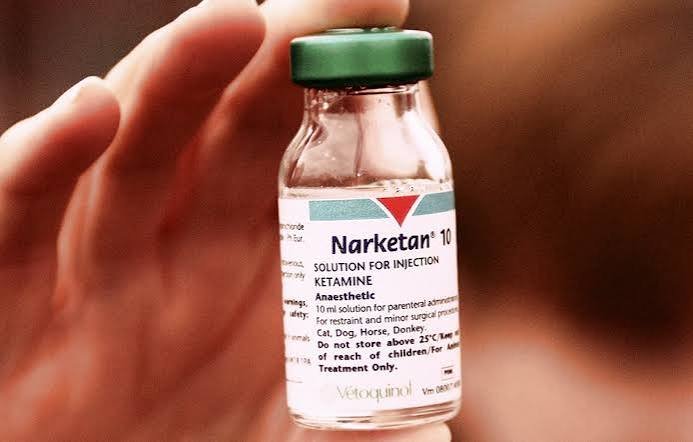
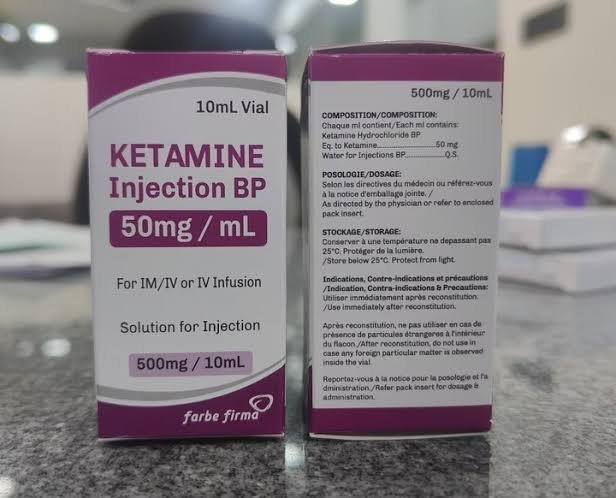
Ketamine itself has FDA-approved uses as an anesthetic rather than a general FDA-approved indication for depression. Esketamine has an FDA-approved indication for certain adults with treatment-resistant depression and is administered under specific conditions.
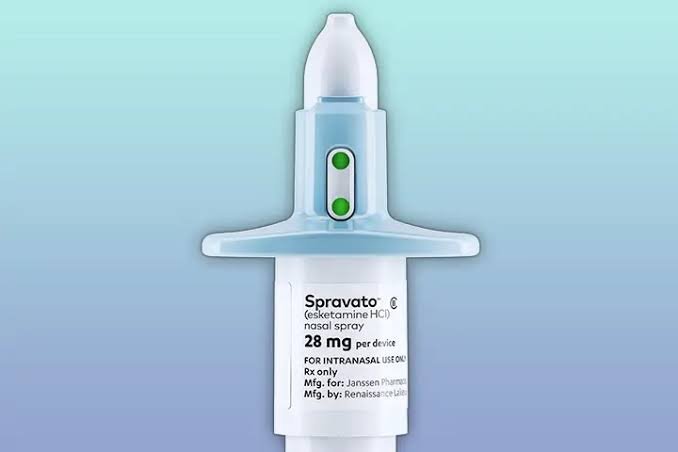
What is the difference between ketamine and Spravato?
Spravato is the brand name for esketamine nasal spray. It is different from racemic ketamine and has specific FDA-approved indications and administration requirements.
Can ketamine be used for anxiety?
Ketamine is being studied and used in some clinical settings for anxiety-related conditions, but its suitability depends on the individual and the specific diagnosis. Patients should discuss potential benefits and risks with a qualified clinician.
Can ketamine help PTSD?
Ketamine has been investigated for PTSD, and some clinical programs may use it in specialized circumstances. More research is needed, and treatment decisions should be made with a qualified healthcare professional.
How long does ketamine treatment take?
The length of treatment varies according to the medication, clinical protocol, individual response, and treatment goals. Some programs involve multiple sessions followed by periodic reassessment.
Is at-home ketamine therapy safe?
At-home treatment can involve risks, particularly when medication is used without proper medical supervision. Patients should only use prescription ketamine according to instructions from a qualified healthcare professional.
Final Thoughts on Florida At Home Ketamine
Florida at home ketamine treatment may offer a convenient option for appropriately screened patients, particularly when telehealth and structured follow-up are available. However, convenience should never come at the expense of safety.
Before beginning treatment, verify the provider’s credentials, understand the treatment protocol, ask about costs and insurance, review potential side effects, and make sure you have appropriate follow-up care.
For readers exploring legitimate ketamine therapy and treatment options, TheKetamineTherapyClinic.com can serve as a starting point for learning more about available clinician-supervised approaches. Always discuss prescription medication with a qualified healthcare professional and use ketamine only as directed.