When people search for types of ketamine, they often encounter several different terms. Racemic ketamine, esketamine, and arketamine all relate to the same chemical family. However, each one has important differences.
Ketamine has served as a medical anesthetic for decades. More recently, researchers have studied its effects on depression and other mental health conditions. This research has also led to the development and approval of esketamine for specific depression-related uses in the United States.
Understanding these differences can help you make sense of online information about ketamine therapy. It can also help you distinguish between an approved medication, an off-label treatment approach, and an experimental compound.
This comprehensive guide explains the types of ketamine, their differences, potential medical applications, safety considerations, and frequently asked questions.
Medical disclaimer: This article provides general educational information and does not replace medical advice. Ketamine and esketamine require appropriate professional oversight. Regulations and approved uses can also vary between countries.
What Are the Main Types of Ketamine?
The three forms most commonly discussed in medical research are:
- Racemic ketamine
- Esketamine, also called S-ketamine
- Arketamine, also called R-ketamine
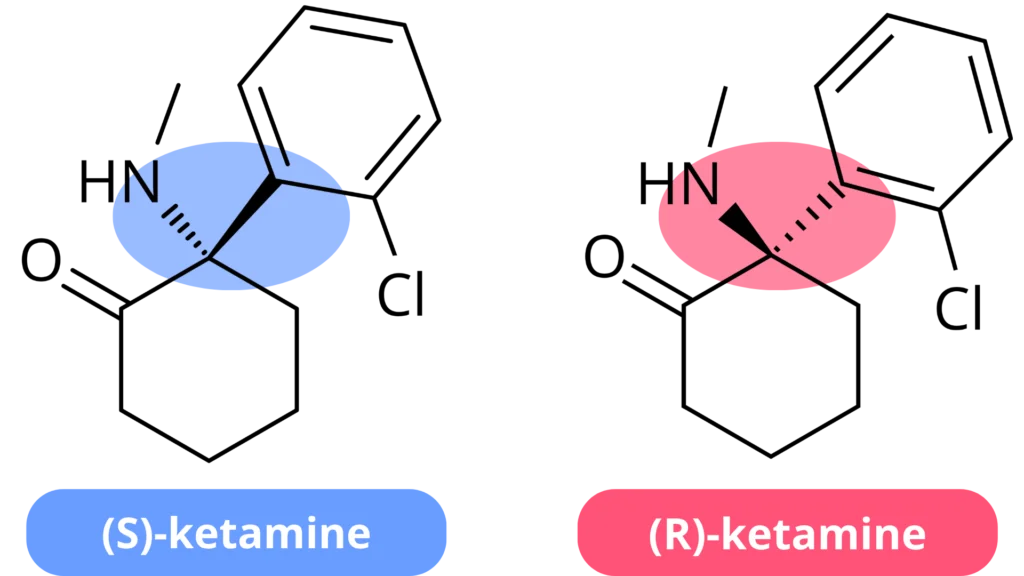
Racemic ketamine contains both R-ketamine and S-ketamine. Scientists call these two molecules enantiomers because they have related but mirror-image structures.
Esketamine represents the S-enantiomer. Arketamine represents the R-enantiomer.
This distinction matters because the three forms do not share exactly the same regulatory status or clinical evidence. For example, FDA-approved ketamine products have anesthetic indications, while Spravato contains esketamine and carries specific FDA-approved indications for certain depression conditions.
1. Racemic Ketamine
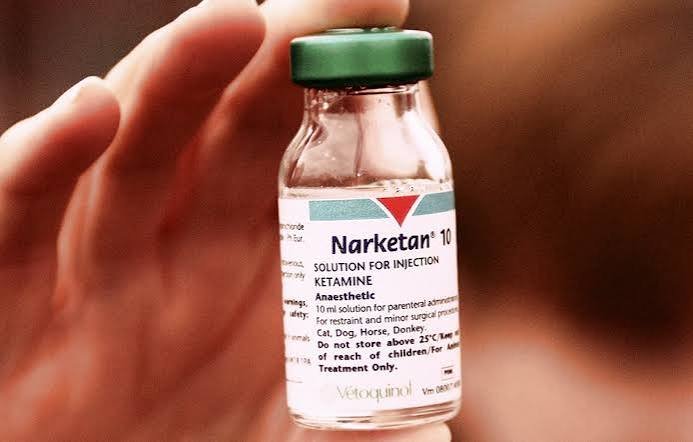
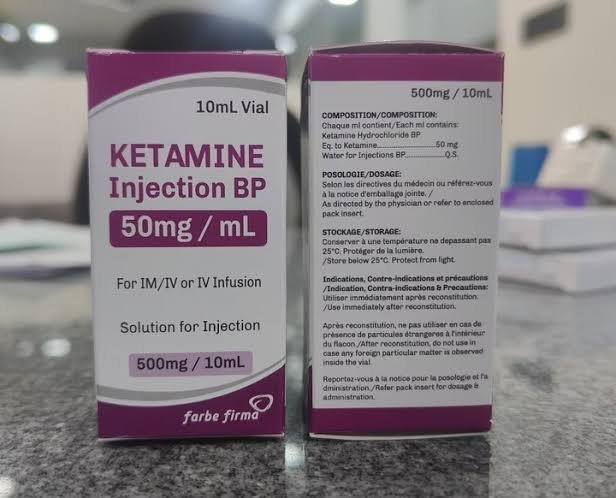
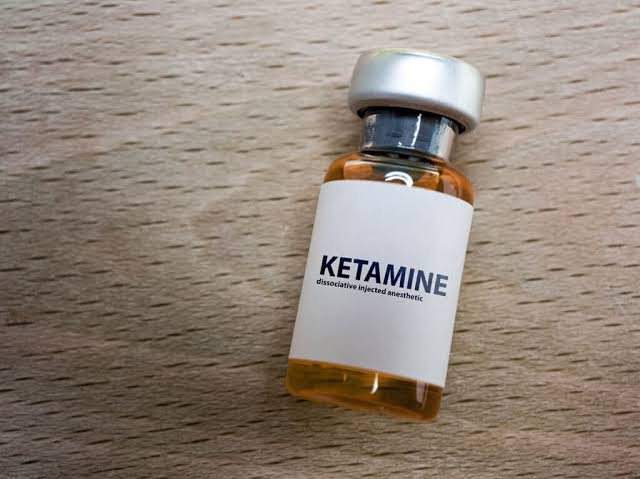
Racemic ketamine represents the conventional form of ketamine used in medicine. It contains both R-ketamine and S-ketamine.
Doctors have used ketamine as an anesthetic for many years. In the United States, FDA-approved ketamine products have indications related to general anesthesia.
Researchers later began studying ketamine for additional medical applications. As a result, the term ketamine therapy now appears frequently in discussions about mental health.
However, an important distinction remains. The FDA has not approved ketamine itself as a treatment for psychiatric disorders in the United States.
Why Is Racemic Ketamine Important?
Racemic ketamine contains two different enantiomers. Therefore, researchers can study the effects of the complete mixture as well as the individual components.
In some clinical settings, healthcare professionals may consider racemic ketamine for off-label uses. Such decisions require professional assessment and should account for the patient’s medical history, treatment goals, risks, and alternatives.
Consequently, people researching ketamine therapy for depression should understand the difference between FDA-approved uses and off-label medical practice.
2. Esketamine
Esketamine, or S-ketamine, represents one half of racemic ketamine.
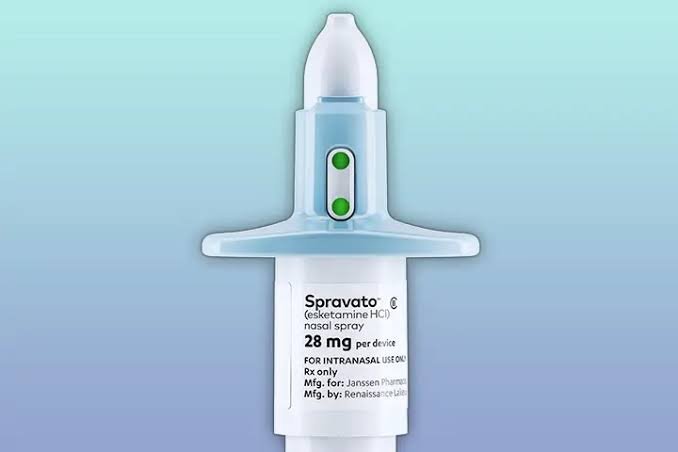
It became especially important in mental health care after the FDA approved Spravato, an esketamine nasal spray. The FDA currently lists treatment-resistant depression in adults as an indication. Spravato also has an indication for depressive symptoms in adults with major depressive disorder accompanied by acute suicidal ideation or behavior, alongside an oral antidepressant.
Unlike conventional ketamine treatment, Spravato follows a specific regulatory and monitoring framework.
Healthcare professionals administer the nasal spray under supervision. Patients also require monitoring after administration because esketamine can cause sedation, dissociation, respiratory depression, increased blood pressure, and other effects.
Is Esketamine the Same as Ketamine?
No. Although esketamine comes from the same chemical family, it is not identical to racemic ketamine.
Racemic ketamine contains both enantiomers. Esketamine contains only the S-enantiomer.
Furthermore, their approved medical uses differ in the United States. Therefore, patients should not assume that any ketamine product can replace an FDA-approved esketamine treatment.
3. Arketamine
Arketamine, also known as R-ketamine, represents the other half of racemic ketamine.
Scientists continue to investigate arketamine because it may produce biological effects that differ from those associated with esketamine or racemic ketamine.
However, research status does not equal regulatory approval.
Arketamine remains an investigational area rather than an FDA-approved psychiatric treatment in the United States. Therefore, anyone researching arketamine should pay close attention to the difference between early research findings and established clinical treatments.
Types of Ketamine Compared
| Type | What it contains | Common clinical context | U.S. psychiatric FDA approval |
|---|---|---|---|
| Racemic ketamine | R-ketamine + S-ketamine | Anesthesia; some off-label clinical applications | No |
| Esketamine | S-ketamine | Specific depression-related indications | Yes, as Spravato |
| Arketamine | R-ketamine | Research and investigation | No |
This comparison highlights one of the most important points about types of ketamine: these substances have different regulatory positions.
How Does Ketamine Work?
Ketamine affects the brain’s glutamate system. More specifically, ketamine and esketamine interact with the NMDA receptor, which plays an important role in glutamate signaling.
Traditional antidepressants often work through serotonin, norepinephrine, or related pathways. Ketamine takes a different pharmacological route.
As a result, researchers have investigated whether changes in glutamate signaling can help explain ketamine’s effects on mood and other brain functions.
The exact mechanisms remain complex. Scientists continue to investigate how different ketamine forms affect neural pathways and clinical outcomes.
Ketamine for Depression
One of the most popular searches related to this topic is ketamine for depression.
Researchers have studied ketamine in people who have not achieved adequate improvement with conventional antidepressant treatments. Some clinicians also consider racemic ketamine for off-label psychiatric use when they believe the potential benefits outweigh the risks.
Nevertheless, patients should understand the difference between research, off-label use, and FDA approval.
Esketamine has specific FDA-approved indications for adults with treatment-resistant depression. It also has an indication for certain adults with major depressive disorder who experience acute suicidal ideation or behavior.
Racemic ketamine does not have the same psychiatric FDA approval.
Therefore, anyone considering ketamine treatment for depression should discuss the available options with a qualified healthcare professional.
What Is Treatment-Resistant Depression?
Treatment-resistant depression generally describes depression that continues despite adequate treatment attempts.
The exact clinical definition can vary. A healthcare professional may consider previous medications, treatment duration, response, side effects, and other factors.
For eligible adults, esketamine provides one FDA-approved treatment option for treatment-resistant depression. The FDA-approved prescribing information specifies how providers should administer and monitor the treatment.
Meanwhile, some clinicians may consider racemic ketamine in an off-label context.
Consequently, a patient should receive an individual assessment instead of selecting a treatment solely from online information.
Ketamine Infusion Therapy
Ketamine infusion therapy generally refers to intravenous administration of ketamine in a medical setting.
An infusion allows healthcare professionals to control administration while monitoring the patient. The appropriate clinical protocol depends on the treatment goal and individual circumstances.
People searching for a ketamine infusion clinic near me should evaluate the provider carefully.
Before choosing a clinic, consider the following:
- Does a qualified clinician conduct an initial assessment?
- Does the provider explain the treatment’s purpose?
- Which ketamine formulation does the clinic use?
- What monitoring does the clinic provide?
- Does the provider discuss possible risks?
- What follow-up care does the clinic offer?
- Does the clinic explain alternative treatments?
These questions can help you identify a responsible healthcare environment.
Ketamine for Anxiety
Interest in ketamine for anxiety has also grown as researchers investigate ketamine-based approaches for different mental health conditions.
However, evidence for one psychiatric condition does not automatically apply to another.
For that reason, patients should avoid assuming that ketamine represents an appropriate treatment for every type of anxiety disorder. A healthcare professional should evaluate symptoms, medical history, current medications, and other relevant factors.
In addition, patients should understand whether a proposed treatment carries regulatory approval or represents off-label clinical use.
Ketamine for PTSD
Researchers have also investigated ketamine in relation to PTSD.
The evidence continues to develop, and treatment approaches can vary. Therefore, people considering ketamine for PTSD should discuss the potential benefits and limitations with a qualified clinician.
A proper evaluation can also help identify evidence-based alternatives, including established psychological and psychiatric treatments.
What Are the Risks of Ketamine?
Ketamine can produce significant effects on the central nervous system. Therefore, medical supervision matters.
Potential effects can include:
- Sedation
- Dissociation
- Dizziness
- Nausea
- Changes in blood pressure
- Impaired coordination
- Changes in perception
- Cognitive impairment
- Respiratory complications in certain circumstances
Esketamine carries specific FDA warnings for sedation, dissociation, respiratory depression, abuse and misuse, increased blood pressure, cognitive impairment, and impaired ability to drive or operate machinery.
The FDA also requires Spravato to remain available through the restricted Spravato REMS program. Patients must receive appropriate monitoring after administration.
For these reasons, patients should not treat ketamine as an ordinary over-the-counter medicine.
Ketamine vs. Esketamine
The question “ketamine vs. esketamine” often creates confusion.
The simplest explanation involves their chemical composition.
Racemic ketamine contains both R-ketamine and S-ketamine. Esketamine contains only S-ketamine.
The regulatory difference matters as well.
FDA-approved ketamine products have anesthetic indications. In contrast, Spravato contains esketamine and has specific FDA-approved indications for treatment-resistant depression and certain depressive symptoms associated with major depressive disorder.
Therefore, a clinician should determine which treatment, if any, fits an individual’s medical situation.
Ketamine Nasal Spray vs. Ketamine Infusion
People often compare ketamine nasal spray with ketamine infusion therapy.
The two approaches differ in several ways.
Spravato uses esketamine and comes with a specific FDA-approved treatment framework. Healthcare professionals administer the nasal spray and monitor patients afterward.
Ketamine infusion therapy typically uses racemic ketamine administered intravenously. In the United States, psychiatric use of racemic ketamine represents an off-label application rather than an FDA-approved psychiatric indication.
Consequently, patients should not assume that these treatments offer identical experiences, evidence, or regulatory protections.
How to Choose a Ketamine Therapy Provider
Finding the right provider involves more than searching for the lowest treatment price.
Check the Clinical Evaluation
First, determine whether the provider conducts a proper assessment before recommending treatment.
Ask About the Medication
Next, ask which form of ketamine the provider uses. Understanding whether the treatment involves racemic ketamine or esketamine can help you understand its regulatory context.
Discuss Your Treatment Goals
Furthermore, ask what condition the treatment targets and what evidence supports the proposed approach.
Understand the Safety Process
A reputable provider should explain potential side effects, contraindications, medication interactions, and monitoring procedures.
Review Follow-Up Care
Finally, ask what happens after treatment. Ongoing clinical follow-up can help a provider evaluate response, side effects, and future treatment needs.
Product & Treatment Campaign: Explore Ketamine Therapy
If you are researching the types of ketamine because you want to understand your treatment options, TheKetamineTherapyClinic.com can provide an educational starting point.
Explore Your Ketamine Therapy Options
Interested in learning whether ketamine-based treatment may be appropriate for you?
Visit TheKetamineTherapyClinic.com to explore educational resources and learn more about ketamine therapy.
Rather than choosing a medication independently, speak with a qualified healthcare professional. A proper evaluation can help determine whether ketamine-based treatment fits your individual needs.
Learn about your options. Understand the differences. Get professionally evaluated. Then make an informed treatment decision.
This approach prioritizes education, safety, and appropriate clinical care.
Frequently Asked Questions About Types of Ketamine
What are the different types of ketamine?
The three major forms include racemic ketamine, esketamine, and arketamine. Racemic ketamine contains both R- and S-ketamine. Esketamine represents the S-enantiomer, while arketamine represents the R-enantiomer.
What is the difference between ketamine and esketamine?
Racemic ketamine contains two enantiomers. Esketamine contains only the S-enantiomer. Additionally, the FDA gives these medications different approved uses in the United States.
What is racemic ketamine?
Racemic ketamine contains both R-ketamine and S-ketamine. Healthcare professionals have used it as an anesthetic for decades. Some clinicians also consider it for off-label applications.
What is esketamine?
Esketamine is the S-enantiomer of ketamine. Spravato contains esketamine and has FDA-approved indications for treatment-resistant depression in adults and certain depressive symptoms associated with major depressive disorder.
What is arketamine?
Arketamine, or R-ketamine, represents one of the two enantiomers found in racemic ketamine. Researchers continue to investigate its potential therapeutic applications.
Is ketamine FDA approved for depression?
The FDA has not approved ketamine itself as a psychiatric treatment. Instead, approved ketamine products carry anesthetic indications. Esketamine, marketed as Spravato, has specific FDA-approved indications for certain depression conditions.
Is ketamine used for treatment-resistant depression?
Yes, clinicians may use racemic ketamine off-label in some circumstances. Esketamine also has an FDA-approved indication for treatment-resistant depression in adults. A qualified healthcare professional should determine whether either option fits an individual’s circumstances.
Is Spravato the same as ketamine?
No. Spravato contains esketamine, while racemic ketamine contains both R-ketamine and S-ketamine. Furthermore, Spravato follows a specific FDA-approved administration and monitoring program.
How does ketamine therapy work?
Ketamine interacts with the NMDA receptor and influences glutamate signaling. Researchers believe these effects may contribute to changes in neural pathways associated with mood and other brain functions.
How long does ketamine take to work for depression?
Response times vary between individuals and treatment approaches. Therefore, patients should discuss expected timelines with their healthcare provider rather than rely on a universal timeframe.
Is ketamine safe?
Ketamine can cause significant side effects. These may include sedation, dissociation, dizziness, nausea, blood-pressure changes, and impaired coordination. Esketamine also carries specific FDA warnings and requires supervised administration.
Can ketamine therapy be done at home?
The answer depends on the specific medication, prescription, jurisdiction, and treatment protocol. Patients should not assume that every ketamine formulation can safely or legally be used at home.
How do I find ketamine therapy near me?
Start by looking for a qualified medical provider that offers appropriate screening, professional supervision, and follow-up care. Before booking treatment, ask about the ketamine formulation, clinical indications, monitoring process, and total treatment plan.
Final Thoughts on the Types of Ketamine
Understanding the types of ketamine can make online research much easier.
Racemic ketamine contains both R-ketamine and S-ketamine. Esketamine contains the S-enantiomer and has specific FDA-approved indications for certain depression-related conditions. Arketamine contains the R-enantiomer and remains an important area of scientific research.
Most importantly, these forms are not interchangeable.
Their chemical composition, clinical evidence, administration, and regulatory status can differ. Therefore, patients should look beyond product names when researching ketamine therapy.
If you are considering treatment, discuss your options with a qualified healthcare professional. Ask questions about the medication, treatment goals, potential benefits, risks, monitoring, and follow-up care.
Ready to learn more? Visit TheKetamineTherapyClinic.com to explore ketamine therapy information and start an informed conversation about your treatment options.
This article is intended for educational purposes and does not provide individualized medical advice.