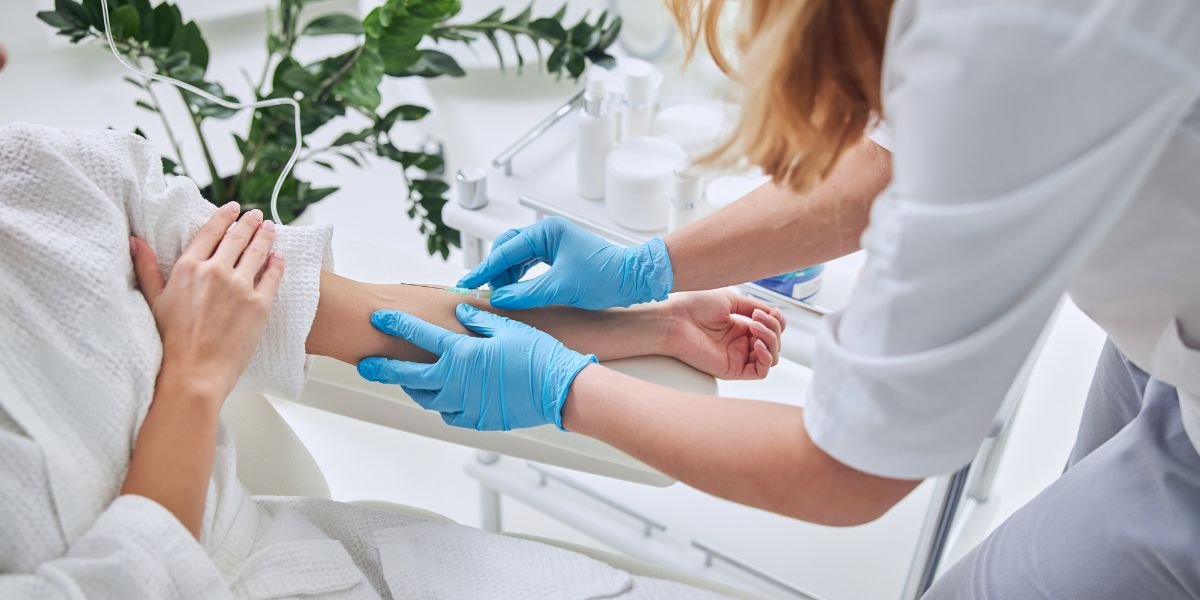
How to Prepare for a Ketamine Session
Knowing how to prepare for a ketamine session can make the experience feel more comfortable, organized, and predictable. Whether you are considering ketamine therapy for depression, anxiety, PTSD, chronic pain, or another condition recommended by a qualified healthcare professional, preparation is an important part of treatment.
Ketamine therapy can produce temporary changes in perception, coordination, mood, and awareness. For this reason, patients should follow their provider’s instructions carefully and understand what to expect before arriving for treatment. Cleveland Clinic notes that ketamine therapy should involve appropriate medical screening, monitoring, and preparation, including reviewing medical history, medications, and individual risk factors.
This guide explains how to prepare for a ketamine session, what to discuss with your healthcare provider, what you may experience during treatment, and what to consider after your session.
What Is a Ketamine Therapy Session?
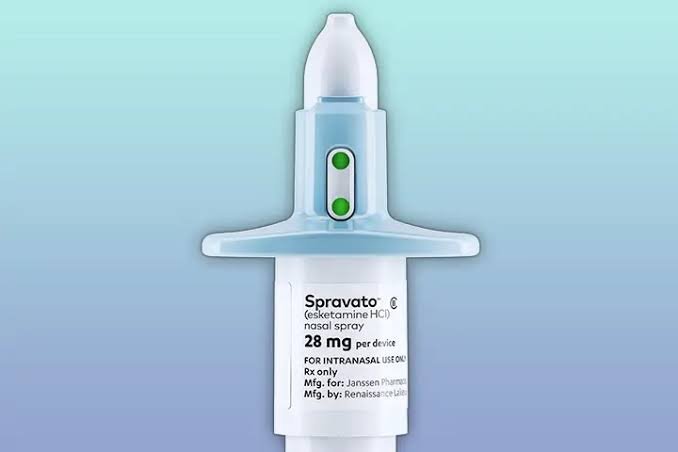
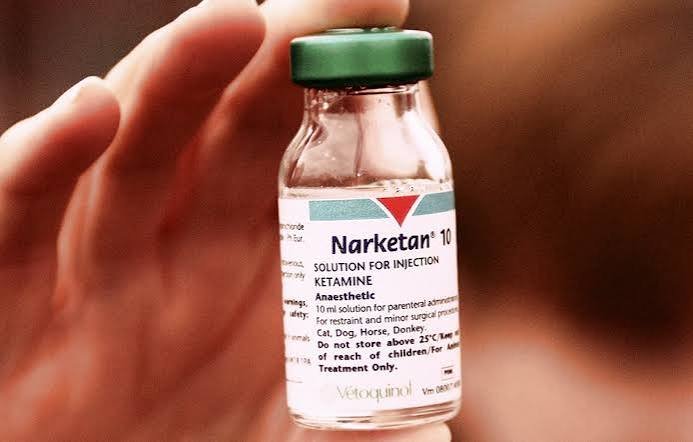
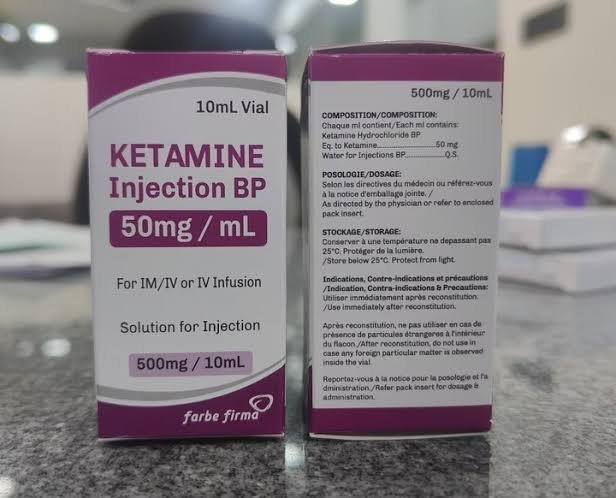
Ketamine is an anesthetic medication that healthcare professionals may use in carefully selected patients for certain mental health and pain-related conditions. Depending on the treatment program, ketamine may be administered through an IV infusion, intranasally, or by another medically supervised route.
Ketamine therapy can cause temporary relaxation, drowsiness, altered perception, dizziness, nausea, or dissociation. Some patients describe the experience as dreamlike or different from ordinary consciousness. The response varies considerably from person to person.
Because the treatment can affect reaction time and judgment, preparation should focus on safety, comfort, transportation, medication review, and following your clinic’s instructions.
1. Complete Your Medical Evaluation First
One of the most important steps in preparing for ketamine therapy is completing a proper medical and psychiatric evaluation.
Your healthcare provider may ask about:
- Your current symptoms and treatment goals
- Previous medications and therapies
- Current prescription medications
- Over-the-counter medications and supplements
- Allergies and previous reactions to medications
- Blood pressure and cardiovascular history
- Liver and kidney health
- Pregnancy or breastfeeding
- Previous substance-use problems
- A history of psychosis or other psychiatric conditions
A thorough evaluation helps your provider determine whether ketamine therapy is appropriate and whether additional precautions are necessary. Cleveland Clinic identifies several conditions that may require avoiding or carefully reconsidering ketamine treatment, including uncontrolled high blood pressure, certain cardiovascular problems, serious liver disease, previous psychosis, and some medication interactions.
Never assume that ketamine therapy is appropriate simply because it has helped someone else. Your medical history and treatment goals should guide the decision.
2. Discuss Every Medication You Take
Medication interactions are an important part of preparing for a ketamine session.
Give your healthcare provider a complete list of prescription medications, over-the-counter products, vitamins, supplements, and other substances you use. Some medications can interact with ketamine or increase sedation and other side effects. Cleveland Clinic specifically lists alcohol, benzodiazepines, opioids, certain antidepressants, sedatives, and other medications among substances that may require consideration.
Do not stop antidepressants, anxiety medications, blood-pressure medications, sleep medications, or any other prescribed treatment on your own.
Instead, ask your prescribing clinician exactly what you should take or avoid before your appointment.
This is particularly important if you take medications that affect blood pressure, alertness, breathing, or the central nervous system.
3. Follow Your Clinic’s Fasting Instructions
Many ketamine programs provide fasting instructions before treatment because ketamine can cause nausea or vomiting.
However, fasting requirements can vary depending on the medication, route of administration, treatment setting, and your individual medical circumstances.
For example, Cleveland Clinic states that some ketamine therapy patients may be instructed to avoid food for at least two hours and liquids for 30 minutes before treatment, while specific protocols can differ.
If you are receiving esketamine nasal spray, specific instructions may also apply regarding food and liquids before treatment.
Therefore, don’t follow a generic fasting schedule from the internet instead of your clinic’s instructions.
Ask your treatment provider:
- When should I stop eating?
- When should I stop drinking?
- Can I take my regular medications?
- Are there different instructions for my specific treatment?
Following the instructions provided by your healthcare team is the safest approach.
4. Avoid Alcohol and Unapproved Substances
Avoid alcohol before a ketamine session unless your healthcare provider specifically tells you otherwise.
Alcohol can increase sedation and may worsen dizziness, impaired coordination, or other effects associated with ketamine. Cleveland Clinic also lists alcohol among substances that can interact with ketamine.
You should also tell your healthcare provider about any recreational drugs or other substances you use. Being honest allows your medical team to make safer treatment decisions.
Your provider may recommend additional precautions or postponing treatment depending on what you have taken.
5. Arrange Transportation Before Your Appointment
Planning transportation is one of the most important practical steps when learning how to prepare for a ketamine session.
Ketamine can temporarily affect coordination, reaction time, alertness, and judgment. Cleveland Clinic recommends arranging transportation home and avoiding driving, operating machinery, working, or making major decisions after treatment.
Ideally, arrange your transportation before treatment day.
Depending on your clinic’s policies, you may need a responsible adult to accompany you or pick you up.
Do not plan to drive yourself home simply because you feel comfortable immediately after treatment. Your ability to judge whether you are safe to drive can itself be affected by the medication.
6. Wear Comfortable Clothing
Comfort can make a difference during a ketamine therapy session.
Choose loose, comfortable clothing that allows you to relax. Avoid anything restrictive or uncomfortable.
You may also want to bring:
- Comfortable socks
- A light sweater
- Headphones
- A calming playlist
- An eye mask if your clinic permits it
- Water for after treatment, if permitted
Ask your clinic before bringing personal items into the treatment room.
A quiet and comfortable environment may help you remain relaxed while the medication takes effect.
7. Prepare Your Mind Before Ketamine Therapy
Mental preparation is another useful part of getting ready for ketamine therapy.
You do not need to force yourself to have a particular experience. Instead, consider what you hope to accomplish through treatment.
You might reflect on questions such as:
- What symptoms do I want to improve?
- What changes would I like to notice over the next several weeks?
- What concerns do I have about treatment?
- What questions do I want to ask my provider?
- What would make me feel safe and comfortable?
Some ketamine therapy programs incorporate psychotherapy or structured integration. Others may focus primarily on medication administration and monitoring.
Discuss your treatment goals with your provider so that your overall treatment plan is clear.
8. Know What You May Experience During a Session
Understanding what may happen can reduce uncertainty.
Patients may experience temporary changes in perception, including a dreamlike sensation, altered sense of time, floating sensations, visual changes, or dissociation. Some people may feel relaxed, while others experience anxiety or discomfort.
Other possible effects include:
- Dizziness
- Nausea
- Increased blood pressure
- Blurred vision
- Drowsiness
- Temporary confusion
- Changes in coordination
- Feelings of detachment
These effects vary among individuals and depend on factors such as the medication, dose, route of administration, medical history, and treatment environment.
Your healthcare team should monitor you throughout treatment and provide instructions about what to do if you experience uncomfortable symptoms.
9. Keep Your Treatment Environment Calm
If you receive ketamine in a supervised clinical setting, the treatment environment can influence your comfort.
A quiet room with limited distractions may help you relax. Some clinics allow patients to listen to calming music through headphones.
Avoid overwhelming yourself with phone calls, work, social media, or other distractions during treatment unless your provider recommends otherwise.
The goal is to give yourself time to relax and allow the healthcare team to monitor you appropriately.
10. Plan a Quiet Schedule After Treatment
Don’t schedule a demanding day immediately after ketamine therapy.
Depending on the type of treatment you receive, your provider may recommend resting after the session and avoiding work, driving, machinery, or important decisions until the effects have completely resolved.
If possible, keep the remainder of your day simple.
You can prepare beforehand by:
- Finishing important errands early
- Arranging transportation
- Preparing an easy meal for later
- Clearing unnecessary appointments
- Planning a comfortable place to rest
- Letting someone you trust know that you are having treatment
A calm post-treatment routine can make the day easier.
How to Prepare for an At-Home Ketamine Session
If your provider has specifically prescribed an at-home ketamine treatment, preparation may be different from an in-clinic infusion.
Do not assume that instructions for IV ketamine or supervised nasal esketamine automatically apply to an at-home protocol.
Your healthcare provider should explain:
- How and when to use the prescribed medication
- Whether you need to fast
- Which medications you should take or avoid
- Whether someone should remain with you
- What environment is appropriate
- How long you should avoid driving
- What symptoms require medical attention
- When you should contact your treatment team
An at-home treatment should still be based on a legitimate medical evaluation and individualized instructions.
If you’re exploring professional guidance, you can learn more about ketamine therapy through TheKetamineTherapyClinic.com and discuss your questions with an appropriate healthcare professional.
What Should You Ask Before Your First Ketamine Session?
Before starting treatment, consider asking your provider:
- Am I a suitable candidate for ketamine therapy?
- What type of ketamine treatment will I receive?
- How should I prepare on the day of treatment?
- How long should I fast?
- Which medications should I take before treatment?
- What side effects should I expect?
- How long will monitoring last?
- Do I need someone to drive me home?
- When can I return to normal activities?
- What should I do if I experience concerning symptoms?
Getting clear answers before treatment can make your first appointment less stressful.
Is Ketamine Therapy Safe?
Ketamine therapy can be administered safely in appropriate patients when healthcare professionals use appropriate screening, dosing, monitoring, and follow-up.
However, ketamine is not appropriate for everyone. Potential side effects include nausea, dizziness, dissociation, increased blood pressure, anxiety, blurred vision, and other temporary effects. Rare but more serious complications can occur.
That is why medical supervision and proper patient selection matter.
Patients should also understand that ketamine therapy is not a guaranteed treatment or a replacement for comprehensive mental healthcare. Your provider can explain the potential benefits, limitations, risks, and alternatives based on your individual circumstances.
Frequently Asked Questions About Preparing for a Ketamine Session
How should I prepare for a ketamine session?
Follow your healthcare provider’s instructions regarding fasting, medications, alcohol, transportation, and treatment-day activities. Complete your medical evaluation and arrange transportation before your appointment.
Can I eat before a ketamine therapy session?
Your provider may ask you to avoid food for a specific period before treatment because ketamine can cause nausea. The exact fasting period depends on your treatment protocol, so follow your clinic’s instructions rather than using a generic schedule.
Can I drink water before ketamine therapy?
Some protocols allow fluids until a specified time before treatment. Others may have different requirements. Ask your healthcare provider when you should stop drinking.
Can I drive after a ketamine session?
You should not plan to drive immediately after ketamine treatment. Ketamine can temporarily affect reaction time, coordination, alertness, and judgment. Arrange transportation according to your provider’s instructions.
What should I wear to ketamine therapy?
Comfortable, loose-fitting clothing is generally practical. You may also want to bring headphones if your clinic allows them.
What does ketamine therapy feel like?
People can experience ketamine differently. Some describe relaxation, dreamlike sensations, altered perception, floating sensations, or dissociation. Temporary dizziness, nausea, blurred vision, or increased blood pressure can also occur.
Can I take my regular medications before ketamine therapy?
Do not change or stop prescription medications without medical advice. Tell your provider about everything you take so they can determine whether any adjustments are necessary.
How long does a ketamine therapy session take?
The total appointment can vary depending on the treatment method and monitoring requirements. Cleveland Clinic notes that some ketamine therapy visits can last approximately two to three hours.
What should I do after ketamine therapy?
Follow your provider’s post-treatment instructions. Many patients need transportation home and should avoid driving, machinery, demanding work, and major decisions until the effects have fully resolved.
Where can I learn more about ketamine therapy?
If you’re researching ketamine treatment, TheKetamineTherapyClinic.com can be a starting point for learning more and exploring professional treatment information. Always discuss your eligibility, medications, risks, and treatment plan with a qualified healthcare provider.
Final Thoughts
Learning how to prepare for a ketamine session is an important part of approaching treatment responsibly. Preparation goes beyond simply arriving at your appointment. A complete medical evaluation, medication review, appropriate fasting, avoiding alcohol and unapproved substances, arranging transportation, wearing comfortable clothing, and planning time to rest can help you approach treatment more safely and comfortably.
Most importantly, follow the specific instructions provided by your healthcare team. Ketamine therapy protocols can differ depending on the medication, route of administration, treatment goal, and individual medical circumstances.
If you’re considering ketamine therapy and want to learn more about your options, visit Theketaminetherapyclinic.com to explore additional information and connect with a qualified treatment provider.
Important: This article is for educational purposes and does not replace an individualized medical evaluation. Ketamine should be used only as directed by a qualified healthcare professional.