Living with bipolar disorder can involve periods of severe depression that are difficult to manage, particularly when standard treatments have not provided enough relief. This has led to growing interest in ketamine for bipolar depression and whether ketamine treatment could offer a rapid therapeutic option for people with treatment-resistant symptoms.
However, ketamine is not a straightforward treatment for bipolar disorder, and the evidence remains limited. Here’s what current research suggests.
What Is Ketamine?
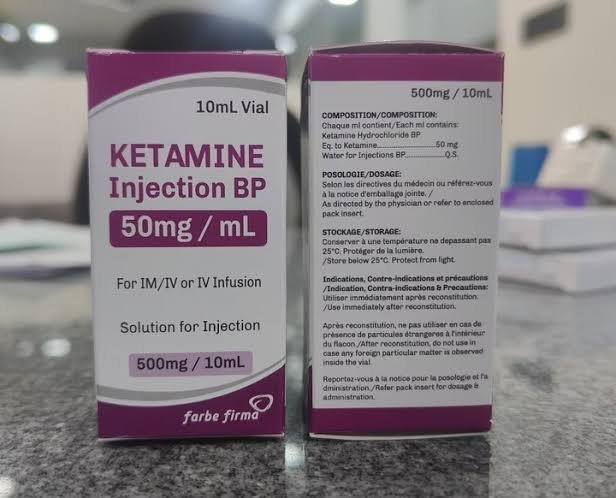
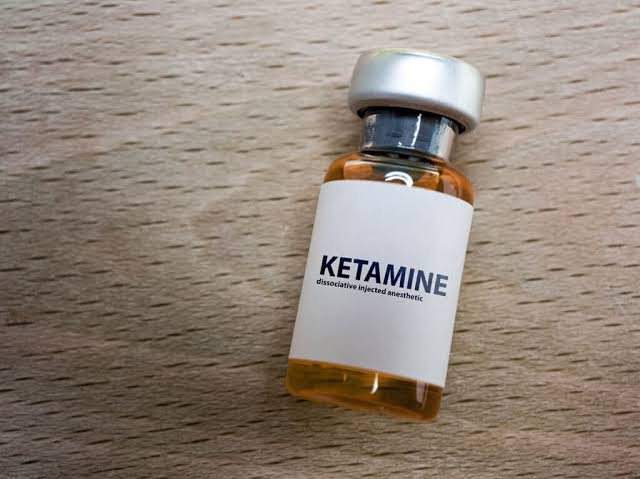
Ketamine is a medication that has traditionally been used as an anaesthetic. In controlled medical settings, it has also attracted attention for its rapid antidepressant effects.
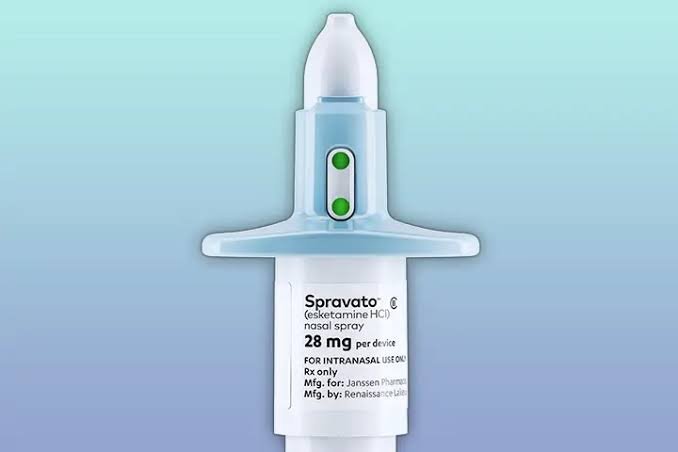
Research into ketamine and bipolar disorder has primarily focused on bipolar depression, rather than mania. Studies have investigated intravenous ketamine and, in some clinical settings, esketamine as potential treatments for people whose depressive symptoms have not responded adequately to conventional approaches.
Can Ketamine Help Bipolar Depression?
Early research is promising but still developing. A 2023 systematic review identified eight studies involving 235 people with bipolar disorder. Across the studies, approximately 48% of participants receiving ketamine achieved a clinical response, compared with 5% receiving placebo. However, the researchers emphasized the need for larger, well-designed studies, particularly to understand repeated and maintenance treatment.
More recent real-world research has also explored ketamine and esketamine in treatment-resistant bipolar depression. One 2024 clinical study found reductions in depressive symptoms among some participants, although the results also highlight why careful monitoring is important.
Ketamine and the Risk of Mania
One of the most important considerations is the possibility of mania or hypomania.
People with bipolar disorder can experience mood switching when exposed to certain treatments, so psychiatrists need to carefully assess the potential benefits and risks of any antidepressant strategy.
Research on ketamine has generally reported relatively low rates of manic or hypomanic switching during acute treatment, but the evidence is not sufficient to consider the risk nonexistent. In one recent real-world study, no manic or hypomanic episodes occurred during the initial treatment phase, while some participants experienced manic or hypomanic symptoms during later maintenance treatment.
Is Ketamine a Standard Bipolar Disorder Treatment?
Ketamine should not be viewed as a first-choice treatment for bipolar disorder or something to try without specialist supervision.
Current bipolar disorder guidelines use established, phase-specific treatment strategies for bipolar depression, mania and maintenance care.
Earlier CANMAT/ISBD guidance listed intravenous ketamine as an adjunctive, third-line option for acute bipolar depression, particularly in situations involving severe symptoms or significant suicidal ideation when other treatments have been unsuccessful. It also noted limitations in the available evidence and the need to consider potential misuse.
What Should Patients Consider?
If you’re considering ketamine treatment for bipolar depression, speak with a psychiatrist experienced in treating bipolar disorder. A clinician can review your diagnosis, current medications, previous treatments, mood stability, medical history and risk factors before deciding whether ketamine is appropriate.
Ketamine should never be self-administered or obtained for unsupervised treatment. It can cause dissociation and other short-term effects, while its longer-term role in bipolar disorder continues to be studied.
The Bottom Line
Ketamine for bipolar disorder, particularly treatment-resistant bipolar depression, is an area of active research. Early findings suggest that ketamine may provide rapid antidepressant benefits for some carefully selected patients, but evidence remains limited and potential mood switching requires close monitoring.
If bipolar depression is affecting your quality of life, professional assessment is the best starting point. A qualified mental-health clinician can help you understand evidence-based treatment options and determine whether an emerging treatment such as ketamine has a place in your individual care plan.