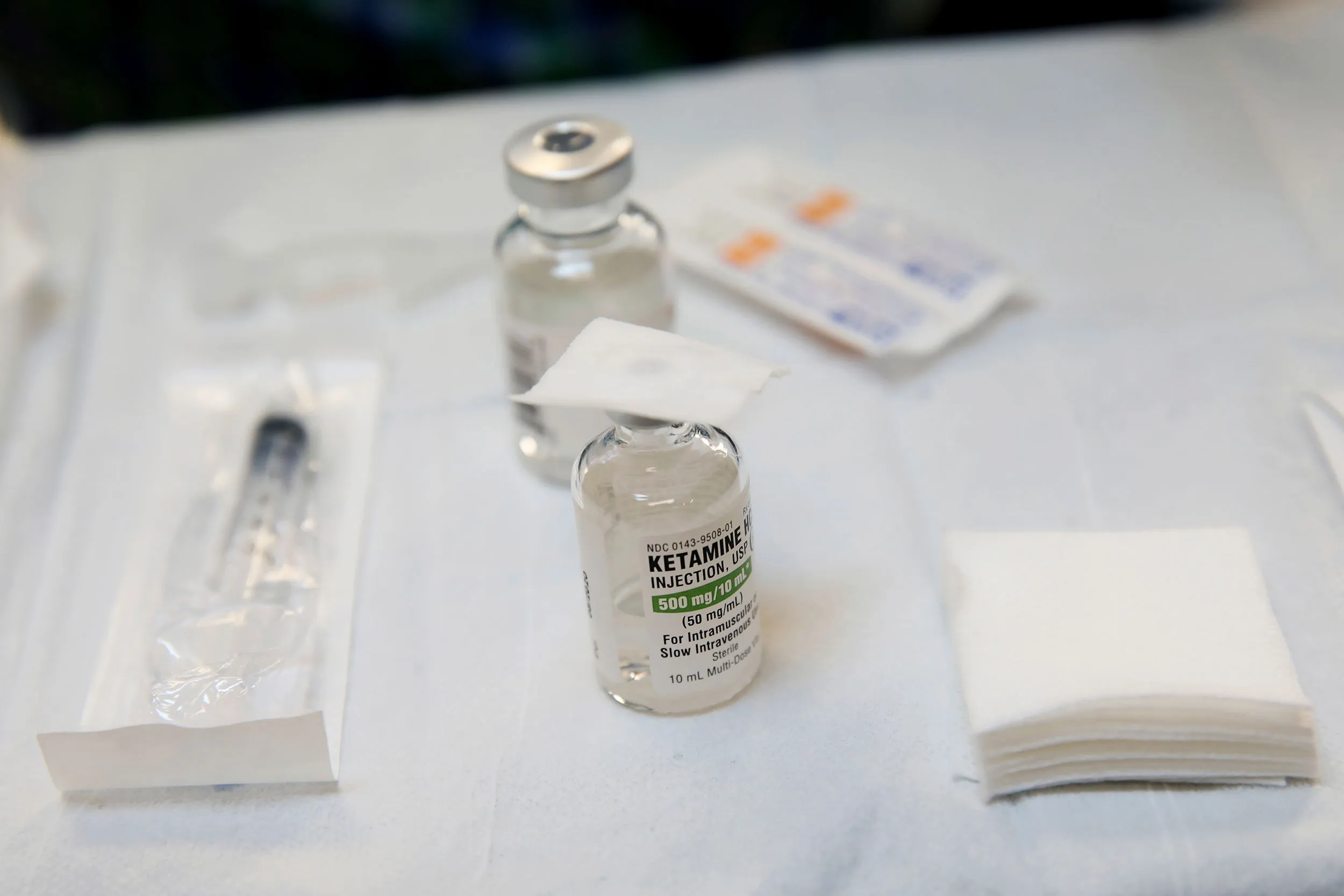
If you have searched “is ketamine therapy legal,” you are not alone. Ketamine has become increasingly discussed as a potential treatment option for conditions such as treatment-resistant depression, while also remaining a federally controlled medication in the United States.
The short answer is yes, ketamine therapy can be legal when provided within applicable medical and regulatory requirements. However, ketamine is a controlled substance, and the legality of its use depends on the medication, purpose of treatment, healthcare provider, location, and applicable federal and state regulations.
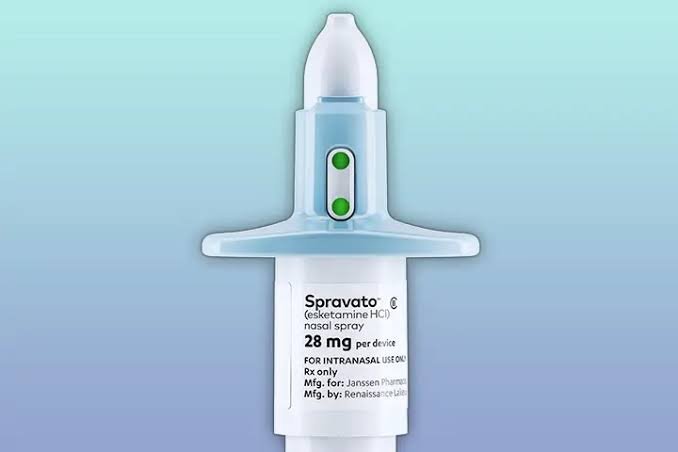
It is also important to understand the difference between ketamine and esketamine. Traditional ketamine is FDA-approved as an anesthetic, but the FDA has not approved ketamine itself as a psychiatric treatment. Esketamine, marketed as Spravato, has FDA-approved psychiatric indications and must be administered under specific safety requirements.
This guide explains is ketamine therapy legal, how ketamine is regulated, what legal ketamine treatment looks like, and what patients should know before choosing a ketamine clinic.
Is Ketamine Therapy Legal in the United States?
Yes. Ketamine is a legal prescription medication in the United States, but it is also classified as a Schedule III controlled substance by the Drug Enforcement Administration (DEA).
Schedule III substances have recognized medical uses but also have potential for misuse and dependence. The DEA specifically lists ketamine among Schedule III controlled substances.
This distinction is important.
Ketamine is not an illegal drug simply because it is controlled. Instead, federal law recognizes legitimate medical uses for ketamine while imposing additional controls over its prescribing, dispensing, and handling.
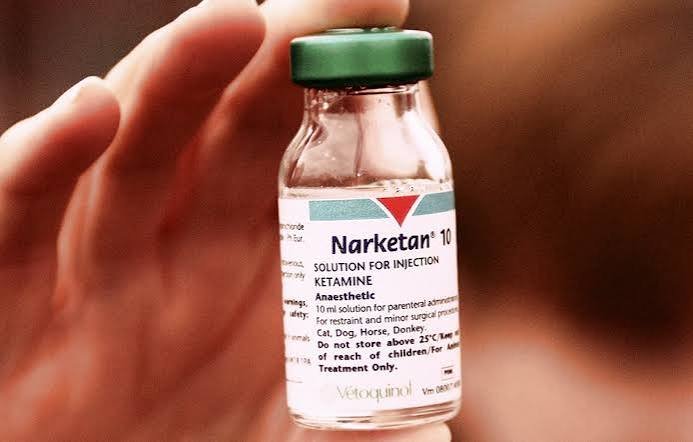
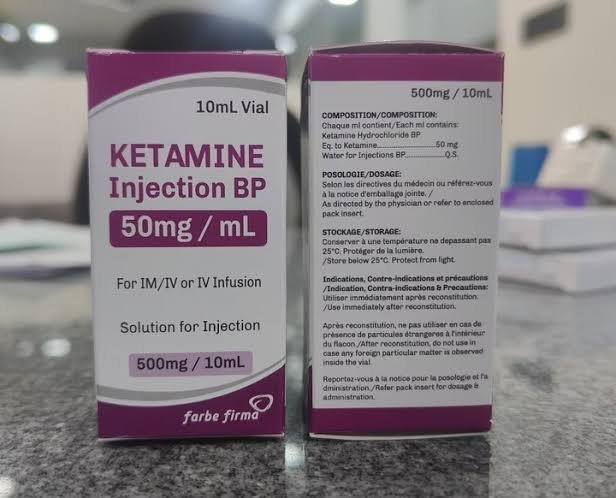
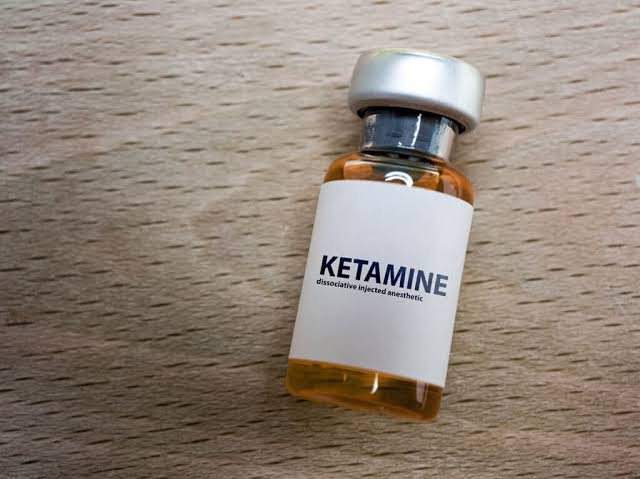
FDA-approved ketamine products, including KETALAR, are indicated as anesthetics. The FDA states that ketamine itself is not FDA-approved for treating psychiatric disorders.
Therefore, when a clinician uses traditional ketamine for a psychiatric condition, such as depression, that use may be considered off-label medical use.
Off-label prescribing is not automatically illegal. Licensed healthcare professionals can sometimes prescribe FDA-approved medications for uses that differ from the specific indications on the FDA label when they determine that doing so is medically appropriate.
However, the provider must still comply with applicable laws, professional standards, prescribing requirements, and controlled-substance regulations.
What Is Ketamine Therapy?
Ketamine therapy refers to medical treatment involving ketamine under the direction of a healthcare professional.
Depending on the provider and treatment plan, ketamine may be administered in a clinical setting using methods such as intravenous administration or other medically supervised approaches.
One commonly discussed approach is ketamine infusion therapy, in which a clinician administers ketamine intravenously while monitoring the patient.
The exact treatment approach varies between clinics, and not every form of ketamine treatment has the same regulatory status.
Patients should therefore ask exactly what medication is being used, how it will be administered, and whether the proposed treatment is FDA-approved for their particular condition.
Is Ketamine FDA Approved for Depression?
This is one of the most important distinctions when researching is ketamine therapy legal.
Traditional ketamine is FDA-approved as an anesthetic. The FDA states that ketamine is not FDA-approved to treat psychiatric disorders.
However, esketamine nasal spray, marketed as Spravato, is FDA-approved for specific psychiatric uses.
According to the FDA, esketamine is approved for adults with treatment-resistant depression and for depressive symptoms in adults with major depressive disorder accompanied by acute suicidal ideation or behavior, in conjunction with an oral antidepressant.
This means that searching for ketamine for depression can lead to two different treatment categories:
- Traditional ketamine used off-label
- FDA-approved esketamine (Spravato)
Understanding this difference can help patients make informed decisions about treatment.
Is Ketamine Therapy Legal If Ketamine Is a Controlled Substance?
Yes.
Being a controlled substance does not make a medication illegal for medical use.
Many prescription medications are controlled because of their potential for misuse, dependence, or diversion. The DEA uses controlled-substance schedules to regulate medications according to factors including medical use and abuse potential.
Ketamine’s Schedule III classification means healthcare professionals must follow applicable rules when prescribing, administering, storing, and dispensing the medication.
Patients should never interpret legal medical access as permission to purchase ketamine from unauthorized sellers or use products that have not been prescribed or supplied through legitimate medical channels.
Is Ketamine Infusion Therapy Legal?
Ketamine infusion therapy can be legal when performed by qualified healthcare professionals who comply with applicable laws and medical standards.
However, traditional ketamine infusion therapy for depression is different from an FDA-approved psychiatric indication.
Ketamine’s FDA-approved labeling covers its use as an anesthetic. When a clinician uses ketamine for another purpose, such as certain psychiatric conditions, that may constitute off-label use.
The legality of the treatment does not mean that every ketamine clinic or online seller is operating legally.
Patients should evaluate whether a clinic:
- Uses licensed healthcare professionals
- Conducts appropriate medical evaluations
- Obtains informed consent
- Uses legally sourced medication
- Maintains appropriate medical records
- Provides adequate monitoring
- Follows controlled-substance requirements
- Has appropriate emergency procedures
These factors matter when searching for a ketamine clinic near me or comparing ketamine treatment providers.
Is Spravato Legal?
Yes.
Spravato (esketamine) is an FDA-approved prescription medication for specific psychiatric indications.
However, it has important safety requirements.
The FDA states that Spravato must be administered in a healthcare setting certified under the Spravato REMS program. Patients are monitored for sedation and dissociation for at least two hours after administration.
The REMS, or Risk Evaluation and Mitigation Strategy, is designed to manage serious risks associated with certain medications.
Therefore, legal Spravato treatment is not simply a matter of obtaining a nasal spray and using it independently at home.
The treatment involves medical supervision and specific safety procedures.
Why Does Ketamine Have Legal Restrictions?
Ketamine has legitimate medical uses, but it also has potential for misuse and abuse.
The Schedule III classification reflects the balance between recognized medical use and controlled-substance risks.
Ketamine can cause effects such as:
- Sedation
- Dissociation
- Changes in perception
- Dizziness
- Increased blood pressure
- Impaired judgment or coordination
Esketamine also carries important warnings concerning sedation, dissociation, respiratory depression, and abuse or misuse.
These risks explain why responsible treatment requires appropriate patient screening and monitoring.
Can a Doctor Prescribe Ketamine for Depression?
A qualified clinician may prescribe FDA-approved ketamine for its approved indications, and clinicians may sometimes prescribe medications off-label when medically appropriate.
However, traditional ketamine is not FDA-approved specifically for depression. Therefore, patients should not assume that every depression treatment involving ketamine follows the same regulatory pathway as Spravato.
If a doctor is considering ketamine for depression, ask:
“Is this an FDA-approved treatment for my condition, or is this an off-label use?”
A reputable provider should be willing to explain the distinction clearly.
Is Ketamine Therapy Legal in Every State?
The answer can depend on state-specific laws and regulations.
Federal law establishes important rules surrounding ketamine because it is a Schedule III controlled substance. However, healthcare licensing, prescribing, telehealth, pharmacy, and controlled-substance requirements can also vary by jurisdiction.
For this reason, a statement that ketamine therapy is “legal everywhere” would be misleading.
If you are considering ketamine therapy near me, check whether the provider is appropriately licensed to practice in your state and whether the treatment model complies with local requirements.
Telehealth treatment can involve additional considerations because the location of the patient, prescriber, pharmacy, and treatment facility may all matter.
Is At-Home Ketamine Therapy Legal?
This question requires particular caution.
There are legitimate healthcare models in which a clinician evaluates a patient remotely and prescribes medication when permitted under applicable laws. However, the legality and appropriateness of at-home ketamine treatment depend on the medication, prescription, treatment model, jurisdiction, and current regulations.
Patients should not purchase ketamine from websites that sell unapproved products directly to consumers.
The FDA has recently taken enforcement action against online sellers marketing unapproved ketamine products, warning that such products can pose serious safety concerns.
Therefore, legal ketamine treatment should involve a legitimate healthcare relationship rather than an anonymous online purchase.
What About Buying Ketamine Online?
Buying ketamine online without a legitimate prescription and appropriate medical oversight is very different from receiving ketamine through a licensed healthcare provider.
The FDA has warned consumers about unapproved ketamine products marketed online. Such products may not have the same assurances regarding identity, quality, strength, sterility, or manufacturing controls as approved medications.
If a website promises to sell ketamine without appropriate medical evaluation, that should be considered a major warning sign.
A legitimate treatment provider should prioritize:
Medical evaluation → appropriate prescribing → legitimate medication supply → supervised treatment → follow-up care
rather than simply selling medication.
What Conditions Is Ketamine Therapy Used For?
Interest in ketamine therapy for depression has grown significantly, particularly among people with difficult-to-treat depression.
Clinicians and researchers have also investigated ketamine in areas including:
- Treatment-resistant depression
- Major depressive disorder
- PTSD
- Anxiety disorders
- Chronic pain
- Other psychiatric or pain-related conditions
However, evidence and regulatory status differ significantly between conditions.
For example, Spravato has FDA-approved psychiatric indications, while traditional ketamine has not received FDA approval for psychiatric disorders.
Patients should therefore avoid assuming that because ketamine has been studied for a particular condition, it is automatically an FDA-approved treatment for that condition.
How to Find a Legal Ketamine Clinic
If you are searching for a ketamine clinic near me, start with the provider rather than the product.
Look for a clinic that clearly explains:
Medical credentials
Verify that qualified healthcare professionals provide the assessment and treatment.
Treatment type
Ask whether the clinic offers traditional ketamine, ketamine infusion therapy, esketamine, or another treatment.
Medical screening
The clinic should evaluate your health history, medications, diagnosis, and potential contraindications.
Monitoring
Ask how you will be monitored before, during, and after treatment.
Emergency procedures
A legitimate medical facility should have procedures for managing adverse reactions.
Transparent pricing
If you are researching ketamine therapy cost, ask whether the quoted price includes consultation, medication, monitoring, and follow-up care.
What Is the Cost of Ketamine Therapy?
The cost of ketamine therapy varies considerably.
Pricing may depend on:
- Geographic location
- Treatment type
- Number of sessions
- Provider qualifications
- Medical monitoring
- Consultation fees
- Follow-up care
- Insurance coverage
Traditional ketamine infusion therapy and Spravato treatment can have different pricing structures.
Before starting treatment, ask for a complete estimate rather than focusing only on the cost of one session.
Does Insurance Cover Ketamine Therapy?
Insurance coverage depends on the specific treatment and insurance plan.
FDA-approved esketamine may have different coverage considerations from off-label ketamine infusion therapy.
If you are researching does insurance cover ketamine therapy, contact your insurer and ask specifically about the medication and diagnosis involved.
You can also ask your provider whether they work with insurance companies or provide documentation that may assist with reimbursement.
Theketaminetherapyclinic and Patient Education
For people researching ketamine therapy, Theketaminetherapyclinic.com can serve as a resource for learning more about ketamine treatment and related mental health topics.
However, patients should always seek an individualized assessment from a qualified healthcare professional before beginning treatment. Educational information cannot replace a medical diagnosis or treatment recommendation.
The most important question is not simply whether ketamine is legal. Instead, patients should ask whether the specific treatment, medication, provider, and treatment setting are appropriate and compliant with applicable requirements.
Important Safety Considerations
Ketamine should not be treated like an ordinary over-the-counter medication.
Patients should never:
- Purchase unknown ketamine products online
- Use ketamine prescribed to someone else
- Change a prescribed treatment without medical advice
- Combine ketamine with other substances without discussing them with a clinician
- Drive or perform dangerous activities while impaired
- Assume that an online advertisement proves a treatment is legitimate
The FDA has specifically highlighted risks associated with unapproved ketamine products and online sales.
For Spravato, the FDA requires administration through the REMS program because of serious risks associated with sedation, dissociation, respiratory depression, abuse, and misuse.
Frequently Asked Questions About Ketamine Therapy
Is ketamine therapy legal?
Yes. Ketamine is a legal prescription medication in the United States and is classified by the DEA as a Schedule III controlled substance. However, its legal medical use depends on appropriate prescribing, administration, and compliance with applicable laws.
Is ketamine legal for depression?
Traditional ketamine is not FDA-approved specifically for psychiatric disorders. However, clinicians may use approved medications off-label when medically appropriate. Esketamine, or Spravato, has FDA-approved indications for certain forms of depression.
Is ketamine infusion therapy legal?
Ketamine infusion therapy can be legal when provided through an appropriate medical practice and in compliance with applicable federal and state requirements. Traditional ketamine infusion for psychiatric conditions is generally an off-label use rather than an FDA-approved psychiatric indication.
Is Spravato legal?
Yes. Spravato is an FDA-approved prescription medication containing esketamine. Because of its safety risks, it is subject to the Spravato REMS program and must be administered under required healthcare supervision.
Is ketamine a controlled substance?
Yes. The DEA classifies ketamine as a Schedule III controlled substance.
Can a doctor prescribe ketamine?
A licensed healthcare professional may prescribe ketamine when legally and medically appropriate. Traditional ketamine is FDA-approved as an anesthetic, while psychiatric use is not an FDA-approved indication.
Is ketamine therapy legal in all 50 states?
Federal law controls ketamine as a Schedule III substance, but state healthcare, prescribing, licensing, and telehealth rules can differ. Patients should verify requirements applicable to their location and treatment provider.
Can I get ketamine therapy online?
Some healthcare services may offer remote consultations and, where legally permitted, remote prescribing. However, patients should avoid websites that sell unapproved ketamine directly without appropriate medical evaluation. The FDA has warned about risks associated with unapproved online ketamine products.
Is at-home ketamine therapy safe?
Safety depends on the medication, patient, clinical model, monitoring, and applicable medical guidance. Ketamine can cause sedation and dissociation, so patients should follow their clinician’s instructions and should not obtain or use unapproved products.
How much does ketamine therapy cost?
Ketamine therapy cost varies according to location, provider, treatment type, number of sessions, monitoring, and insurance coverage. Request a complete treatment estimate before starting.
How do I find a ketamine clinic near me?
Look for a qualified medical provider with appropriate credentials, transparent treatment protocols, proper patient screening, and appropriate monitoring. Ask whether the provider offers traditional ketamine therapy or FDA-approved esketamine treatment.
Final Thoughts
So, is ketamine therapy legal? Yes, but the answer requires more nuance than a simple yes or no.
Ketamine is a legal prescription medication and a Schedule III controlled substance in the United States. It has established medical uses, particularly as an anesthetic. Traditional ketamine, however, is not FDA-approved for psychiatric disorders, while esketamine (Spravato) has specific FDA-approved psychiatric indications.
The safest approach is to work with qualified healthcare professionals and understand exactly what treatment is being offered.
If you are considering ketamine for depression, ketamine infusion therapy, treatment-resistant depression treatment, or Spravato, ask about the medication, regulatory status, eligibility requirements, risks, monitoring, alternatives, and total cost.
Education is the first step toward making an informed treatment decision. Learn more about ketamine therapy through TheKetamineTherapyClinic and discuss your individual circumstances with a qualified healthcare professional before beginning treatment.