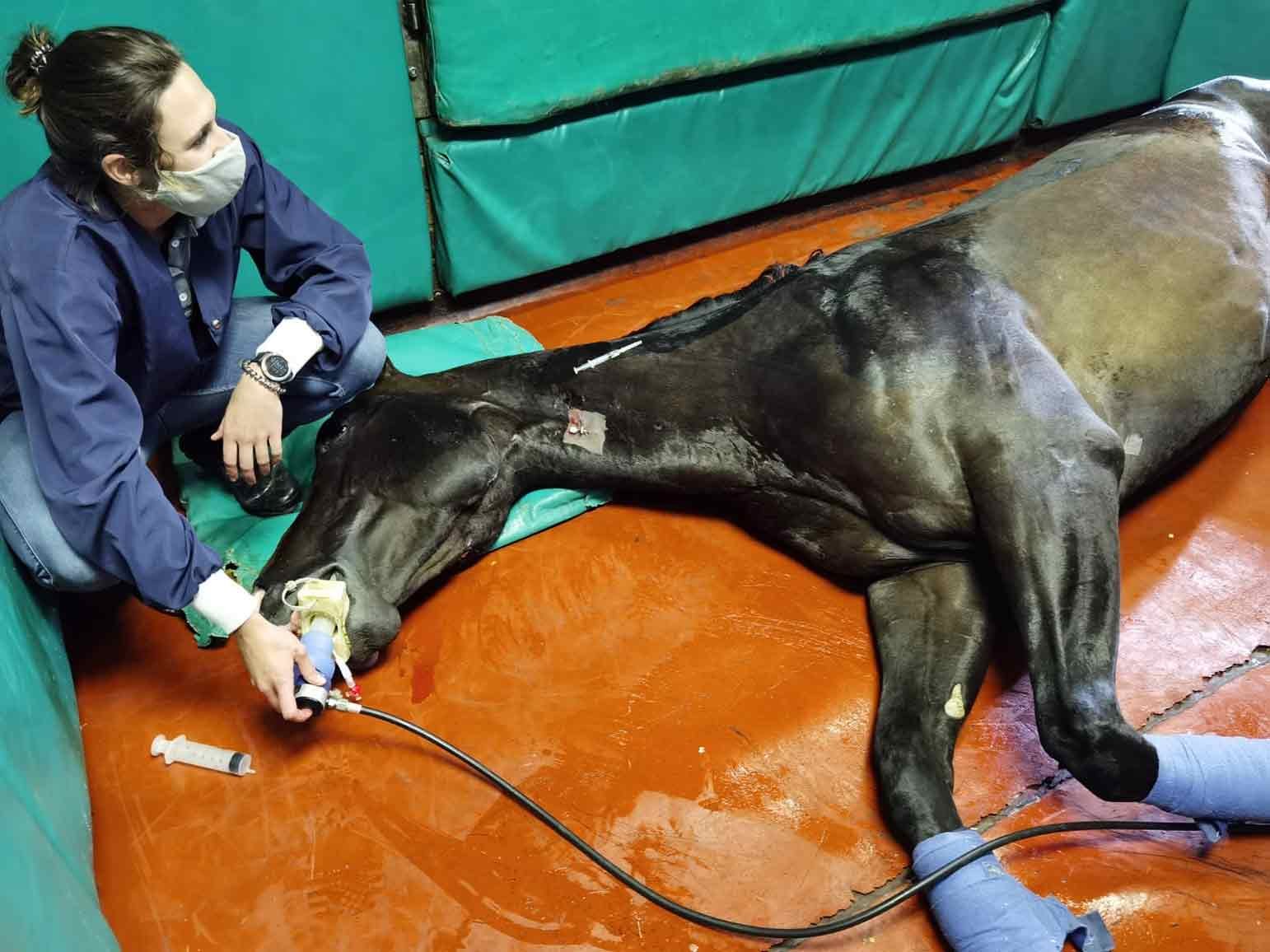
What is ketamine used for in horses ? Veterinarians primarily use ketamine as part of carefully controlled anesthesia protocols for horses undergoing surgery, certain diagnostic procedures, and selected pain-management treatments. Ketamine for horses works as a dissociative anesthetic and can produce unconsciousness, immobilization, and analgesia when a qualified veterinary professional uses it appropriately.
However, ketamine does not usually work as a standalone anesthetic in equine medicine. Instead, veterinarians combine it with sedatives and other anesthetic medications to produce a smoother induction, adequate muscle relaxation, effective pain control, and a safer recovery.
This guide explains what ketamine is used for in horses, how equine anesthesia works, why veterinarians combine ketamine with other medications, and what horse owners should know about safety, recovery, and veterinary supervision.
What Is Ketamine?
Ketamine is a dissociative anesthetic that affects the central nervous system. It produces a distinctive anesthetic state in which the brain processes sensory information differently. In veterinary medicine, clinicians use ketamine in several animal species, including horses.
For equine patients, ketamine in veterinary medicine generally forms one component of a carefully planned anesthesia protocol. Veterinarians consider the horse’s health, temperament, procedure, expected duration, cardiovascular status, respiratory function, and recovery environment before selecting an anesthetic plan.
Unlike a simple sedative, ketamine can produce profound dissociation and unconsciousness. Therefore, its administration requires appropriate monitoring and professional expertise.
What Is Ketamine Used for in Horses?
The main answer to what is ketamine used for in horses is controlled anesthesia. Veterinarians may incorporate ketamine into several types of equine procedures.
1. Induction of General Anesthesia
One of the most established uses of ketamine for horses involves induction of general anesthesia.
Before administering ketamine, the veterinarian typically prepares the horse with appropriate sedation. This preparation helps reduce anxiety and movement while creating better conditions for a controlled anesthetic induction.
Ketamine can then help transition the horse from a sedated state into general anesthesia. Because horses have unique anatomical and physiological characteristics, veterinarians carefully select the overall drug combination rather than relying on ketamine alone.
2. Surgical Procedures
Veterinarians may use ketamine as part of anesthesia for various surgical procedures.
Depending on the operation, the anesthetic protocol may involve injectable medications followed by maintenance with additional injectable agents or inhaled anesthetics.
The veterinarian considers factors such as:
- Type and location of surgery
- Expected procedure length
- Horse’s age and overall health
- Cardiovascular function
- Respiratory function
- Temperament and behavior
- Pain expected after surgery
- Available recovery facilities
Consequently, there is no single ketamine dose for horses or universal anesthesia protocol that applies to every patient. Veterinary professionals calculate and adjust medications according to the individual animal and clinical circumstances.
3. Diagnostic Procedures
Some equine diagnostic procedures require a horse to remain extremely still. In selected situations, sedation may not provide sufficient immobilization.
A veterinarian may therefore incorporate ketamine into an anesthesia or immobilization protocol when the procedure requires a higher level of control.
However, many diagnostic examinations only require standing sedation rather than general anesthesia. The veterinary team determines which approach provides the appropriate balance between diagnostic quality and patient safety.
4. Equine Pain Management
Another important application involves equine pain management.
Ketamine interacts with NMDA receptors in the nervous system, which play a role in pain processing and central sensitization. Because of this pharmacological effect, veterinarians may incorporate ketamine into multimodal analgesia protocols for selected horses.
Multimodal pain management combines medications or techniques that work through different mechanisms. This approach can help veterinarians address pain from several directions rather than relying on one medication.
Importantly, ketamine does not replace every other form of veterinary pain relief. Instead, clinicians determine whether it has a useful role alongside other appropriate analgesic strategies.
Why Do Veterinarians Combine Ketamine With Other Drugs?
Understanding what ketamine is used for in horses also requires understanding why veterinarians rarely use it by itself.
Ketamine can provide reliable dissociative anesthesia, but it does not provide every characteristic needed for ideal equine anesthesia. For example, muscle relaxation and sedation may require additional medications.
Veterinarians may therefore combine ketamine with medications from other drug classes, including:
- Alpha-2 adrenergic agonists
- Benzodiazepines
- Opioid analgesics
- Muscle-relaxing agents
- Inhaled anesthetics
- Other analgesic medications
The exact combination depends on the horse and procedure.
Benefits of Multimodal Equine Anesthesia
A carefully designed combination can provide several advantages, including:
- More controlled anesthetic induction
- Better muscle relaxation
- Improved analgesia
- Reduced stress and movement
- More predictable anesthetic depth
- Better management of different stages of anesthesia
- More controlled recovery
Therefore, ketamine in equine anesthesia should be viewed as one component of a broader veterinary strategy.
How Is Ketamine Administered to Horses?
Veterinarians administer ketamine through routes appropriate for the specific clinical situation and product being used. Injectable administration plays an important role in equine anesthesia.
The veterinarian determines the appropriate medication, concentration, route, and amount based on the horse and the intended procedure.
Horse owners should not attempt to calculate or administer ketamine independently. Small differences in patient condition, drug concentration, concurrent medications, and clinical circumstances can significantly affect anesthetic management.
For that reason, online dosage charts should never replace an examination and individualized veterinary instructions.
Ketamine and Equine Anesthesia Safety
Equine anesthesia requires specialized knowledge because horses face particular risks during both anesthesia and recovery.
Their large body size, anatomy, behavior, and tendency to move suddenly can make anesthetic recovery especially important. Veterinarians therefore monitor the patient throughout the procedure and establish a recovery plan before anesthesia begins.
Depending on the procedure and facility, monitoring may include:
- Heart rate
- Blood pressure
- Respiratory rate
- Oxygenation
- Carbon dioxide levels
- Electrocardiography
- Body temperature
- Anesthetic depth
- Muscle tone
- Recovery behavior
The veterinary team can then adjust the anesthetic plan according to the horse’s response.
Can Ketamine Be Used Alone in Horses?
Generally, veterinarians do not rely on ketamine alone for routine equine general anesthesia.
Ketamine can produce anesthesia and dissociation, but horses often require additional medications to achieve appropriate sedation, muscle relaxation, analgesia, and anesthetic control.
Therefore, ketamine for horses typically forms part of a combination protocol.
The exact medications vary according to the procedure and the veterinarian’s assessment. A horse undergoing a short procedure may require a very different protocol from one undergoing major surgery.
Ketamine for Equine Pain Relief
Ketamine’s effects on NMDA receptors have made it useful in selected pain-management protocols.
Veterinarians may consider ketamine when managing severe or difficult-to-control pain, particularly when central sensitization or other complex pain mechanisms contribute to the clinical picture.
However, pain management in horses requires an accurate diagnosis first. The veterinarian must identify the underlying source of pain and then select medications and supportive treatments accordingly.
For example, postoperative pain, orthopedic pain, abdominal pain, and chronic pain can require very different treatment approaches.
As a result, ketamine for equine pain management should always form part of a broader veterinary plan.
What Happens During Equine Anesthesia Recovery?
Recovery represents one of the most important stages of horse anesthesia.
After a procedure, the veterinary team moves the horse into a suitable recovery environment. Depending on the procedure, facility, and anesthetic protocol, clinicians may use specialized recovery techniques designed to reduce uncontrolled movement and injury.
The team considers:
- The horse’s temperament
- Type of procedure
- Length of anesthesia
- Medications administered
- Physical condition
- Pain level
- Recovery environment
- Previous anesthesia history
The goal is to achieve a controlled recovery with minimal risk to the horse and veterinary personnel.
What Are the Risks of Ketamine in Horses?
Like other anesthetic medications, ketamine can produce adverse effects. The overall risk depends on the horse, dose, drug combination, procedure, and monitoring.
Potential concerns can include changes in:
- Heart rate
- Blood pressure
- Respiratory function
- Muscle tone
- Coordination
- Recovery behavior
Veterinarians reduce these risks through appropriate patient assessment, medication selection, monitoring, and recovery planning.
Horse owners should also understand that anesthesia itself carries risks. Ketamine is only one part of the overall anesthetic equation.
Is Ketamine a Controlled Substance?
In the United States, ketamine is a Schedule III controlled substance under federal law. Veterinary use therefore falls under applicable controlled-substance regulations.
Rules can differ between countries and jurisdictions. Consequently, horse owners should rely on a licensed veterinarian for information about the legal handling, prescribing, storage, and administration of veterinary ketamine in their location.
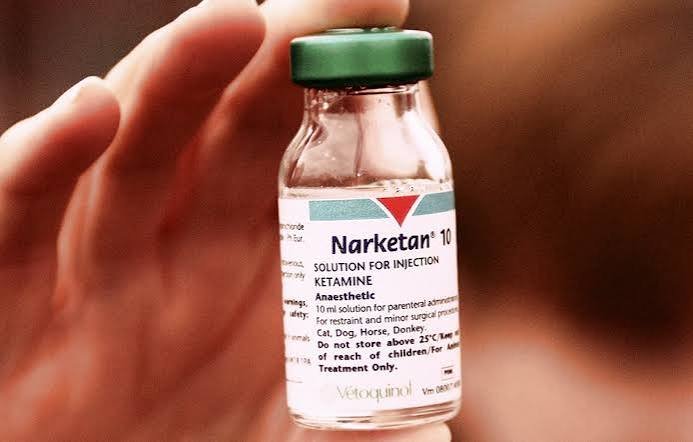
What About Ketaset® and Other Veterinary Ketamine Products?
Horse owners may encounter veterinary ketamine products such as Ketaset® when researching equine anesthesia.
However, product labeling, approved species, concentrations, manufacturers, and regulatory requirements can vary. A product’s availability or labeling does not mean that horse owners should independently select or administer it.
Veterinarians choose products based on the patient’s needs, applicable regulations, product information, and the requirements of the procedure.
For this reason, it is important to distinguish between general information about ketamine and a veterinarian’s specific recommendation for an individual horse.
How Long Does Ketamine Last in Horses?
The duration of ketamine’s effects varies according to the overall anesthesia protocol, route of administration, amount administered, concurrent medications, and individual patient factors.
Ketamine generally produces relatively short-acting dissociative anesthesia compared with some longer-acting anesthetic approaches. However, the horse’s return to normal behavior depends on the entire anesthetic protocol rather than ketamine alone.
Recovery can also vary according to the procedure, the horse’s condition, and the medications used alongside ketamine.
Therefore, horse owners should ask their veterinarian about the expected recovery timeline for their particular animal rather than relying on a general estimate.
Can Horse Owners Administer Ketamine?
Horse owners should not administer ketamine unless a qualified veterinarian has specifically prescribed and directed its use within the applicable legal framework.
Ketamine requires professional knowledge of anesthesia, drug interactions, patient monitoring, and emergency management. Incorrect administration can create serious risks.
If your horse needs anesthesia, sedation, or pain relief, contact an equine veterinarian who can examine the animal and recommend an appropriate treatment plan.
Frequently Asked Questions About Ketamine for Horses
What is ketamine used for in horses?
What is ketamine used for in horses? Veterinarians primarily use ketamine as part of general anesthesia protocols. It may also have applications in selected diagnostic procedures and multimodal pain-management plans.
Is ketamine safe for horses?
Ketamine can be used safely in horses when a qualified veterinary professional selects and monitors the appropriate anesthesia protocol. However, all anesthetic procedures carry potential risks.
Can ketamine be used alone in horses?
Veterinarians generally combine ketamine with other medications during equine general anesthesia. Additional drugs can provide sedation, muscle relaxation, analgesia, and other effects that ketamine alone may not provide adequately.
Does ketamine provide pain relief in horses?
Yes. Ketamine has analgesic properties and may contribute to multimodal pain management. A veterinarian determines whether it is appropriate for the horse’s particular condition.
How long does ketamine last in horses?
The effects depend on the anesthesia protocol, route of administration, other medications, and individual patient factors. The overall recovery period also depends on the complete anesthetic plan.
What is ketamine used for in equine surgery?
Veterinarians may use ketamine as part of an induction or maintenance protocol for surgical anesthesia. The specific protocol depends on the operation and the horse’s health.
Can ketamine be used for horse pain?
Ketamine may contribute to multimodal equine pain management. However, veterinarians first determine the cause and severity of pain before selecting appropriate treatment.
Do horses need sedation before ketamine?
For equine general anesthesia, veterinarians commonly use appropriate pre-anesthetic sedation before ketamine. This helps create a more controlled induction and supports the overall anesthesia plan.
Can I buy ketamine for my horse?
Ketamine is a controlled veterinary medication in many jurisdictions. Horse owners should obtain and use it only through appropriate veterinary channels and according to applicable laws and professional instructions.
Final Thoughts: What Is Ketamine Used for in Horses?
So, what is ketamine used for in horses? The primary role of ketamine involves controlled veterinary anesthesia, particularly induction of general anesthesia for surgical procedures. Veterinarians may also incorporate it into selected diagnostic and multimodal pain-management protocols.
Most importantly, ketamine should not be viewed as a simple standalone medication for horse owners. Equine anesthesia requires careful patient assessment, appropriate drug combinations, continuous monitoring, and controlled recovery.
If your horse requires surgery, diagnostic anesthesia, sedation, or pain management, speak with a licensed equine veterinarian. A professional can determine whether ketamine is appropriate and design an anesthesia protocol based on your horse’s individual needs.
Key Takeaways
- Ketamine for horses primarily supports controlled veterinary anesthesia.
- Veterinarians commonly combine ketamine with other anesthetic or sedative medications.
- Ketamine may contribute to equine pain management in selected cases.
- Horses require specialized anesthesia and recovery management.
- Ketamine should not be administered by horse owners without appropriate veterinary direction.
- The correct protocol depends on the individual horse, procedure, health status, and applicable regulations.