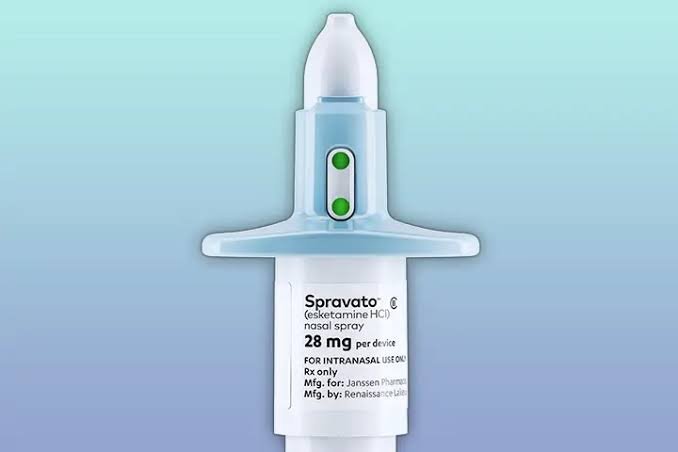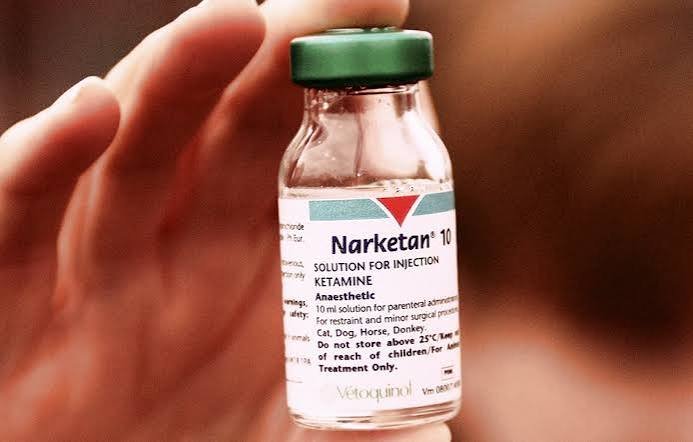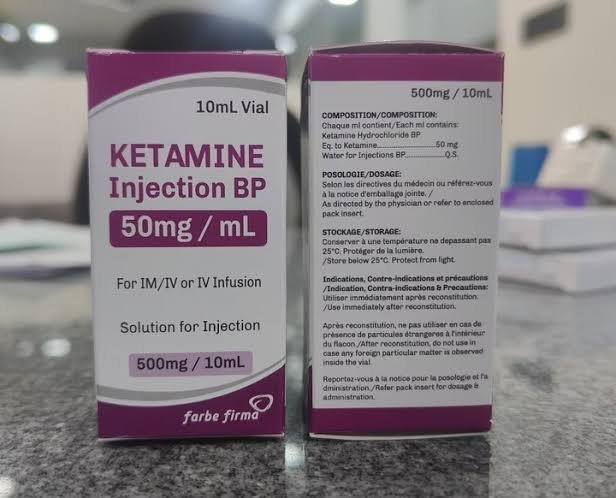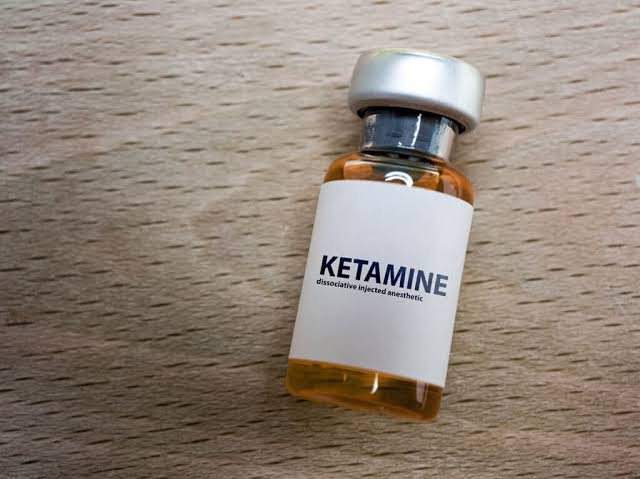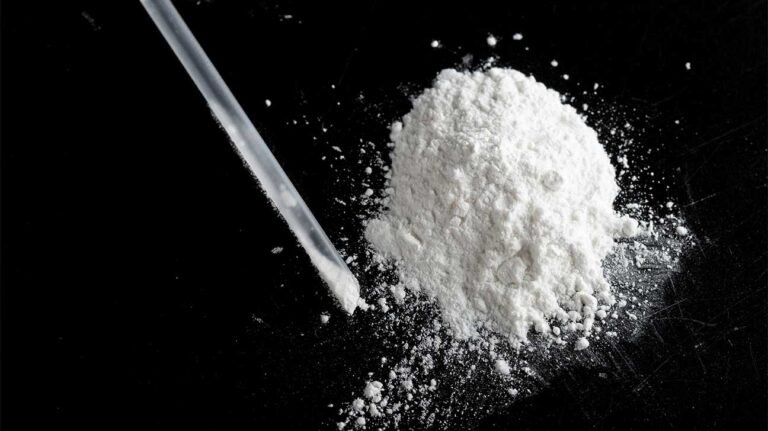
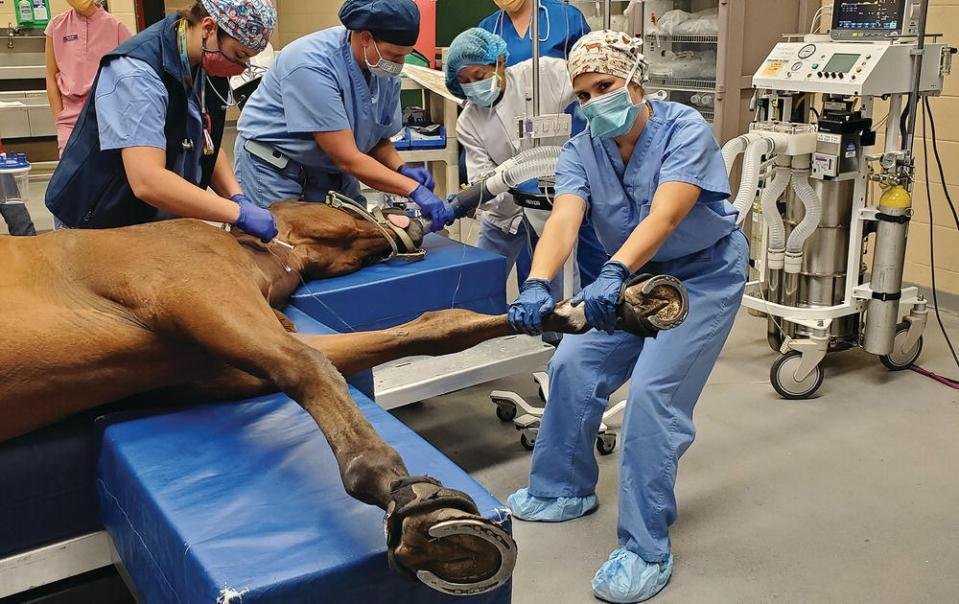
If you’ve ever heard someone refer to ketamine as a “horse tranquilizer,” you may have wondered whether that description is accurate. The short answer is partly, but it doesn’t tell the whole story. While ketamine has long been used in veterinary medicine, including for horses and other large animals, it is also an important medication in human healthcare. Today, ketamine is used by trained medical professionals for anesthesia, pain management, and, in some cases, treatment-resistant depression under carefully controlled clinical conditions.
Understanding the facts behind this common phrase can help separate myth from reality and provide a clearer picture of ketamine’s medical uses.
Why Do People Call Ketamine a Horse Tranquilizer?
The nickname “horse tranquilizer” comes from ketamine’s history in veterinary medicine. Veterinarians have used ketamine for decades to anesthetize and sedate a wide range of animals, including horses, dogs, cats, and livestock. Because horses are large animals that require effective anesthesia for certain procedures, ketamine became widely associated with equine medicine.
However, calling ketamine only a horse tranquilizer is misleading. The medication was developed for both veterinary and human medical use and has been used safely in hospitals around the world for many years when administered by qualified healthcare professionals.
How Is Ketamine Used in Human Medicine?
Ketamine is an FDA-approved anesthetic that has been used in human medicine since the 1970s. Healthcare providers may administer ketamine in hospitals, emergency departments, and surgical settings because it can provide anesthesia while maintaining important protective reflexes in many patients.
Beyond anesthesia, researchers and clinicians have explored ketamine’s role in several medical applications, including:
- General anesthesia during surgical procedures.
- Emergency medicine and trauma care.
- Pain management in selected clinical situations.
- Treatment-resistant depression in specialized clinical settings.
- Certain mental health conditions under physician supervision.
These medical uses occur under strict clinical protocols with careful patient evaluation, monitoring, and follow-up.
Is the Ketamine Used for Humans Different?
The active ingredient, ketamine, is the same compound regardless of whether it is intended for veterinary or human use. The important difference lies in the formulation, manufacturing standards, dosage, labeling, and regulatory approval.
Human ketamine products are manufactured specifically for medical use in people and must meet rigorous pharmaceutical quality standards. Veterinary products are approved only for animal use and should never be used by humans.
How Does Ketamine Work?
Ketamine works differently from many traditional anesthetic and antidepressant medications. It primarily affects the brain’s glutamate system by blocking N-methyl-D-aspartate (NMDA) receptors, leading to changes in neural signaling. Researchers believe these effects contribute to its anesthetic properties and may help explain its rapid antidepressant effects in some patients.
Although research continues, ketamine remains an area of significant scientific interest because of its unique mechanism of action and potential therapeutic applications.
Safety and Medical Supervision
Like any prescription medication, ketamine carries potential risks and side effects. Possible effects can include changes in blood pressure, dizziness, nausea, dissociation, altered perception, and temporary confusion. Because of these effects, ketamine should only be administered or prescribed by qualified healthcare professionals when medically appropriate.
Patients receiving ketamine therapy typically undergo medical screening and are monitored during treatment to help ensure safety and determine whether the therapy is suitable for their individual health needs.
Common Myths About Ketamine
Myth: Ketamine is only used on horses.
Fact: Ketamine is widely used in both veterinary and human medicine for approved medical purposes.
Myth: Calling it a horse tranquilizer accurately describes the medication.
Fact: While it has veterinary applications, ketamine is also an established human anesthetic used in hospitals worldwide.
Myth: All ketamine treatments are the same.
Fact: The purpose, dosage, administration method, and monitoring depend on the specific medical condition and treatment setting.
Final Thoughts
So, is ketamine a horse tranquilizer? Technically, ketamine has been used to anesthetize horses and many other animals, which is why the nickname exists. However, describing it solely as a horse tranquilizer overlooks its long-established role in human medicine. Today, ketamine is an important prescription medication used for anesthesia, pain management, and certain mental health treatments under professional medical supervision.
When discussing ketamine, it’s important to rely on accurate, evidence-based information rather than common misconceptions. Understanding its legitimate medical uses, safety considerations, and clinical applications provides a more complete picture of this unique medication and its place in modern healthcare.