If you or someone you love has been struggling with depression, PTSD, or anxiety that just won’t respond to standard treatments, you have probably started hearing about ketamine. And if you’re in the DC area, luckily Washington DC is home to some of the most experienced ketamine infusion therapy providers in the country.
But before you book a consultation, it helps to understand exactly what ketamine infusion therapy is, how it works, who it’s right for, and what a typical treatment experience in Washington DC actually looks like. This guide covers all of it.
What Is Ketamine Infusion Therapy?
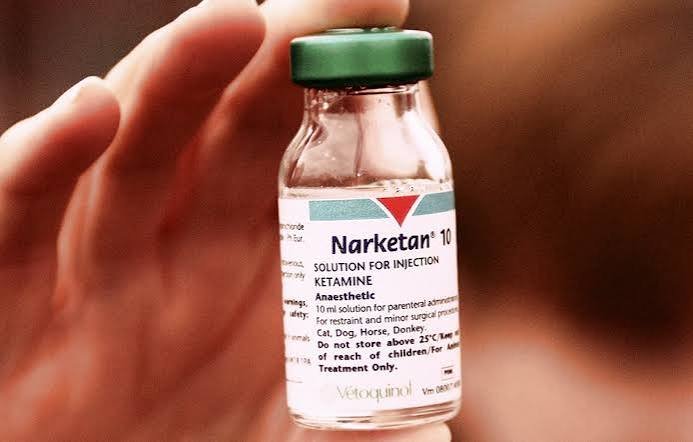
Ketamine is an anesthetic that has been used safely in medical settings since the 1970s. Over the past two decades, researchers discovered that when administered in controlled, sub-anesthetic doses, ketamine produces rapid and significant relief from treatment-resistant depression, PTSD, anxiety, OCD, and chronic pain; often within hours, not weeks.
Unlike conventional antidepressants that primarily target serotonin or dopamine, ketamine works on the glutamate system; the brain’s most abundant excitatory neurotransmitter. It blocks NMDA receptors and activates AMPA receptors, triggering the release of brain-derived neurotrophic factor (BDNF). This promotes neuroplasticity: the brain’s ability to form new neural connections, essentially “resetting” the thought patterns that underlie depression and trauma.
Ketamine vs. Traditional Antidepressants
The most striking difference is speed. Traditional antidepressants require 4–6 weeks to produce noticeable effects, and many patients cycle through multiple medications before finding relief. Ketamine infusion therapy in Washington DC can produce measurable improvements after a single session, with full response typically seen after a series of 6 infusions over 2–3 weeks.
Types of Ketamine Treatment Available in Washington DC
Washington DC clinics offer several forms of ketamine treatment. Each has different delivery methods, costs, and ideal use cases. Here’s a breakdown:
| IV Ketamine Infusion | Spravato (Nasal Spray) | Ketamine-Assisted Psychotherapy | |
| Administration | Intravenous drip | Nasal spray (in-clinic) | IV or IM + therapy session |
| Session Length | 40–60 minutes | 2 hours (with monitoring) | 2–3 hours |
| FDA Approval | Off-label (depression) | FDA-approved (TRD) | Off-label |
| Expected Cost(variable) | $400–$800/session | $800–$1,000+/session | $600–$1,200/session |
| Best For | TRD, anxiety, chronic pain | Treatment-resistant depression | Trauma, PTSD, deep psychological work |
| Number of Sessions | 6 over 2–3 weeks | Twice weekly x 4 weeks | 3–6 sessions |
IV Ketamine Infusion
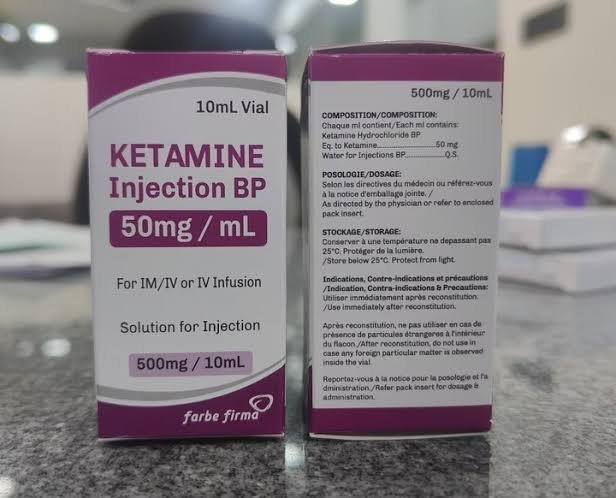
Intravenous ketamine is the most widely used and well-studied form. A precise dose is delivered directly into the bloodstream through an IV drip, allowing for exact titration and immediate adjustment. Sessions typically last 40–60 minutes and are conducted in a monitored, private clinical setting. Most DC providers recommend an initial series of 6 infusions, followed by maintenance sessions as needed.
Spravato (Esketamine Nasal Spray)
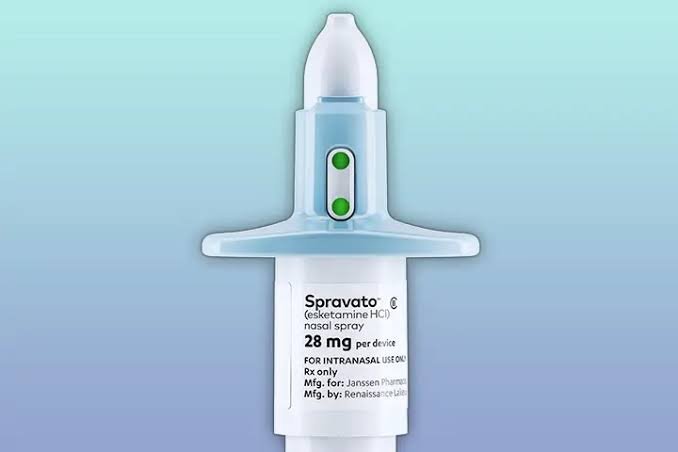
Spravato is the FDA-approved nasal spray form of ketamine, specifically indicated for treatment-resistant depression (TRD) and major depressive disorder with suicidal ideation. It must be administered in a certified healthcare setting with 2 hours of post-dose monitoring. Washington DC providers like Washington Interventional Psychiatry (WIP) offer Spravato as part of a broader psychiatric care framework.
Ketamine-Assisted Psychotherapy (KAP)
Ketamine-assisted psychotherapy combines the neuroplastic window opened by ketamine with active, guided psychotherapy. A trained therapist works with you during and after the ketamine experience to help process insights, integrate emotions, and create lasting psychological change. KAP sessions run 2–3 hours and are particularly effective for trauma, PTSD, and complex emotional patterns. Several DC clinics and therapists listed on platforms like Psychology Today and Zencare specialize in this approach.
Who Is a Candidate for Ketamine Therapy in Washington DC?
Ketamine infusion therapy is not a first-line treatment. It is specifically indicated for patients who have tried conventional approaches, medications, therapy, or both yet without adequate relief. The clinical term for this is treatment-resistant depression (TRD), though the scope of conditions ketamine addresses is broader.
Conditions Treated with Ketamine in DC
- Treatment-Resistant Depression: Treatment-resistant depression (TRD)
- PTSD: Post-traumatic stress disorder (PTSD)
- Anxiety Disorders: Generalized anxiety disorder and social anxiety
- OCD: Obsessive-compulsive disorder (OCD)
- Bipolar Depression: Bipolar depression (between episodes)
- Chronic Pain: Chronic pain conditions (fibromyalgia, CRPS, neuropathic pain)
- Suicidal Ideation: Suicidal ideation (under close psychiatric supervision)
Most Washington DC ketamine clinics require that patients have tried and failed at least two antidepressant medications before being considered candidates for infusion therapy, though a thorough psychiatric evaluation is the final determinant.
What to Expect: A Step-by-Step Guide to Ketamine Treatment in Washington DC
Step 1: Initial Consultation and Psychiatric Evaluation
Every reputable ketamine clinic in Washington DC begins with a thorough evaluation. Board-certified psychiatrists review your psychiatric history, current medications, diagnoses, and treatment history. This evaluation determines whether ketamine is appropriate and which administration method is the best fit. Many DC providers offer initial telehealth consultations, making it easy to begin the process remotely.
Step 2: Treatment Planning
If you’re approved, the clinical team builds a personalized treatment plan. For IV ketamine, this typically involves 6 infusions over 2–3 weeks. Dosing is customized based on your weight, health status, and treatment goals. For KAP, intention-setting sessions with your therapist happen before the first infusion.
Step 3: Preparation for Your Infusion
- Fast for 3–4 hours before each session (stay hydrated)
- Avoid alcohol and recreational substances the night before
- Arrange a responsible adult to drive you home as you cannot drive post-infusion
- Some clinics recommend light journaling or meditation beforehand
- Wear comfortable clothing and bring anything that helps you feel calm (headphones, a blanket)
Step 4: The Infusion Session
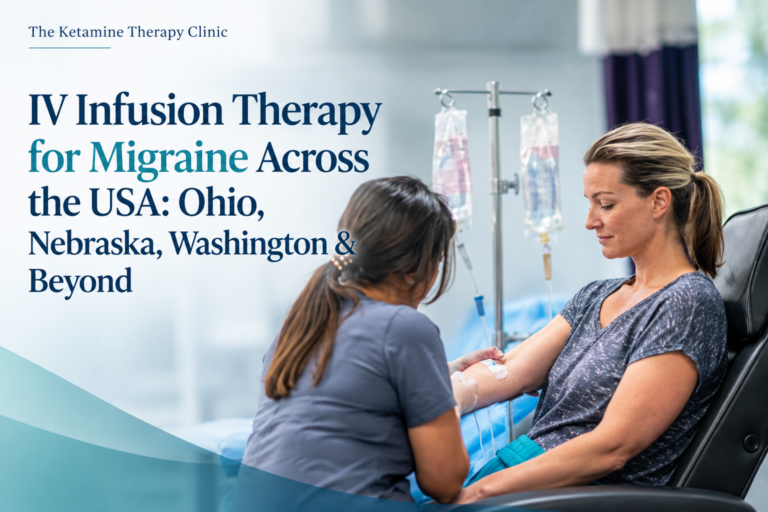
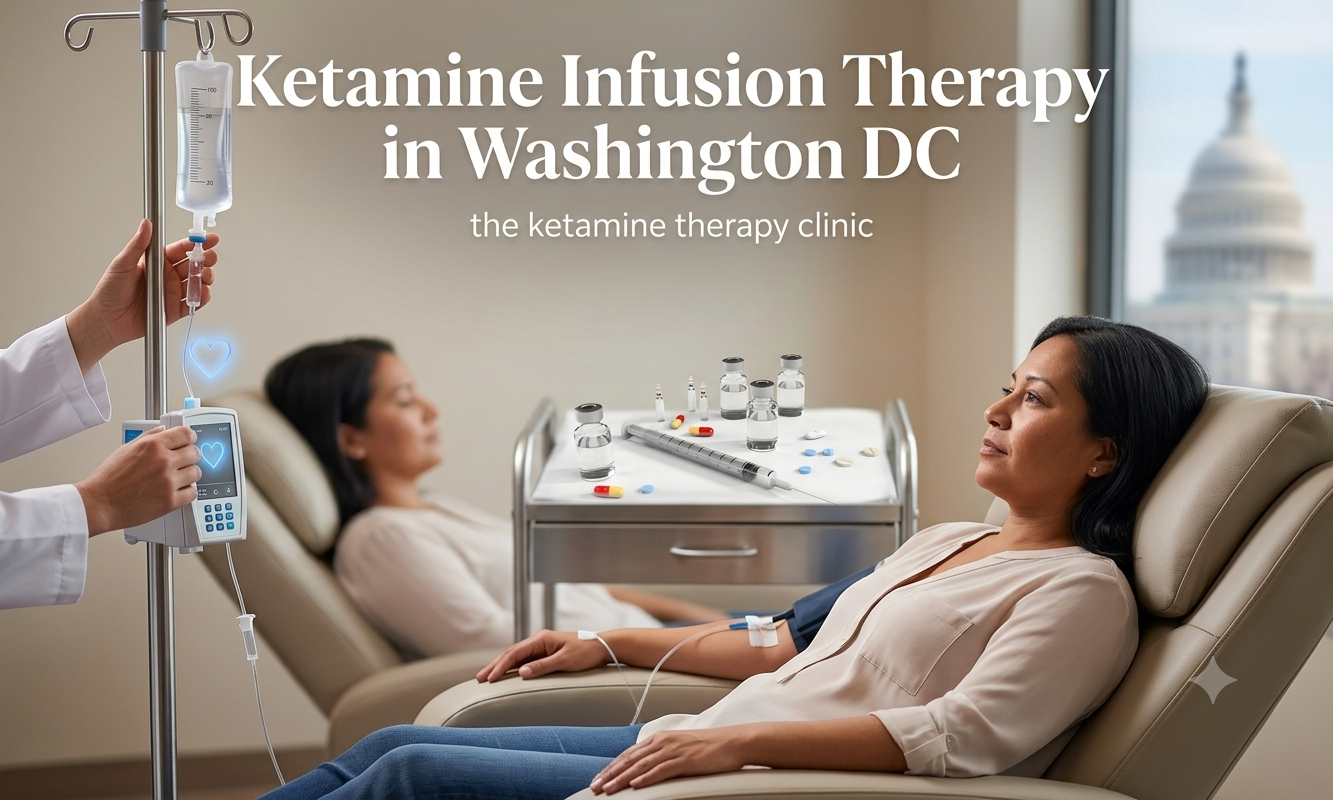
You’ll be in a private, medically supervised room. An IV catheter is started, and ketamine is administered at a carefully calibrated dose over approximately 40 minutes. During the infusion, you may experience mild dissociation which a gentle sense of floating, visual changes, or emotional introspection. Importantly, Clinical staff are present throughout to monitor vital signs and ensure your comfort. Most patients describe the experience as deeply relaxing or introspective, not distressing.
Step 5: Recovery and Integration
After the infusion, you’ll be monitored for 30–60 minutes before discharge. Most patients feel relatively normal within a couple of hours. You will not be able to drive, make major decisions, or operate machinery for the rest of the day. For patients receiving KAP, integration therapy sessions follow the infusion to help you process and apply the insights gained during treatment.
Step 6: Ongoing Maintenance
After the initial series, many patients require maintenance infusions typically every 4–8 weeks to sustain the therapeutic benefit. Your treatment team monitors your response and adjusts the schedule accordingly. Washington DC providers like Capitol Ketamine & Wellness and Avesta Ketamine & Wellness offer structured maintenance programs.
How Much Does Ketamine Infusion Therapy Cost in Washington DC?
Ketamine therapy in Washington DC is largely a self-pay treatment, though coverage options are evolving and vary depending on the type of treatment you pursue. Costs differ based on the administration method, number of sessions, clinic setting, and whether psychiatric oversight or therapy is included in the package.
Similarly, several ketamine therapy clinics in Washington DC offer financing options and transparent pricing structures to make treatment more accessible. Spravato (esketamine) in particular may be eligible for insurance reimbursement in qualifying cases, something worth exploring during your consultation.
Rather than quoting figures that shift with clinic, protocol, and insurance landscape, we’ve outlined everything you need to know about our specific treatment options and pricing directly on our services pages. If you’re ready to understand what a full treatment plan would look like for your situation, explore our ketamine treatment options or contact us to request a personalized cost estimate — we’re happy to walk you through it with full transparency.
Finding the Right Ketamine Clinic in Washington DC
Washington DC has a growing number of reputable ketamine providers, ranging from anesthesiology-led infusion centers to psychiatrist-directed practices integrating ketamine within comprehensive mental health care. When evaluating your options, consider:
- Board certification: Is the clinic led by board-certified psychiatrists or anesthesiologists?
- Integrated care: Does the clinic combine ketamine with ongoing psychiatric management, therapy, or both?
- Setting and environment: Is the infusion space private, calm, and designed for comfort?
- Follow-up protocol: What integration and maintenance support is offered after the initial series?
- Transparency: Are pricing, protocols, and candidacy criteria clearly communicated upfront?
Ultimately, Washington DC clinics serve patients throughout the entire DMV area including Maryland and Virginia — so even if you’re located in Arlington, Bethesda, and Rockville, or Northern Virginia, DC-based providers are typically within easy reach. Many also offer telemedicine for initial evaluations, reducing the need for multiple in-person visits before starting treatment.
Ketamine Therapy for PTSD in Washington DC: A Special Note
Washington DC’s unique demographic dense with government employees, military veterans, first responders, and healthcare workers gives PTSD treatment a particular urgency in this city. Ketamine therapy for PTSD operates by disrupting the consolidation of traumatic memories and reducing the hyper activation of fear-response circuits in the brain.
When combined with ketamine-assisted psychotherapy (KAP) or trauma-informed therapy modalities like EMDR, somatic experiencing, or Internal Family Systems (IFS), the outcomes for PTSD patients can be transformative. Several DC clinics specifically emphasize trauma-informed care and have therapists trained in these integrative approaches.
Is Ketamine Therapy Right for You?
Ketamine infusion therapy in Washington DC is not a silver bullet, and it isn’t the right choice for everyone. It works best when:
- You have a documented history of treatment-resistant depression, PTSD, anxiety, or chronic pain
- You have tried multiple medications or therapy approaches without adequate relief
- You are committed to the full initial series and follow-up care
- You have medical clearance from a qualified provider
- You approach the experience with openness and realistic expectations
If you’re unsure whether you qualify, the best first step is a consultation with a DC-area ketamine clinic. Most offer free or low-cost initial assessments, either in person or via telehealth, and the evaluation itself is informative regardless of the outcome.
Final Thoughts: Ketamine Infusion Therapy in Washington DC
Finally, the growth of ketamine infusion therapy in Washington DC reflects a broader shift in how the mental health field approaches treatment-resistant conditions. Where traditional medications and therapy have stalled, ketamine opens a new pathway; one grounded in solid neuroscience and backed by a growing body of clinical evidence.
Whether you’re exploring IV ketamine for depression, Spravato for treatment-resistant MDD, or ketamine-assisted psychotherapy for trauma and PTSD, Washington DC offers a range of experienced, professional providers equipped to guide you through the process safely and effectively.
The hardest part is often taking the first step. A consultation costs nothing but time and it could be the conversation that changes everything.