
Interest in at-home ketamine therapy has grown as researchers continue to study ketamine’s role in treating certain mental health conditions. If you live in Ohio and are exploring treatment options, it’s important to understand how ketamine therapy works, who may be eligible, and why medical supervision is an essential part of care.
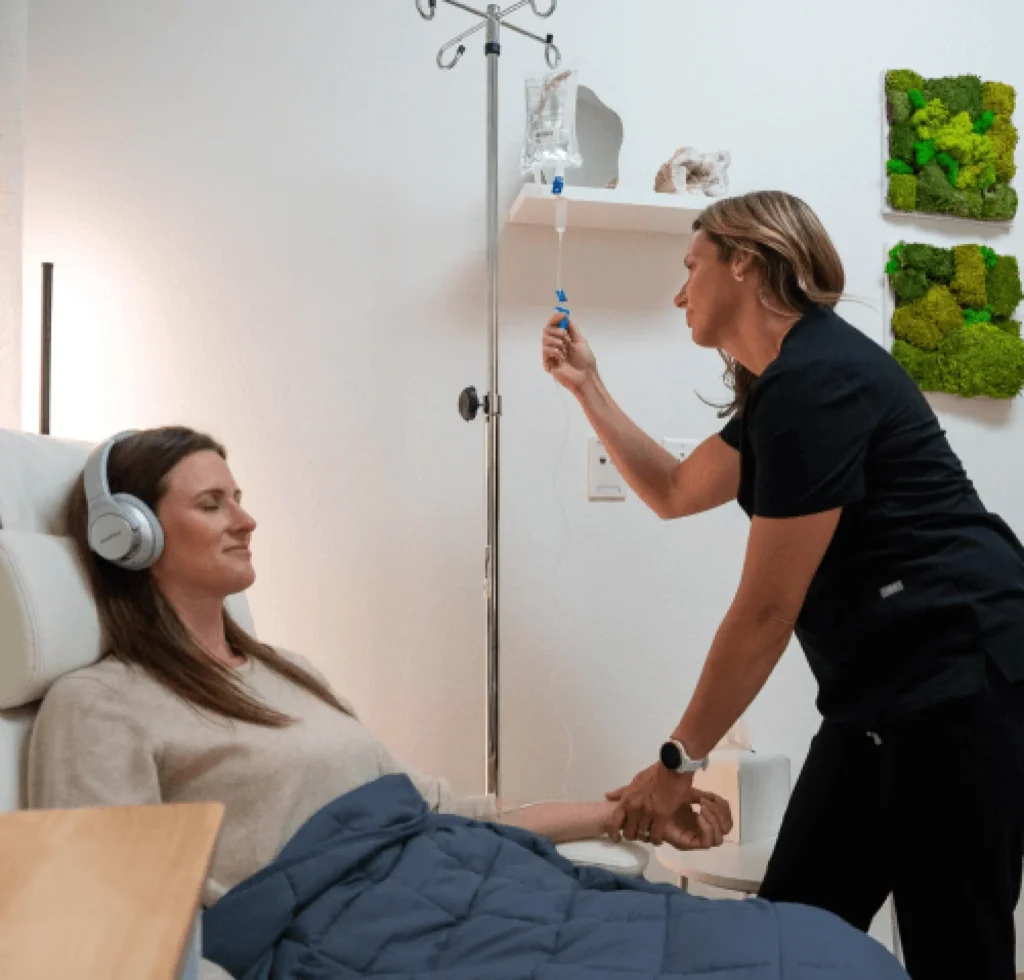
What Is At-Home Ketamine Therapy?
At-home ketamine therapy generally refers to treatment that is prescribed and monitored by a licensed healthcare provider, with the medication taken outside of a clinic according to an individualized treatment plan. Not every patient is a candidate for at-home treatment, and the specific approach depends on a person’s medical history, diagnosis, and overall health.
Healthcare providers typically perform a comprehensive evaluation before determining whether ketamine therapy is appropriate.
How Is Ketamine Used in Mental Health Care?
Ketamine has long been used as an anesthetic in medical settings. More recently, researchers have investigated its potential role in treating conditions such as treatment-resistant depression. Some ketamine-based treatments are FDA-approved for specific indications, while other uses may be prescribed off label by qualified clinicians.
Because ketamine can have significant effects on perception, blood pressure, and other aspects of health, treatment should occur under the guidance of licensed medical professionals.
What Should Ohio Residents Consider?
If you are considering ketamine therapy in Ohio, look for providers who:
- Hold appropriate state licensure.
- Conduct a thorough medical and psychiatric evaluation.
- Explain the potential benefits, risks, and alternatives.
- Provide ongoing follow-up and monitoring.
- Coordinate care with your existing healthcare providers when appropriate.
Choosing a qualified provider is an important part of receiving safe, evidence-based care.
Questions to Ask a Healthcare Provider
Before beginning treatment, consider asking:
- Am I a suitable candidate for ketamine therapy?
- What are the potential benefits and risks?
- How will my progress be monitored?
- What side effects should I expect?
- What follow-up care will I receive?
These conversations can help you make informed decisions together with your healthcare team.
Understanding the Risks
Like any prescription medication, ketamine has potential side effects and is not appropriate for everyone. Possible adverse effects may include changes in blood pressure, nausea, dizziness, dissociation, or sedation. A qualified clinician can help determine whether the potential benefits outweigh the risks for your individual circumstances.
Final Thoughts
If you’re researching at-home ketamine therapy in Ohio, focus on finding accurate, evidence-based information and seeking guidance from licensed healthcare professionals. A comprehensive evaluation, individualized treatment planning, and ongoing medical supervision are essential components of safe care.
For educational information, always rely on qualified medical professionals and reputable healthcare organizations when making decisions about mental health treatment.