Ketamine therapy has rapidly gained attention as a groundbreaking option for individuals struggling with severe depression, anxiety, PTSD, and other treatment-resistant mental health conditions. But one of the most common questions people ask before considering this therapy is: “Does ketamine therapy get you high?”
The short answer is not in the way recreational drugs do. While ketamine can create temporary perceptual effects during treatment, its use in clinical settings is carefully controlled and designed for therapeutic healing rather than intoxication. Understanding how ketamine therapy works—and why its effects are different from recreational use—can help you make an informed decision about whether this innovative treatment might be right for you.
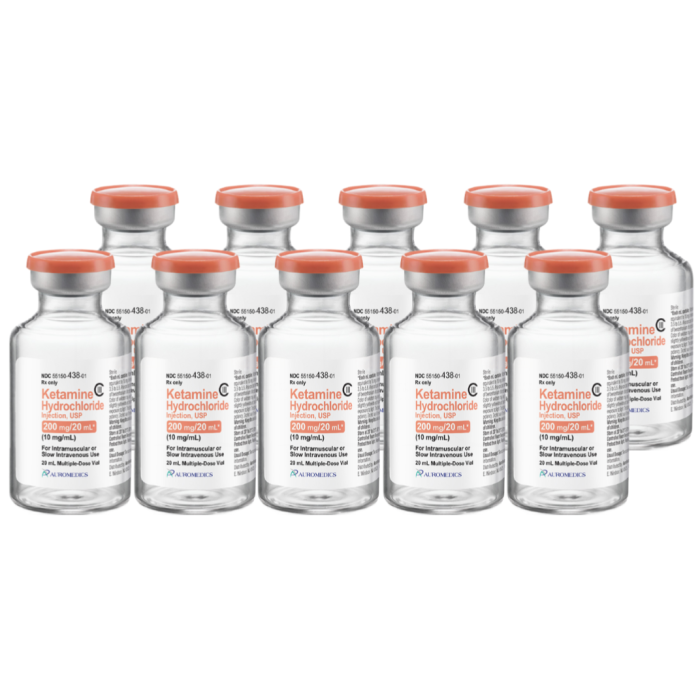
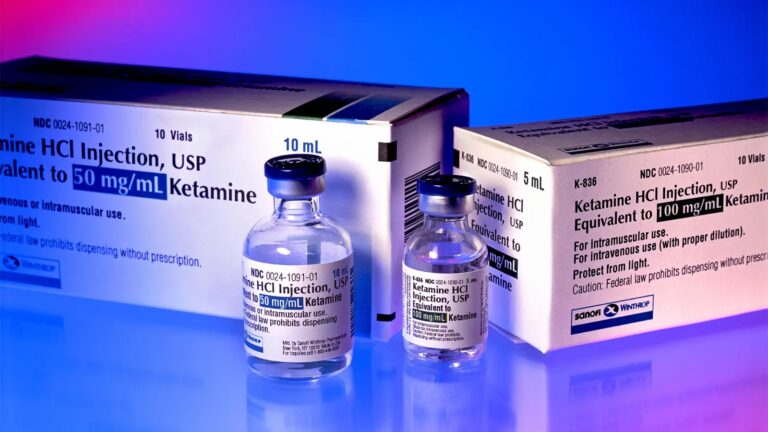
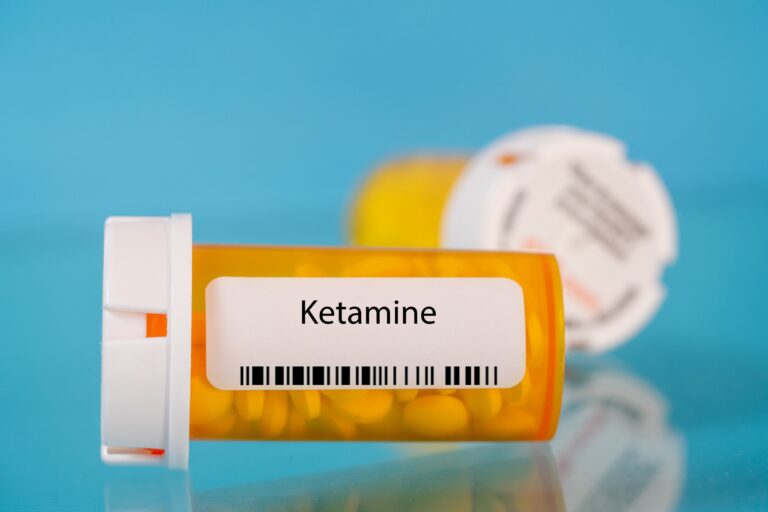
Ketamine itself is an FDA-approved anesthetic medication, and a specialized form known as Esketamine is approved for treatment-resistant depression. It is typically administered under the supervision of trained medical professionals.
What Is Ketamine Therapy?
Ketamine therapy is a medical treatment used to address severe mental health conditions that have not responded to traditional medications. Unlike conventional antidepressants that may take weeks to work, ketamine can often produce rapid improvements in mood and emotional outlook.
Originally developed as a surgical anesthetic in the 1960s, ketamine is now widely researched for its effects on brain chemistry and neural connectivity. Research from organizations such as the National Institute of Mental Health has shown that ketamine can help stimulate new neural pathways in the brain, which may improve mood and cognitive flexibility.
This process is sometimes referred to as “neuroplasticity enhancement,” a key reason why ketamine therapy is becoming a powerful option for treatment-resistant conditions.
Does Ketamine Therapy Make You Feel High?
During a ketamine therapy session, some patients may experience temporary sensations that feel unusual compared to traditional medications. These effects can include:
- Mild dissociation (feeling detached from the body or surroundings)
- Altered perception of time
- Deep relaxation or dream-like sensations
- Heightened introspective thoughts
However, these experiences are closely monitored by medical professionals and occur in a safe, therapeutic environment. The goal of ketamine therapy is not recreational intoxication, but rather to create a temporary mental state that allows the brain to reset and process emotions differently.
Many patients describe the experience as calming, reflective, or meditative rather than euphoric or intoxicating.
Why the Effects of Ketamine Therapy Are Different from Recreational Use
The key difference between medical ketamine therapy and recreational ketamine use is dosage, supervision, and intention.
In clinical settings:
- The dosage is precisely controlled
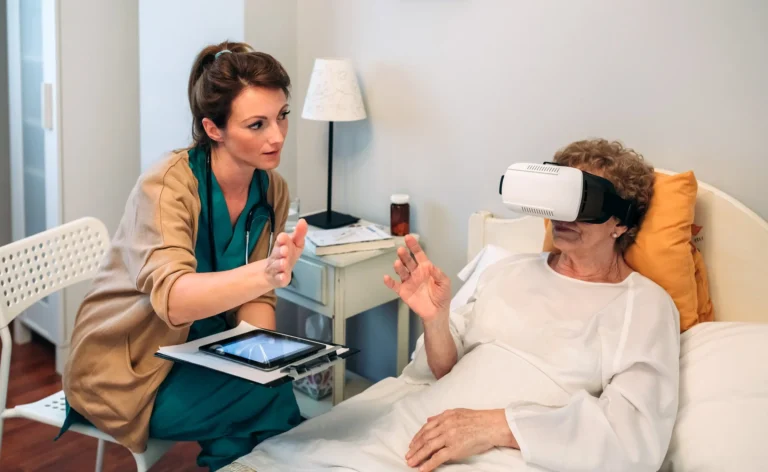
- A trained clinician monitors your physical and mental state
- The treatment occurs in a structured therapeutic environment
Recreational misuse, on the other hand, involves uncontrolled doses and unsafe environments, which can lead to harmful effects. Medical clinics follow strict guidelines to ensure patient safety and therapeutic outcomes.
How Ketamine Helps Treat Depression and Anxiety
One reason ketamine therapy is so promising is its unique mechanism of action in the brain. Traditional antidepressants primarily target serotonin levels, but ketamine works differently by interacting with the brain’s glutamate system.
This interaction helps strengthen communication between neurons and can quickly improve mood regulation. Many patients report relief from symptoms of depression within hours or days, rather than weeks.
Because of this rapid response, ketamine therapy is increasingly used for:
- Treatment-resistant depression
- Severe anxiety disorders
- Post-traumatic stress disorder (PTSD)
- Chronic suicidal thoughts
What to Expect During a Ketamine Therapy Session
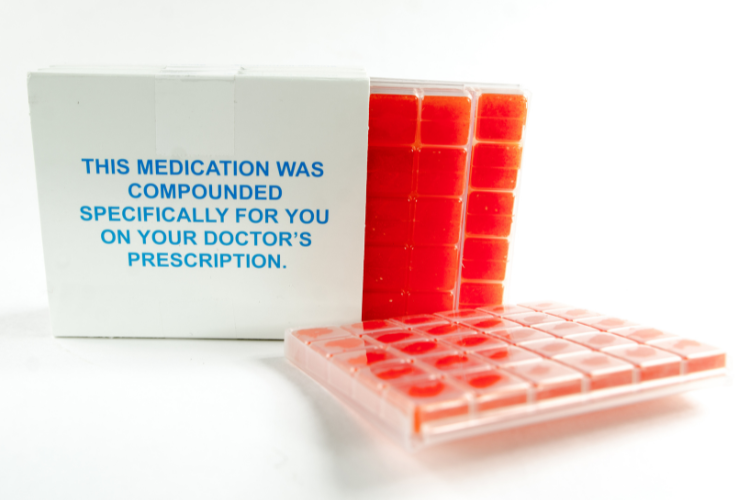
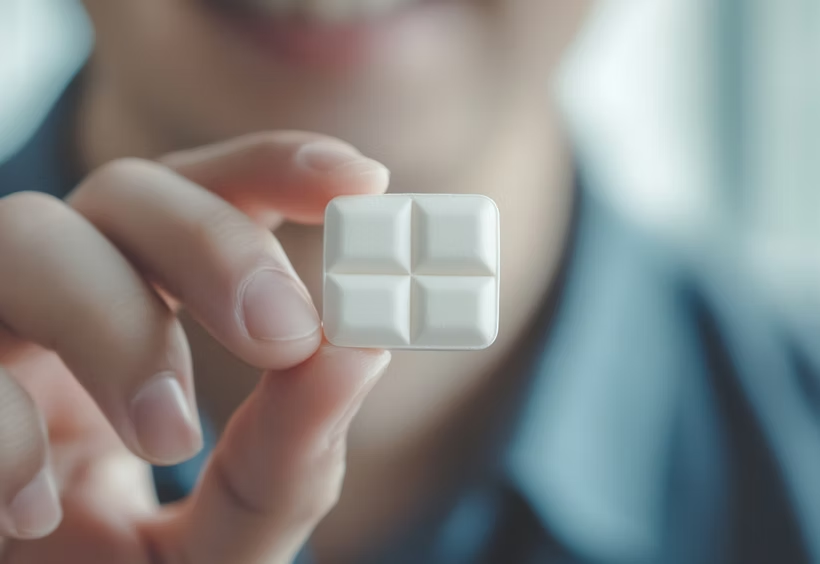
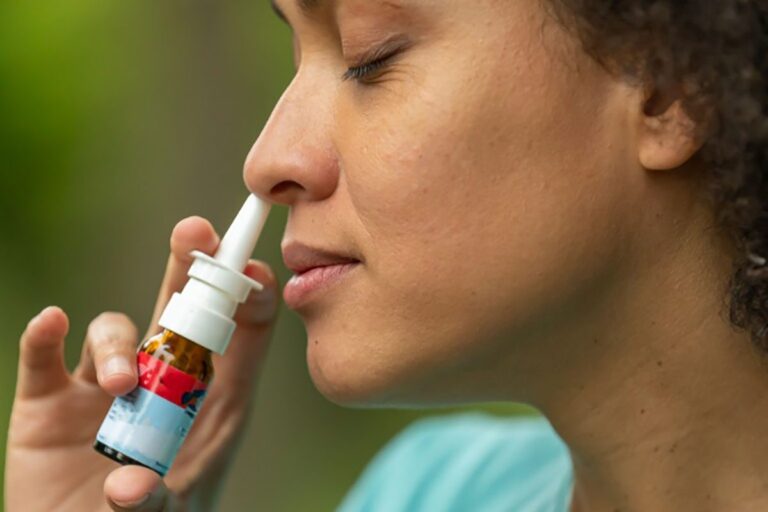
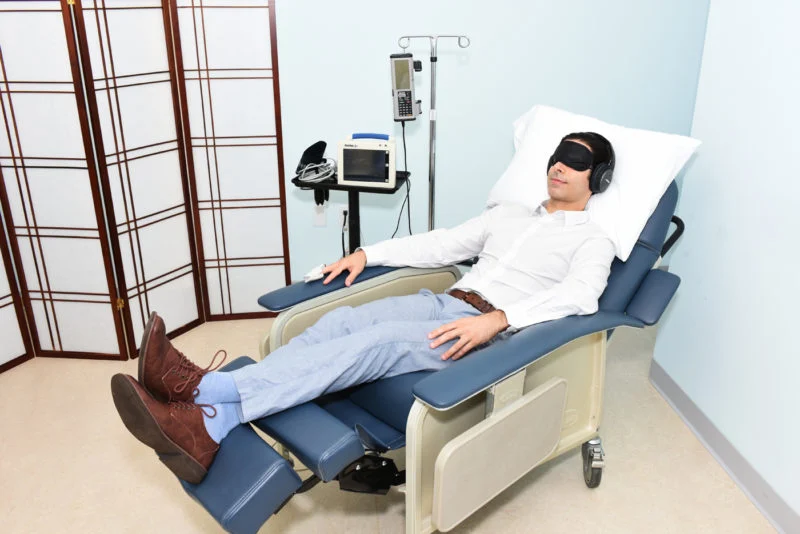
A typical ketamine therapy session takes place in a quiet, comfortable clinical setting. Patients often relax in a reclining chair while receiving the medication through an IV, nasal spray, or lozenge form.
Sessions usually last 45 to 90 minutes, and most patients return to normal awareness shortly afterward. Clinics typically recommend a series of treatments combined with psychotherapy or counseling for the best results.
Is Ketamine Therapy Right for You?
If traditional antidepressants haven’t provided relief, ketamine therapy may offer a powerful new path toward mental wellness. With professional supervision and carefully controlled dosing, the treatment focuses on healing the brain—not producing a recreational high.
For many people struggling with persistent mental health challenges, ketamine therapy represents a transformative breakthrough in modern psychiatric care, offering renewed hope and improved quality of life.