
- Home
- Topical Ketamine
- ketamine Cream
SKU:
ketamine Cream
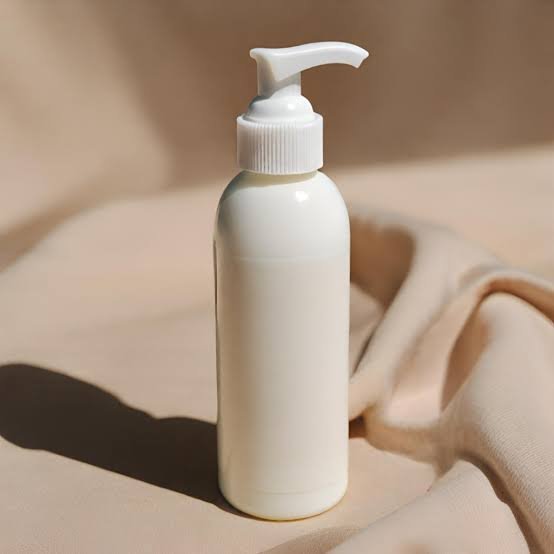
Ketamine Cream – Topical Ketamine Formulation
Ketamine Cream is a topical formulation containing ketamine and designed for application to the skin under the direction of a qualified healthcare professional. Topical ketamine formulations may appear in specialized pain-management settings, particularly when a clinician determines that a compounded topical preparation may suit a patient’s individual treatment needs.
Product Overview
Ketamine is a well-established pharmaceutical medication with a long history of clinical use. While injectable ketamine carries FDA approval for use as an anesthetic, compounded topical ketamine products have different regulatory considerations and should not be confused with FDA-approved ketamine products.
A healthcare professional can determine whether a topical ketamine formulation is appropriate based on the patient’s symptoms, medical history, current medications, and treatment goals.
The cream format provides a convenient topical delivery method. Patients apply the formulation to the area directed by their healthcare provider rather than receiving an injectable medication. However, the appropriate concentration, application amount, frequency, and treatment duration depend on the specific formulation and clinical instructions.
Key Product Features
- Product type: Topical ketamine cream
- Active ingredient: Ketamine
- Dosage form: Topical cream
- Application: External use as directed by a healthcare professional
- Use: May form part of an individualized topical treatment plan
- Availability: Prescription or compounded formulation requirements may apply
Because compounded medications can vary in formulation, patients should review the exact ingredients and strength listed on their prescription or pharmacy label.
Potential Applications
Healthcare professionals may consider topical ketamine formulations in selected pain-management situations. However, the appropriate use depends on the individual patient and the specific formulation.
People researching ketamine cream for pain, topical ketamine, and compounded ketamine cream should understand that these products do not necessarily have the same FDA-approved indications as commercially manufactured medications.
For that reason, patients should speak with a qualified healthcare professional before using a ketamine cream.
Quality and Professional Guidance
When evaluating a topical ketamine formulation, accurate labeling and professional oversight matter. Patients should check the product label for the active ingredient, concentration, directions, storage requirements, expiration information, and other formulation details.
Furthermore, patients should obtain compounded medications through an appropriate pharmacy and use them according to professional instructions.
A qualified clinician can also explain potential benefits, limitations, side effects, interactions, and alternative treatment options.
Safety Information
Ketamine can produce systemic effects, and topical administration does not automatically eliminate medication-related risks. Patients should therefore use the product only as directed.
Avoid applying ketamine cream to broken or irritated skin unless a healthcare professional specifically instructs you to do so. Keep the product away from the eyes, mouth, and other sensitive areas. Patients should also avoid sharing prescription medication with another person.
Report unexpected or severe reactions to a healthcare professional promptly.
Why Consider a Topical Formulation?
A topical formulation may appeal to patients and clinicians who want a non-injectable delivery method. Depending on the formulation and clinical objective, a healthcare professional can determine whether topical treatment makes sense as part of a broader pain-management strategy.
Ultimately, ketamine cream should form part of an individualized treatment plan rather than serve as a self-directed medication.
Frequently Asked Questions
What is ketamine cream?
Ketamine cream is a topical formulation containing ketamine. Compounded formulations may vary in concentration and ingredients, so patients should follow the specific prescription and pharmacy instructions.
Is ketamine cream FDA approved?
Traditional ketamine has FDA approval as an anesthetic, but compounded topical ketamine formulations do not automatically have FDA approval for specific pain conditions. Patients should discuss the regulatory status of their particular formulation with their healthcare professional.
What is ketamine cream used for?
Healthcare professionals may consider topical ketamine in selected pain-management situations. The appropriate use depends on the patient’s condition and the formulation prescribed.
Does ketamine cream require a prescription?
Prescription requirements depend on the formulation and applicable laws. Patients should obtain ketamine-containing medications through legitimate medical and pharmacy channels.
How should ketamine cream be used?
Use the product exactly according to the directions provided by your healthcare professional or dispensing pharmacy. Do not change the amount or frequency without professional guidance.
Learn More About Ketamine Cream
If you are researching ketamine cream, topical ketamine, or compounded ketamine, understanding the formulation and its appropriate clinical use is an important first step.
Speak with a qualified healthcare professional to determine whether a topical ketamine formulation is appropriate for your individual circumstances. Always review the product label and follow professional instructions for safe and appropriate use.
Important: This description provides general educational information and does not constitute medical advice, a prescription, or a recommendation to purchase or use ketamine.
Products you may like
$190.00 – $750.00Price range: $190.00 through $750.00
$180.00 – $705.00Price range: $180.00 through $705.00

$100.00 – $290.00Price range: $100.00 through $290.00
$275.00 – $450.00Price range: $275.00 through $450.00
$200.00 – $600.00Price range: $200.00 through $600.00
$150.00 – $250.00Price range: $150.00 through $250.00
$250.00 – $999.00Price range: $250.00 through $999.00
Reviews
There are no reviews yet.